NZ North Island Routes: 5-Day to 14-Day Adventures Await
"The land itself is alive, breathing through steam and spirit, waiting for those who know how to listen."
Designing a North Island camping route is not just about mapping kilometers; it is about balancing the raw, geothermal power of the earth with the profound, living history of the Māori people.
Key Takeaways * Balance geological wonders like geothermal fields with deep dives into Māori cultural narratives. * Plan your pacing carefully, distinguishing between high-activity days and slow, immersive camping stops.
* Transition from a mere observer to a respectful guest by understanding local protocols and spiritual connections to the land.
Why the North Island? Beyond the South Island Trail
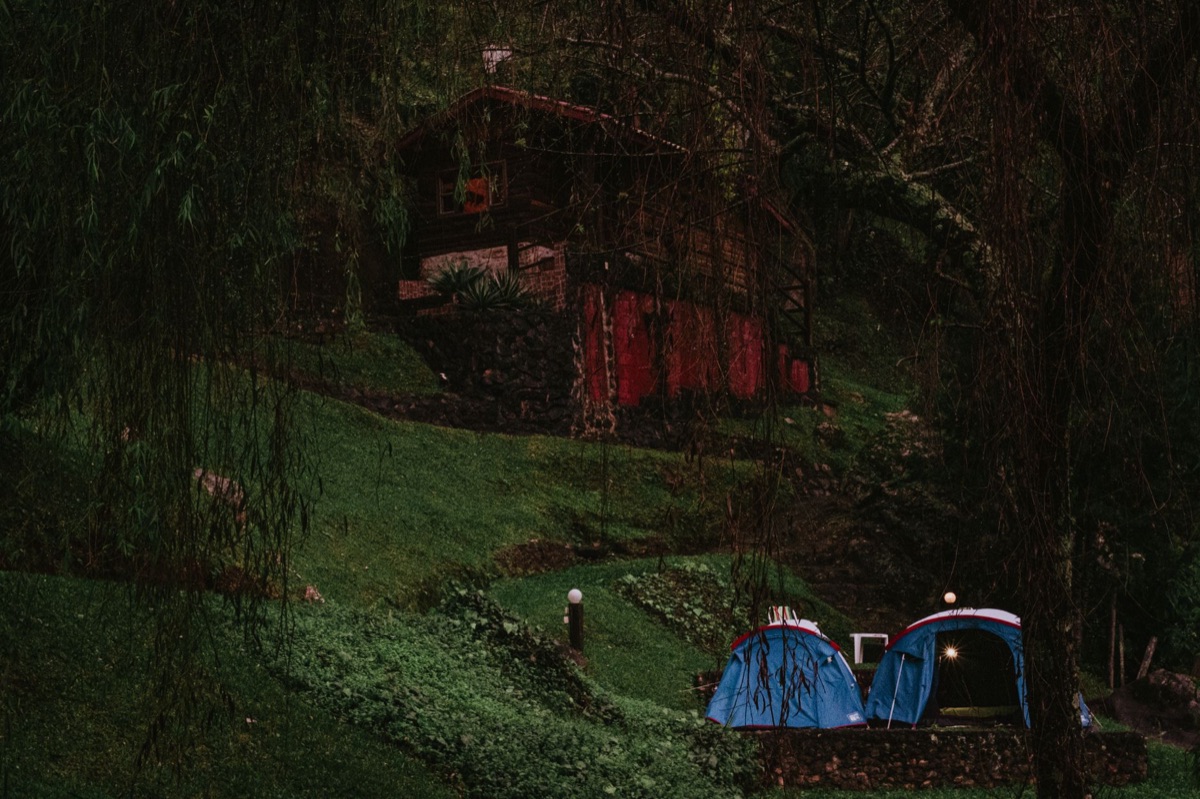
A heavy mist hangs over the rolling green hills of the Waikato, blurring the line between the sky and the earth. You stand by your campervan, the smell of damp fern and sulfur drifting on the breeze, realizing that the landscape feels fundamentally different from the jagged, icy peaks of the South.
According to World Bank data, New Zealand recorded international tourist arrivals of 996,000 in 2020.
While the South Island is famous for its dramatic alpine scenery, the North Island offers a different kind of majesty: a restless, volcanic energy that pulses beneath your feet. This is the land of geothermal activity, where the earth literally breathes through geysers and bubbling mud pools.
It is also the cultural heartland of the nation, where the history of the Māori people is woven into the very fabric of the hills and coasts. The North Island covers 113,729 km2 (43,911 sq mi), making up 43% of New Zealand's total land area.
This vast territory provides a diverse playground that shifts from coastal serenity to volcanic intensity.
Because the North Island holds a significant portion of the national identity, your camping route can serve as a journey through time, moving from modern urban centers to ancient tribal lands. The North Island is not just a transit point; it is a destination of depth.
While the South Island offers the heights, the North Island offers the soul and the heat.
But how do you actually organize these diverse landscapes into a logical journey?
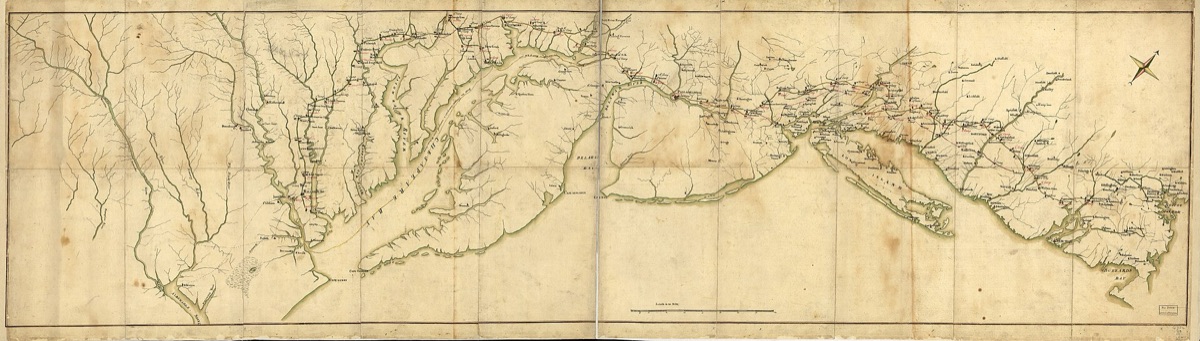
How can I craft the perfect camping route off the beaten path? You pull the heavy sliding door of the van open at dawn, the sound of a distant bird call the only thing breaking the silence of the lakeside campsite. You look at your paper map, tracing the winding roads that lead from the steaming vents of Rotorua toward the vast blue expanse of Lake Taupo.
A successful camping route requires a strategy that accounts for both movement and stillness. For a short 5-day loop, focus on a single region like the Coromandel Peninsula or the Taupo volcanic zone to avoid spending all your time behind the wheel.
For a more comprehensive 10-day journey, you can bridge the gap between the coastal beauty of Northland and the geothermal wonders of the central plateau.
When planning your stops, think in thematic clusters. Grouping Rotorua (geothermal wonders), Taupo (lake-based activities), and Waitomo (caves) allows for a logical flow that minimizes driving fatigue.
You must balance "driving days"—where the goal is to reach a new destination—with "activity days," where the campervan stays parked while you explore the immediate surroundings.
| Route Length | Focus Area | Primary Vibe |
|---|---|---|
| 5-Day Loop | Central North Island | Geothermal & Lakes |
| 10-Day Loop | Northland to Coromandel | Coastal & Cultural |
| 14-Day Loop | Full Island Traverse | Complete Diversity |
Timing is everything. High season brings crowds to the most famous sites, so consider camping in slightly more remote areas to find peace, or plan your most iconic stops for mid-week to avoid the weekend rush.
However, the most beautiful views often come with the most profound responsibilities.
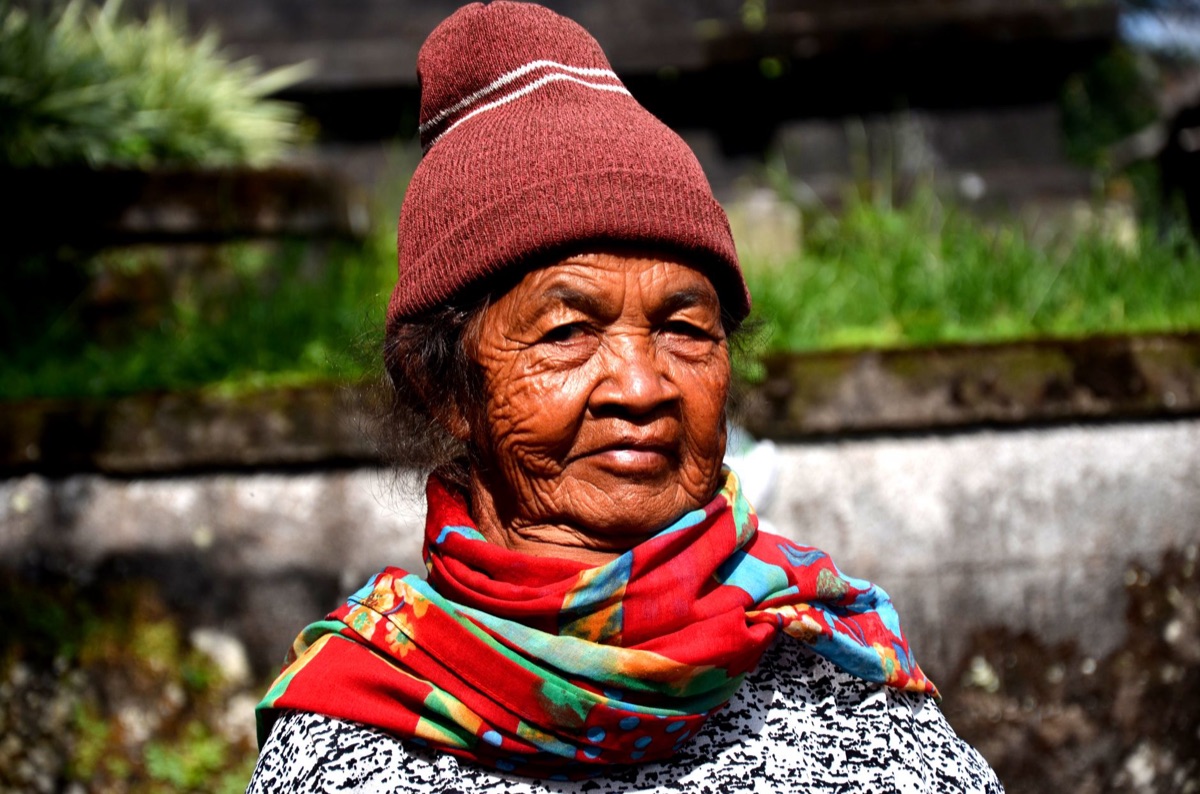
How can I weave Māori culture into my drive? The sun sets behind a carved wooden lintel at the entrance of a local community space, casting long, intricate shadows across the gravel path. You stand at the edge of the gathering, feeling the weight of history and the quiet respect required to enter this sacred space.
To truly experience the North Island, you must look through a Māori lens. This means understanding that the land is not just a resource or a backdrop, but an ancestor.
When you visit places like the Northland regions or the coastal areas of the East Coast, you are entering territories with deep ancestral ties.
Respectful engagement is the key to a successful cultural journey. When visiting a Marae (a communal and sacred meeting place), follow the local protocols strictly. This often involves being introduced through a formal process and adhering to specific etiquette regarding photography and behavior.
Engaging with local markets or participating in workshops—such as traditional carving or learning the history behind the Haka—can turn a standard holiday into a profound learning experience. It is vital to remember that many landscapes hold spiritual significance.
Names of mountains, rivers, and lakes often tell stories of gods and ancestors. Learning the history of the land you are camping on allows you to move through it with greater intention and respect.
But once you understand the spirit of the land, you must master the mechanics of moving through it.
Campervan Logistics: Your Home on Wheels in NZ
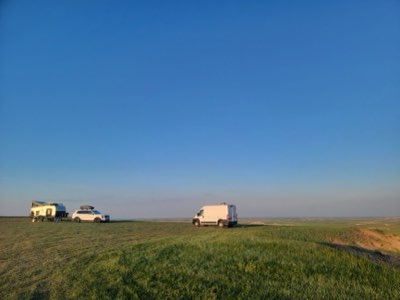
The gravel road crunches loudly under the heavy tires of the campervan as you navigate a narrow, winding track toward a remote coastal clearing. You check the side mirror, ensuring the vehicle is stable before securing the heavy camping gear inside the cabin.
Driving a campervan in New Zealand requires an adjustment to the local environment. Most vehicles are right-hand drive, and you will be driving on the left side of the road.
Be prepared for winding, often narrow roads and sudden changes in surface, such as transitioning from smooth bitumen to loose gravel.
Understanding the different types of campsites is essential for your planning:
- Department of Conservation (DOC) Sites: Often located in beautiful, remote natural areas. They offer basic facilities and are perfect for those seeking solitude, but they may lack electricity or hot showers.
- Holiday Parks: These are commercial sites that offer full amenities, including power hookups, hot showers, kitchens, and often laundry facilities. They are ideal for families or those needing a "reset" day.
- Self-Campsites: While freedom is part of the allure, always ensure you are following local council regulations regarding freedom camping to avoid heavy fines.
For the North Island environment, pack versatile gear. You may encounter sudden rain in the coastal regions or cooler temperatures in the central highlands. High-quality waterproof layers and reliable heating solutions for the van are non-essential luxury items that quickly become necessities.
It is worth noting that while the freedom of the road is enticing, these tips apply primarily to those with a solid understanding of vehicle maintenance and local laws.
If you are driving an older, less reliable van, the remote DOC sites may pose greater risks than they would for a modern, ruggedly built vehicle.
So, once the van is parked and the gear is stowed, what actually happens?
Beyond the Drive: Activities & Experiences
You sit on the edge of the van's step, watching the steam rise from a natural hot pool as the evening air turns crisp. The glow of the setting sun hits the water, and for a moment, the world feels perfectly still.
A well-designed route should include "anchor activities" that justify the travel. In the North Island, these are often tied to the unique geology of the region.
* Thermal Exploration: Walking through the bubbling mud pools and steaming vents of Rotorua. * Subterranean Wonders: Taking a guided boat tour through the glowworm-lit caves of Waitomo. * Lakeside Relaxation: Kayaking or fishing on the vast waters of Lake Taupo.
For those seeking more adventure, the North Island offers world-class activities like white-water rafting or coastal hiking. If you find yourself with extra time, consider a day trip to the Bay of Islands for maritime exploration or the Coromandel Peninsula for spectacular beaches.
A common mistake is over-scheduling. Leave room in your itinerary for the unexpected—a sudden storm that keeps you in the van for a day, or a local festival that you decide to join. The best camping trips are those that allow for the luxury of spontaneity.
When I first attempted a long-haul North Island loop in late 2025, I learned this lesson the hard way. I had planned every hour of my Tuesday, only to find that a sudden coastal fog made driving impossible for six hours.
I ended up sitting in a small cafe in Whangarei, watching the rain and realizing that the "lost" time was actually the most peaceful part of my trip.

Comments 0