Campervan or Rental? Tailoring Your NZ Trip to Your Needs
"Choose the vehicle that fits your lifestyle, not just your itinerary."
Deciding between a campervan and a standard rental car is the most consequential choice you will make before touching down in Auckland or Christchurch. This decision dictates whether your journey is about the freedom of the open road or the comfort of a fixed base.
Key Takeaways * Self-Sufficiency vs. Base Camp: A campervan is your bedroom, kitchen, and transport combined, while a rental car requires external accommodation.
* Decision Factors: Group size, trip duration, and how much time you want to spend "living" in the vehicle versus exploring destinations.
* Financial Reality: Campervans have higher upfront costs and fuel consumption but eliminate hotel fees; rental cars are cheaper to run but require nightly accommodation budgets.
* Logistical Planning: Campervans require managing water and waste, whereas rental cars offer greater ease of movement through winding NZ roads.
Why Choose a Campervan? (The Ultimate Immersion)
As the sun crests the mountain peaks at dawn, the driver pulls back a heavy curtain to inhale the scent of pine and face the vast, turquoise lake.
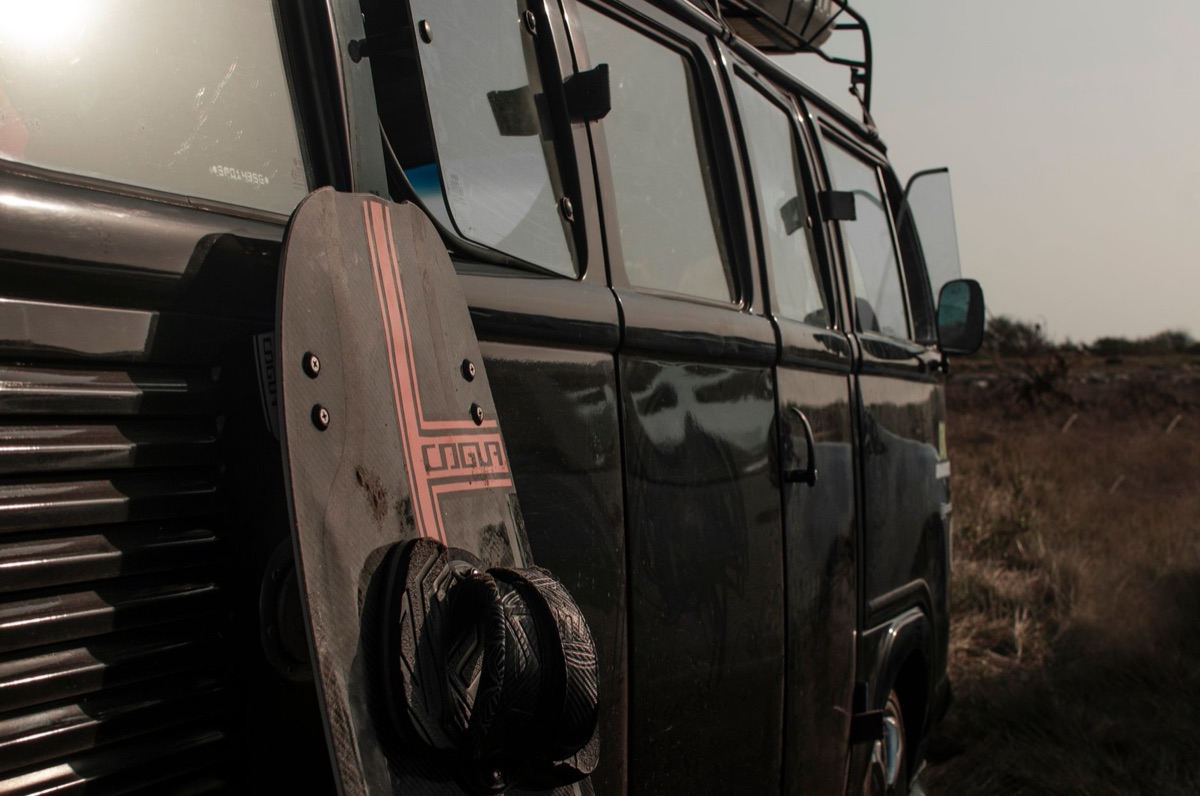
The sun began to peek over the Southern Alps, hitting the windshield of a parked Toyota Hiace parked near Lake Tekapo. Inside, the smell of fresh coffee filled the small cabin as the driver unzipped the side door to reveal a turquoise lake.
A campervan is more than a vehicle; it is a mobile sanctuary that allows for total immersion in the New Zealand landscape. When you opt for a self-contained unit, you are essentially carrying your entire lifestyle with you, which provides a level of freedom that a hotel simply cannot match.
For those traveling through remote areas like the West Coast or the rugged stretches of Fiordland, the ability to sleep near your destination is invaluable. You aren't just visiting a place; you are living within it.
You can wake up exactly where the view is best, provided you follow local freedom camping regulations.
However, this freedom comes with responsibilities. You must manage your own water supplies, empty waste tanks at designated dump stations, and ensure your battery levels are sufficient for lighting and refrigeration.
This is not a choice for those who want to be pampered; it is a choice for those who want to be part of the scenery.
Because you are managing your own sleeping, cooking, and sanitation, the "booking" process is different. You aren't just booking a ride; you are booking your entire living environment.
This means you must carefully consider the layout of the vehicle—ensure there is enough room to stand up or that the bed setup is comfortable for the duration of your trip.
When will a standard rental car be enough? A group of four friends sat around a heavy wooden table in a cozy Queenstown lodge, laughing over local Pinot Noir while the rain tapped against the window. They had spent the day hiking and had no intention of sleeping anywhere but a real bed.
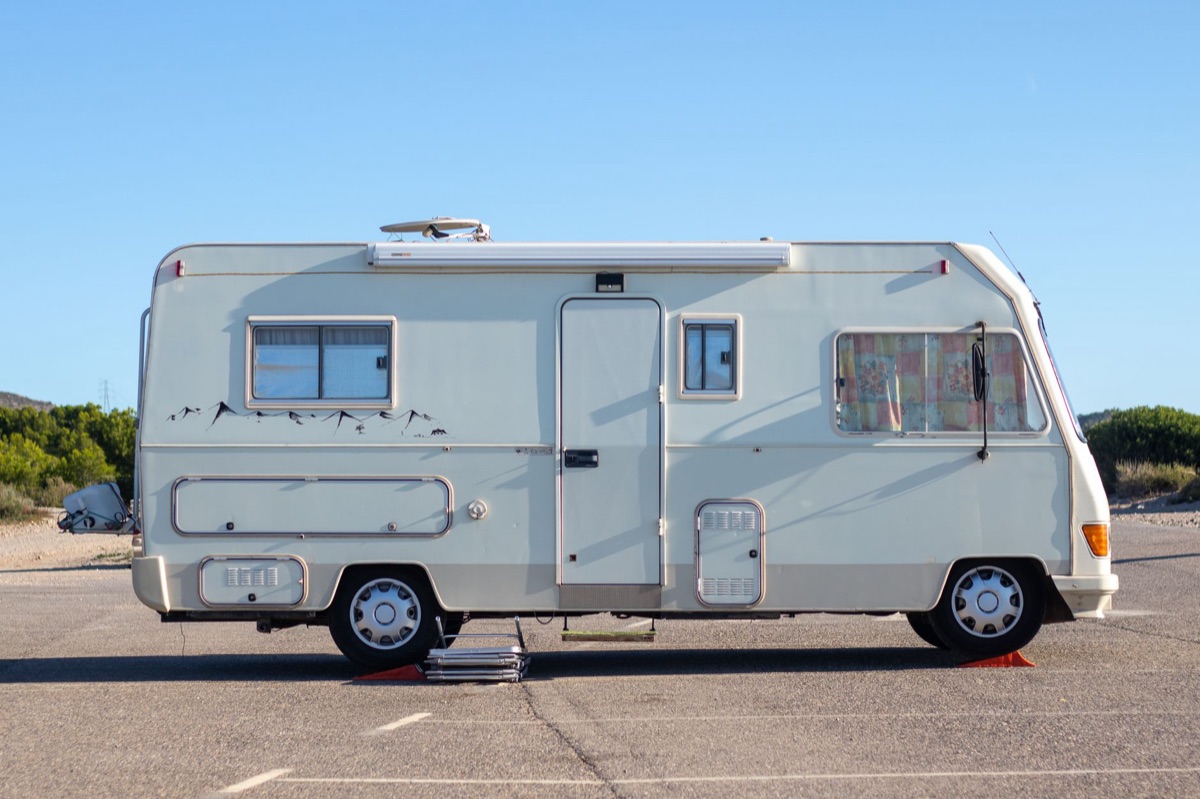
A standard rental car paired with fixed accommodations is often the superior choice for specific types of travelers. If your itinerary is centered around luxury lodges, boutique hotels, or stays in urban centers like Auckland or Wellington, a campervan becomes an unnecessary burden.
For short trips—such as a 3-to-5-day jaunt through the North Island—a rental car is significantly more practical. Large campervans can be cumbersome on narrow, winding roads or when navigating tight city streets.
A car allows you to move quickly and easily between activities, using hotels as a stable base camp.
This setup is also highly cost-effective for groups that prefer dedicated amenities. If you plan to spend your nights in well-appointed motels or Airbnbs, the extra cost of a campervan’s specialized equipment and higher fuel consumption offers no tangible value.
It is often easier to park a car at a hotel than to find a suitable, legal spot for a large van.
Logistically, the simplicity of a car is hard to beat. You don't have to worry about greywater disposal or finding a power outlet to charge your electronics. You simply drive, park, and enjoy the local hospitality.
This is the ideal choice for those who want to explore the outdoors during the day but crave a traditional, comfortable sleep at night.
Is the cost actually worth the value? A traveler sat at a laptop in a bright cafe, staring at two different spreadsheets. One showed the daily rate for a luxury SUV, while the other listed the total cost of a campervan including campsite fees and fuel.
According to World Bank data, New Zealand recorded international tourist arrivals of 996,000 in 2020. This is significant when considering that the OECD average for healthcare allocation is 8.8 percent.
Understanding the true cost of your trip requires looking past the initial rental price. A common mistake is comparing only the daily rental fee of a car against the daily rental fee of a campervan. This ignores the massive variable costs that fluctuate throughout the journey.
| Expense Category | Campervan Trip | Rental Car + Accommodation |
|---|---|---|
| Base Rental Fee | High (includes bed/kitchen) | Low |
| Fuel Consumption | High (heavy, aerodynamic drag) | Low to Moderate |
| Lodging Costs | Low (campsite fees only) | High (hotel/motel rates) |
| Food Costs | Low (self-catering) | Moderate to High (dining out) |
| Insurance/Admin | Complex (specialized coverage) | Standard |
For a campervan, the primary savings come from eliminating hotel stays. However, you must factor in fuel, which is significantly higher due to the weight and wind resistance of larger vehicles.
You also need to budget for campsite fees, which can vary wildly between a basic powered site and a luxury holiday park.
For a rental car, the "hidden" cost is the nightly accommodation. In peak seasons in places like Queenstown or Milford Sound, hotel prices can skyrocket.
Additionally, while the car is cheaper to fuel, you will likely spend more on food if you are relying on restaurants rather than cooking your own meals.
Insurance is another critical area of divergence. Campervan insurance often covers the specialized equipment inside the vehicle, but you must ensure your coverage accounts for the unique risks of mobile living.
Always check if the insurance covers "off-road" use if you plan to take the vehicle on unsealed gravel tracks.

Operational Differences: Driving & Logistics in NZ (The Practicalities)
The driver gripped the steering wheel tightly as the van navigated a sharp, gravel-covered bend on a mountain pass. The passenger watched the side mirror, mindful of the wide turning radius of their large vehicle.
Driving in New Zealand requires constant attention, and your vehicle choice will change how you interact with the road. Remember that New Zealanders drive on the left side of the road, and the steering wheel will be on the right.
This is a fundamental shift for American drivers that affects everything from tolling to merging.
Campervans are much larger and heavier than standard cars. This means longer braking distances, slower acceleration, and a much larger turning radius. When driving through the winding, often narrow roads of the South Island, a large van can feel intimidating.
You must be mindful of height clearances on bridges and the width of tracks when passing other vehicles.
On the other hand, a rental car offers much greater maneuverability. It is easier to navigate through small towns, park in tight urban spaces, and handle steep, winding mountain passes. However, if you choose a small car, you may find it lacks the comfort needed for long-haul driving days.
Logistical planning also differs. A campervan itinerary is often dictated by the availability of campsites and dump stations. You cannot simply pull over anywhere to sleep; you must follow local council rules and freedom camping laws.
A car-based itinerary is much more flexible, as you are not tethered to the specific infrastructure required for a mobile home.
Making the Final Decision: Matching Vehicle to Trip Profile
A young solo traveler looked at a map of the South Island, tracing a finger from Christchurch to Queenstown. They had to decide: the freedom of the van or the ease of the car.
To make the final decision, you must match your vehicle choice to your specific travel profile. There is no single "right" answer, only the answer that fits your personal priorities for this specific journey.
- The Adventurer (Solo or Couple): If you are traveling alone or as a couple and your goal is deep immersion in nature, the Campervan is the winner. The ability to wake up in the middle of nowhere is a once-in-a-lifetime experience. 2. The Group Explorer (4+ People): If you are traveling in a larger group with a fixed budget, a Rental Car + Accommodation is often more practical. Managing a large group inside a cramped van can lead to friction, whereas staying in holiday parks or large holiday homes provides more breathing room. 3. The Activity-Focused Traveler: If your trip is centered around high-intensity activities like skydiving, bungee jumping, or intensive hiking, a Rental Car is better. You will likely be staying in fixed locations near these activities, and the ease of transport will allow you to focus on the adventure rather than vehicle maintenance.
Quick Comparison Summary
* Choose a Campervan if: You want to wake up to mountain views, enjoy self-catering, and value the freedom of the road over luxury. * Choose a Rental Car if: You prefer hotel comfort, are traveling on a shorter timeline, or want to avoid the logistical work of managing a mobile home.
#





Comments 0