Locations guide 65 mm epic New Zealand scenery
"The landscapes of New Zealand serve as more than mere backgrounds; they are the living breathing characters within the epic tales of Peter Jackson."
This guide is for film enthusiasts seeking to walk through the same valleys and mountains featured in legendary trilogies and creature features.
You will learn about the technical choices that defined these visuals, the history of early production struggles, and how to navigate these sites, though travelers should note that certain high-end technical processes like 65 mm filming were historically restricted by local costs.
* Discover the origins of Jackson's early independent filmmaking. * Understand the technical shift to Super 35 mm film. * Trace the impact of the trilogy on global digital trends. * Explore the connection between local landscapes and epic storytelling.
Where can I find Peter Jackson filming locations?
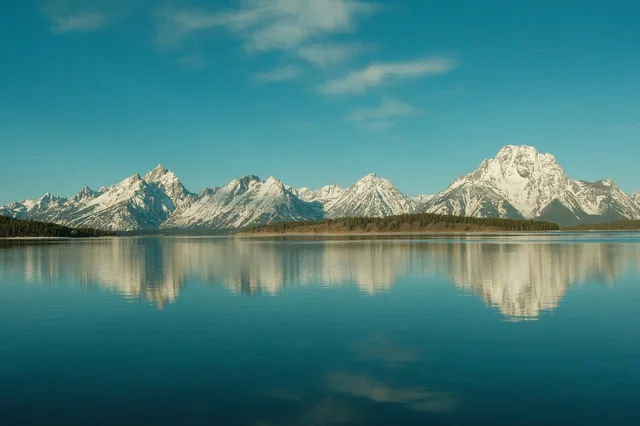
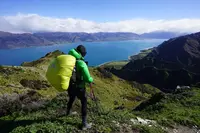
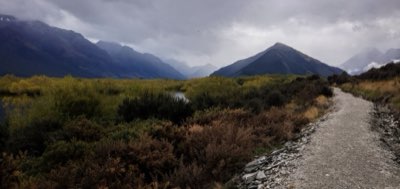
Standing on a windswept ridge in the Southern Alps, you can almost feel the weight of a fantasy world settling over the peaks. Many fans seek out Lord of the Rings spots to experience the scale of the Middle-earth scenery firsthand.
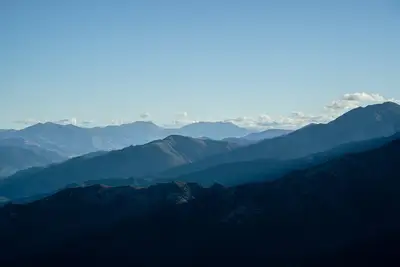
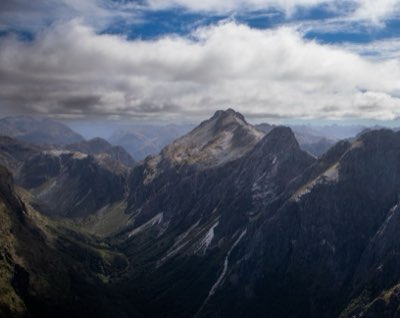
The geography of New Zealand provides the perfect canvas for high-fantasy epic backdrops. While many travelers visit for the scenery, the specific sites used in Jackson's work remain the primary draw for dedicated fans. These areas capture the essence of the films through their natural grandeur.
- Research the specific landscapes used in the trilogy. 2. Map out the driving routes between the various New Zealand sites. 3. Book a local guided tour to access remote areas.
How did the films achieve such epic movie scenery?
A cinematographer adjusts a lens under the bright midday sun, capturing the sharp textures of a mountain range. To create these visuals, Jackson and cinematographer Andrew Lesnie considered using large formats like 65 mm film or mastering in 4K.
However, these options were cost-prohibitive and could not be performed on New Zealand soil.
Instead, the production team opted for a different technical path to maintain quality. They decided to shoot on fine-grain Super 35 mm film and subject the films to rigorous digital grading. This combination allowed for a massive scale without the prohibitive costs of larger formats.
In this sequence, the second step is the longest.
What are the best places for film fans to visit?
Walking through a quiet forest clearing, a visitor might realize they are standing where a massive creature once stomped. Finding King Kong movie sites or other legendary sets requires a bit of planning and a love for the outdoors.
Most enthusiasts focus on the central and southern regions of the country.
To make the most of a trip, consider these steps: 1. Research specific regional landmarks associated with the trilogy. 2. Check local weather conditions, as mountain terrain changes rapidly. 3. Arrange transport that can handle rugged, rural roads.
I remember looking at a map of the South Island and realizing how much of the cinematic landscape is actually accessible by standard hiking trails. A final check of your gear and local trail maps is essential before heading into the wilderness.
How did early production struggles shape the industry?
A young filmmaker sits in a dimly lit room, meticulously working with a small, handheld device. Before the massive success of the epics, Jackson's career involved significant financial hurdles.
After two years of work, Jackson bought a 16 mm camera and began shooting a film that later became *Bad Taste*.
The journey was not always smooth for the burgeoning industry. The film was finally completed thanks to a late injection of finance from the New Zealand Film Commission after Jim Booth became convinced of Jackson's talent.
This period was marked by tension between Jackson and the Commission because *Meet the Feebles* had gone over-budget earlier in his career.
What impact did the films have on global audiences?
A digital cursor clicks a download button as millions of people across the globe watch a new trailer. The scale of the films' impact was evident very early in the digital age.
The trilogy's online promotional trailer was first released on 27 April 2000 and set a record with 1.7 million hits in the first 24 hours.
The cinematic quality was also recognized by international critics and festivals. In 2001, 24 minutes of footage, primarily the Moria sequence, was shown at the 54th Cannes Film Festival and was very well received.
The series has since appeared in various prestigious lists, including Time's All-Time 100 Movies.
How does the local film community continue to grow?
A group of aspiring directors gathers in a studio to participate in a high-pressure weekend competition. The legacy of these films lives on through local talent and organized events.

Jackson contributes his expertise to 48HOURS, a New Zealand film-making competition, by annually selecting three "Wildcards" for the National Final.
| Feature | Detail |
|---|---|
| Early Camera | 16 mm |
| Primary Film Stock | Super 35 mm |
The technical evolution from 16 mm to Super 35 mm shows the progression of the local industry. While these methods changed, the reliance on the natural environment remained constant.
- Exploring Peter Jackson filming locations offers a journey through the rugged terrain that transformed New Zealand into a cinematic powerhouse.
- These sites offer a tangible connection to the cinematic history of the nation.
Related
- Radio style camping route guide: 400 km for scenic travel
- Great Walk trekking guide: How to best select route
What challenges did the transition to digital grading present?
- The production team utilized fine-grain Super 35 mm film as the base medium. 2. The resulting footage then underwent rigorous digital grading to achieve the desired massive scale. 3. This combination allowed the filmmakers to bypass the prohibitive costs associated with larger film formats.
The landscapes of New Zealand provided a dramatic setting, but the technical decisions regarding post-production were crucial for the final look of the epic tales. The comparison between the initial film stock and the final digital presentation highlights the industry's evolving methods.
How do the local landscapes influence the narrative choices?
The geography of New Zealand serves as a fundamental element in the epic storytelling. The natural grandeur of the landscapes captures the essence of the films, making the setting a character itself.
Dedicated fans seek out these specific areas because they offer a tangible connection to the cinematic history of the nation.
The choice of location directly impacts the audience's perception of the fantasy world, reinforcing the scale established by the cinematography. Travelers should note that the rugged terrain necessitates careful planning for any visit to these iconic landscapes.
The evolution of the local film community shows how the reliance on the natural environment remains constant, even as the technical methods change. The initial struggles of early filmmakers are reflected in the commitment to these unique Zealand settings.
Wikipedia: Peter Jackson Based on the retained excerpt mentioning American Academy of Achievement: In 2006, Jackson received the Golden Plate Award of the American Academy of Achievement.


Comments 0