3500kg: NZ vehicle registration guide for heavy trailers
"The law ensures every vehicle on the road is accounted for through specific identification."
This guide covers the different categories of plates, including those for motorcycles and trailers, while noting the specific weight and type requirements.
* Specific categories exist for motorcycles, mopeds, and both standard and heavy trailers. * Regulatory compliance involves matching the correct plate to the vehicle type.
What are the available plate types for different vehicles?
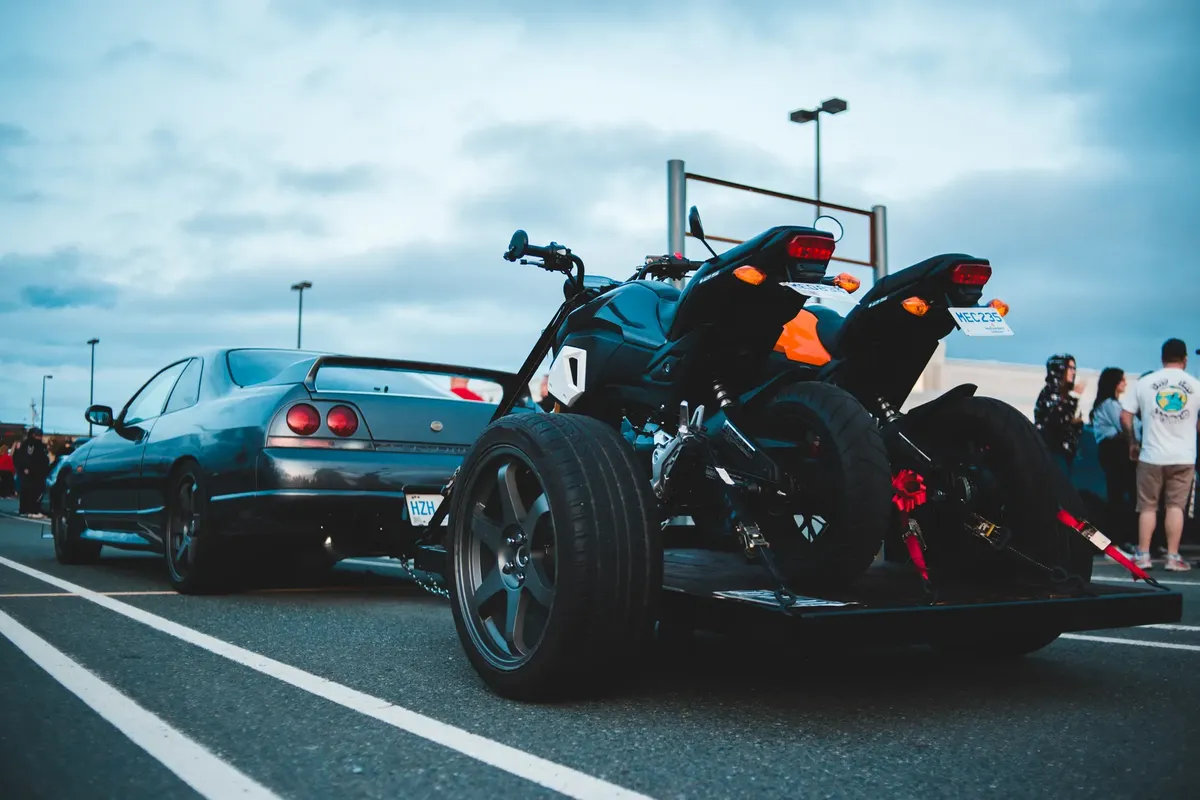
At dusk in the garage, a mechanic runs a thumb over the metal of a new plate intended for a heavy vehicle.
These plates are available for vehicles under and over 3500kg, standard and heavy trailers and motorcycles and mopeds.
The variety of options ensures that every type of transport, from a small moped to a heavy-duty trailer, can be properly identified. Choosing the correct plate type is the first step in maintaining a legal vehicle profile.
Vehicle owners can choose between standard, personalized, or vintage plates depending on their vehicle's classification.
How do motorcycle plate rules NZ apply to smaller vehicles?
In the bright morning sun, a rider carefully tightens a bolt on a small motorcycle vehicle.
A mechanic carefully cleans the mounting bracket on a small scooter. Using the correct motorcycle plate rules NZ helps ensure that two-wheeled vehicles remain compliant with local standards.
The registration system accommodates a wide range of motorized transport. This includes motorcycles and mopeds, which require specific identification distinct from larger passenger cars. Ensuring the plate is properly fitted to the frame is essential for visibility.
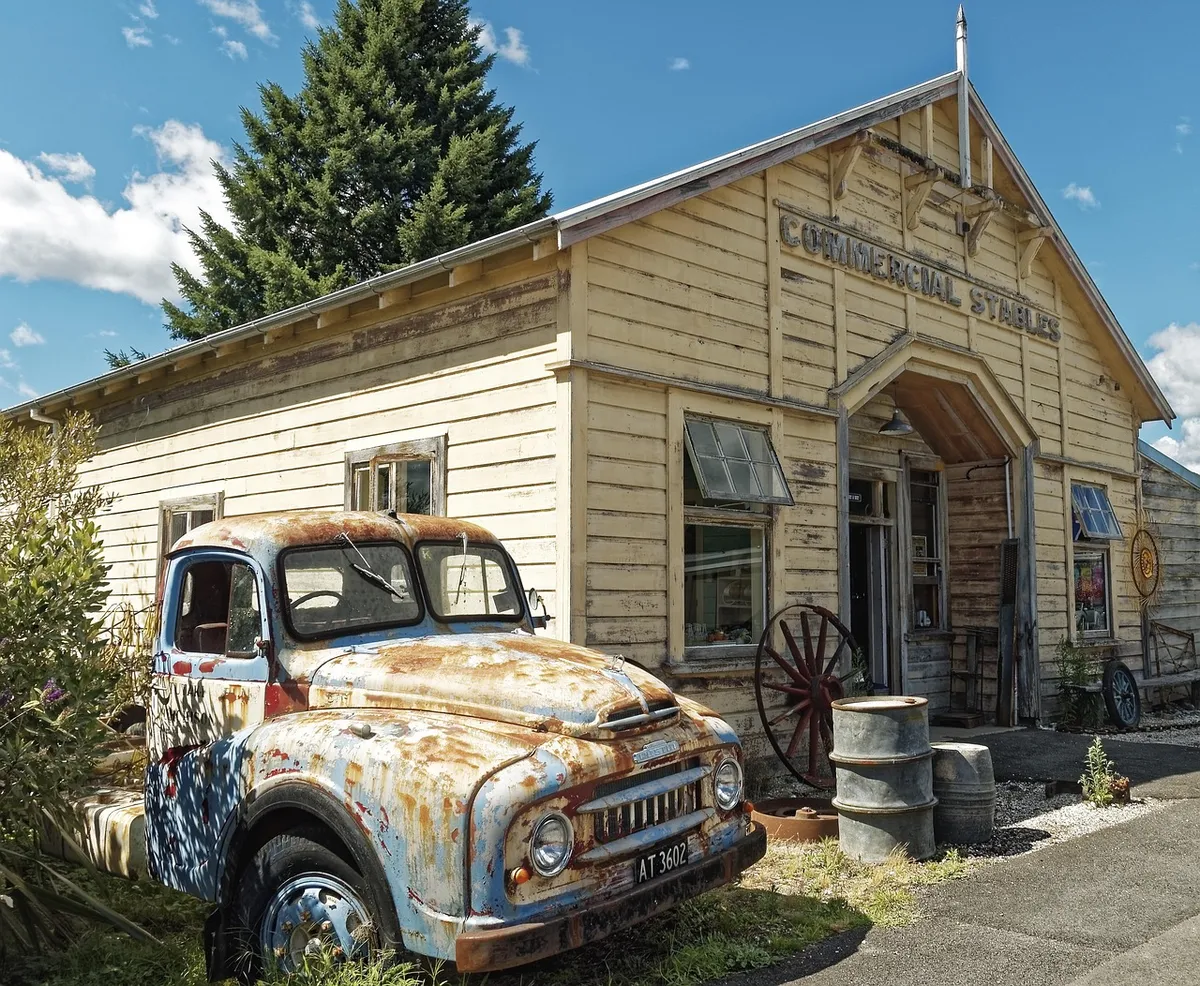
Smaller vehicles must adhere to specific size and mounting regulations to ensure visibility and compliance.
According to World Bank, the 2024 record includes 93.5%.
What are the requirements for trailer plate fitting NZ?
A driver hooks a heavy trailer to a truck and checks the rear plate. For those managing towing equipment, trailer plate fitting NZ requires selecting the appropriate size for the load.
Plates are available for standard and heavy trailers to accommodate different towing needs. This distinction ensures that the unique dimensions and requirements of a trailer are met during transit. Proper mounting prevents the plate from falling during heavy use.
- Verify the trailer's mounting surface is secure. 2. Attach the plate using appropriate fasteners. 3. Ensure the plate is clearly visible and unobstructed.
How does bike registration New Zealand work for different classes?
A cyclist inspects the license plate on a new commuter bike. The bike registration New Zealand process involves selecting the specific plate designed for the vehicle's weight and category.
Because the system covers vehicles under and over 3500kg, the registration process remains organized. This allows for clear differentiation between light motorcycles and heavier transport. Each vehicle type has a designated space within the registration framework.
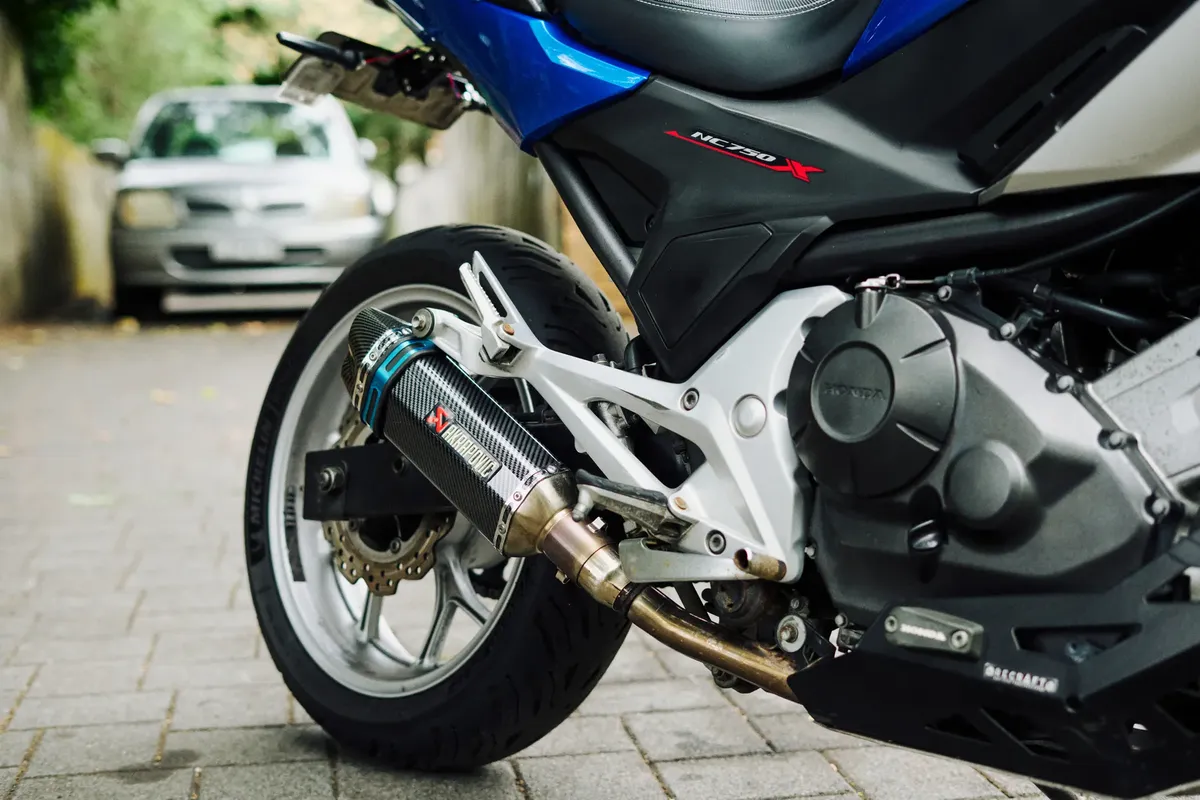
In this sequence, the second step is the most extensive.
What are the special vehicle plates NZ considerations?
An owner looks at the unique characters on a custom-ordered plate. When looking into special vehicle plates NZ, one must understand the categories available for various transport needs.
The system provides plates for motorcycles, mopeds, and various trailer types. This ensures that even non-standard vehicles can be properly registered. Having the right plate for the specific weight class is vital for road legality.
I once had to compare the mounting points on a heavy trailer to a standard motorcycle plate to ensure the fit was correct.
- Identify the vehicle category, such as a motorcycle or a heavy trailer. 2. Select the plate type that matches the vehicle's weight class or specific use. 3. Securely attach the plate to the vehicle according to the manufacturer's mounting points. 4. Perform a final check to ensure the plate is clearly visible and stable.
Specialized plates for custom or vintage vehicles require specific documentation to meet local standards.

Wikipedia: New Zealand Based on the retained excerpt mentioning OECD: New Zealand ranks highly for civic participation in the political process, with 82% voter turnout during recent general elections, compared to an OECD average of 69%.
- The NZ vehicle registration guide requires adhering to specific plate availability for various vehicle classes to ensure legal compliance.
- Key takeaways:
- * Plates are designed for various weights, including those over and under 3500kg.
- A rider reaches for a new set of plates to secure a motorcycle.
NZ vehicle registration guide
The subject here is NZ vehicle registration guide.
This part also covers trailer hitching rules NZ.
Related
How should one select the correct plate for a vehicle?
Selecting the right plate involves comparing the vehicle's weight and category against the available plate types. One must first identify if the vehicle is a motorcycle, moped, or trailer, and then determine if it falls into the under 3500kg or over 3500kg weight class.
- Determine the vehicle category, such as a motorcycle or a trailer. 2. Compare the vehicle weight to the 3500kg threshold to select the appropriate plate size. 3. Match the plate type to the specific vehicle class, such as distinguishing between a moped and a heavy trailer. 4. Verify that the chosen plate meets the regulatory requirements for that specific vehicle type.
If a user compares a motorcycle plate to a heavy trailer plate, they will notice the different size requirements. This comparison ensures that the plate fits the specific dimensions of the vehicle. Using a plate designed for a different weight class can lead to issues with mounting or visibility.
Always ensure the plate matches the specific category, whether it is for a moped or a trailer over 3500kg.
Match the plate type to your vehicle's registration class and aesthetic preferences.






Comments 0