5 North Island Camping Routes: Embrace NZ's Geothermal Soul
"The land breathes, the steam rises, and the stories of the ancestors live in the very soil beneath your tires."
If you are looking for the soul of Aotearoa, the North Island is where the pulse is strongest. While the South Island offers jagged peaks and glaciers, the North Island provides a living, breathing connection to geothermal wonders and the deep roots of Māori culture.
* The North Island offers unparalleled access to Māori culture and geothermal wonders. * These 5 routes cater to varying durations, from weekend escapes to deep dives. * Planning requires understanding NZ's unique driving conditions and seasonal shifts. * Ideal for campervan road trips seeking authentic Kiwi experiences.
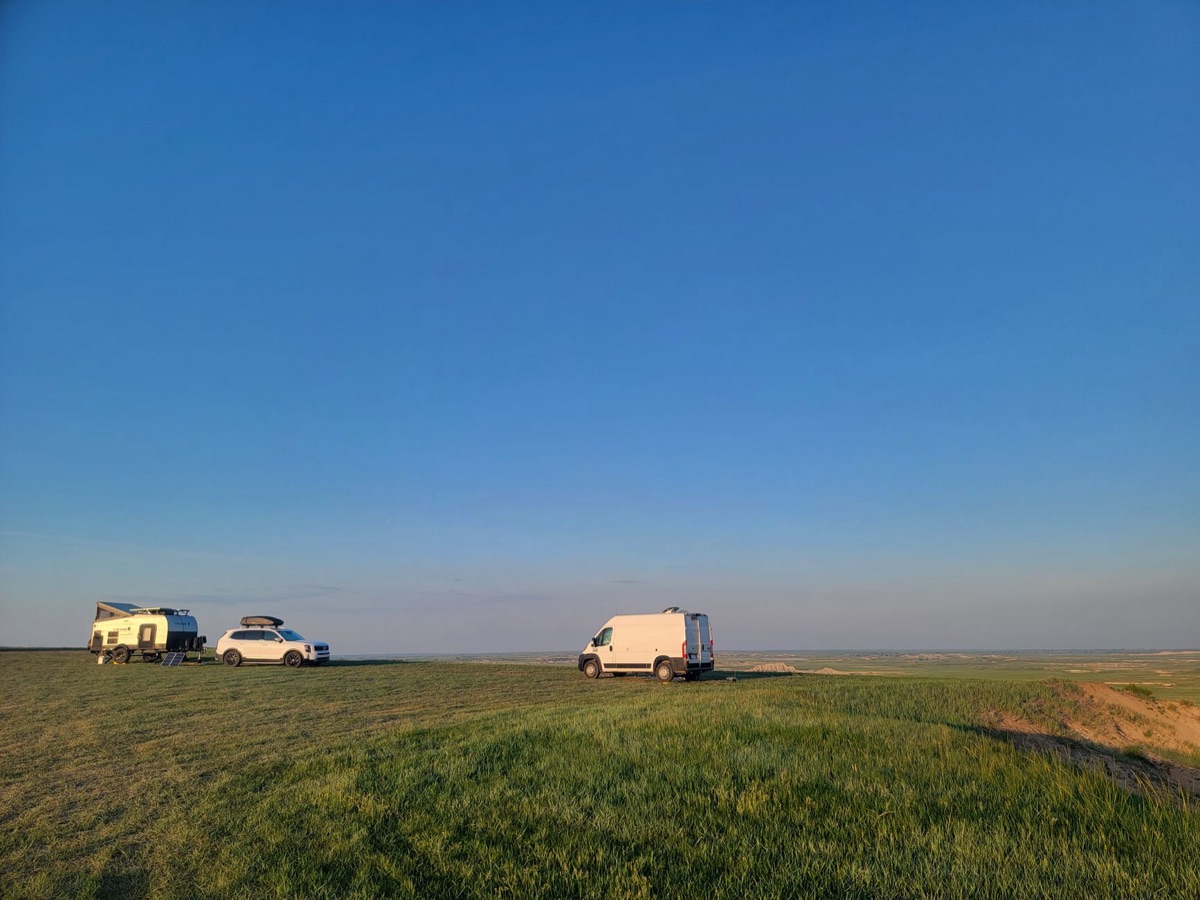
🧭 Why Choose the North Island for Camping?
I remember standing on the edge of a bubbling mud pool in Rotorua at 6:00 AM, the sulfurous scent heavy in the cool morning air as the steam blurred the horizon. It wasn't just a landscape; it felt like the earth was waking up right beneath my boots.
According to the World Bank, New Zealand recorded international tourist arrivals of 996,000 in 2020.
The North Island makes up 43% of New Zealand's total land area, housing 76% of the country's population as of June 2025. This density doesn't mean it's crowded; rather, it means the cultural heartbeat is much more accessible than in the rugged South.
While the South is about the scale of mountains, the North is about the intensity of the earth and the people.
In regions like Kawerau, where Māori form 63.2% of the population, and in Ōpōtiki (66.2%) or Wairoa (68.5%), the connection to the land is not a tourist attraction—it is a way of life. Camping here allows you to witness the intersection of volcanic geology and ancestral heritage.
You aren't just driving through scenery; you are moving through a living history where the geothermal heat that powers the cities also shapes the spiritual identity of the people.
The transition from the massive urban centers to the quiet, steam-filled valleys happens in a heartbeat, making it the perfect playground for a campervan.
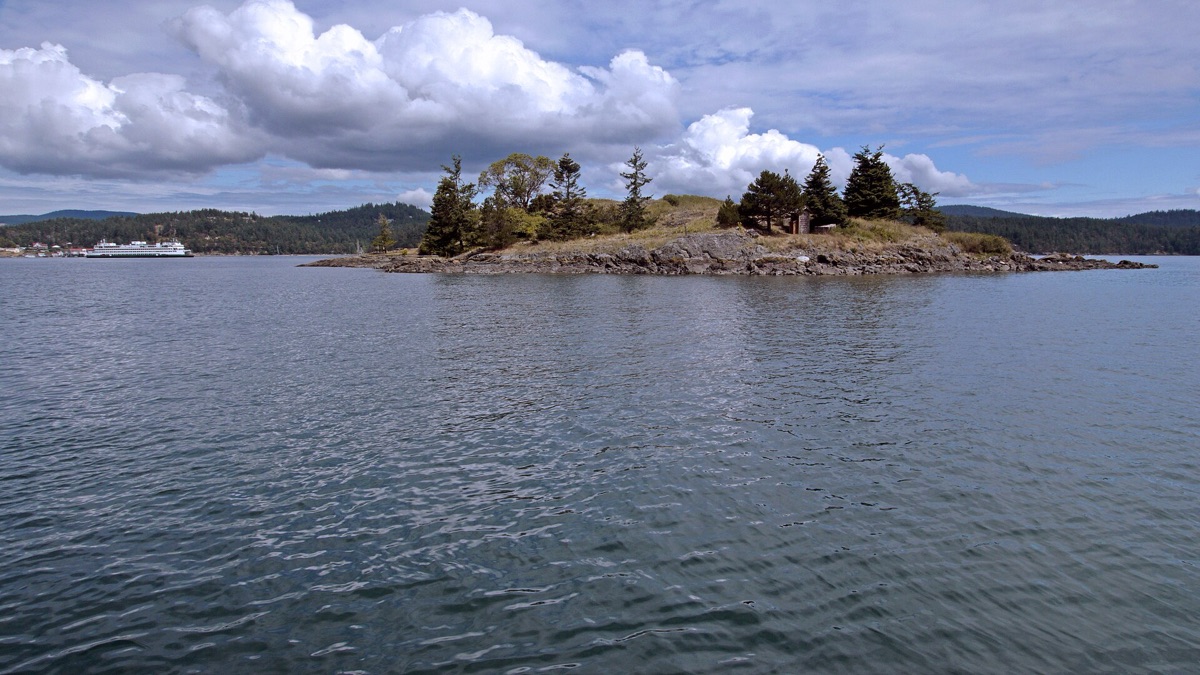
Which North Island camping routes are right for me? I pulled my van into a quiet clearing near Waitomo, watching the mist roll over the limestone cliffs, wondering how much more of this magic I could fit into one trip.
Depending on whether you want to chase legends or soak in hot springs, your route will change entirely. Here are five distinct ways to navigate the North Island.
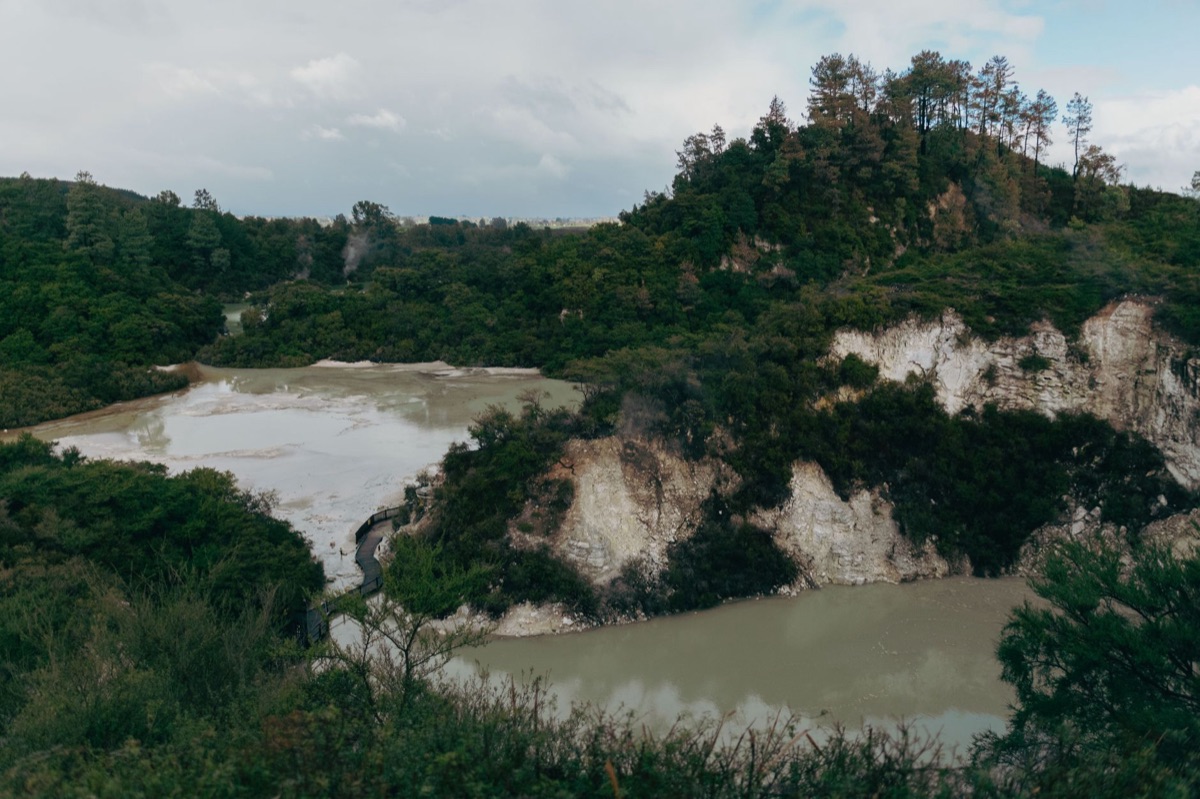
Route 1: The Volcanic Heartbeat This route focuses on the geothermal intensity of the Taupō Volcanic Zone. Start in Auckland and head toward Rotorua, moving through the landscapes shaped by massive eruptions. * Activities: Soak in the natural hot springs of Rotorua, walk through the Wai-O-Tapu thermal wonderland, and explore the massive caldera of Lake Taupō. * Best For: Travelers who want warmth and dramatic geological displays.
Route 2: Gateway to Legends For those who grew up on epic fantasy, this route takes you through the rolling green hills of the Waikato. * Activities: Visit the Hobbiton Movie Set in Matamata and explore the mystical caves of Waitomo. * Estimated Drive Time: Auckland to Matamata is roughly 2 to 2.5 hours, making this an easy transition from the city to the countryside.
Route 3: Coastal Discovery Avoid the inland heat by heading toward the rugged coastlines of the Coromandel Peninsula or Northland. * Activities: Find secluded beaches for camping (check local council rules first!) and explore the famous Cathedral Cove. * Camping Style: This route favors seaside holiday parks or well-managed DOC (Department of Conservation) campsites near the coast.
Route 4: Cultural Deep Dive This is a slower-paced journey designed to maximize engagement with Māori history and local communities. * Activities: Engage in a traditional Haka performance, visit local Marae (meeting grounds), and learn about traditional carving and weaving in the Bay of Plenty. * Best For: Travelers looking for connection rather than just sightseeing.
Route 5: The Quick Fix If you only have a few days, focus on the Auckland to Coromandel loop. * Activities: A quick escape from the city to hit the coast and return refreshed. * Time Commitment: 3 to 4 days is sufficient to see the highlights without feeling rushed.
| Route Type | Primary Focus | Best Vehicle Type |
|---|---|---|
| Volcanic Heartbeat | Geothermal Wonders | Mid-sized Campervan |
| Gateway to Legends | Film Locations | Standard SUV/Van |
| Coastal Discovery | Beaches & Ocean | 4WD Capable Van |
| Cultural Deep Dive | Māori Heritage | Large Campervan |
| The Quick Fix | Weekend Escape | Compact Campervan |
But choosing a route is only the beginning of the logistical puzzle.
How do I plan the perfect camping trip? I sat in the driver's seat in Auckland, staring at the steering wheel on the right side, realizing my muscle memory from home was going to be my biggest challenge on the first day.
Planning a North Island trip requires more than just picking a destination; it requires logistical readiness.
- Vehicle Prep (The Right-Hand Rule): In New Zealand, you drive on the left. If you are renting a vehicle, ensure you are comfortable with right-hand drive. Pay extra attention at roundabouts and when pulling out of side streets.
- Booking Ahead: During the peak summer months (December–February), holiday parks can fill up fast. Use platforms like Doc.govt.nz for wilderness sites or book established holiday parks in advance.
- Pacing Yourself: Do not underestimate the winding roads. A 200km drive can take much longer than expected due to topography. Aim for no more than 3–4 hours of driving per day to allow for exploration.
- Weather Contingency: The North Island weather is notoriously fickle. A sunny morning in Taupō can turn into a misty, rainy afternoon. Always have waterproof gear and extra warmth in your van.
However, there is a limit to the freedom of the road. While the North Island offers vast landscapes, certain areas have strict freedom camping bans that can lead to heavy fines if you aren't careful.
🗿 Beyond the Campsite: Enhancing Your Journey
I remember sitting at a local night market in Rotorua, eating steaming hot food while listening to the distant sound of a drum, feeling less like a tourist and more like a guest.
To truly experience the North Island, you must move beyond the "drive-by" sightseeing.
Integrating local experiences is key. Instead of just looking at a volcano, take a guided tour that explains the geological significance. Instead of just driving past a village, attend a cultural evening to understand the importance of the land to the local iwi (tribes).
Many of these routes, especially the "Gateway to Legends," connect directly to the cinematic history of the region. While the South Island has the mountains of Middle-earth, the North Island has the lush, rolling greenery that captures the essence of the Shire.
Transitioning from "sightseeing" to "living the experience" means slowing down enough to let the landscape settle into your bones.
But how do you actually prepare for the physical reality of the road?


Comments 0