NZ Campervan Rental: Corporate vs Personal Costs Explained
"The difference between a budget-friendly vacation and a financial headache often lies in which side of the rental contract you sign."
Choosing between a corporate-style rental and a personal leisure rental in New Zealand isn't just about the daily rate; it is about how much risk you are willing to carry on your credit card.
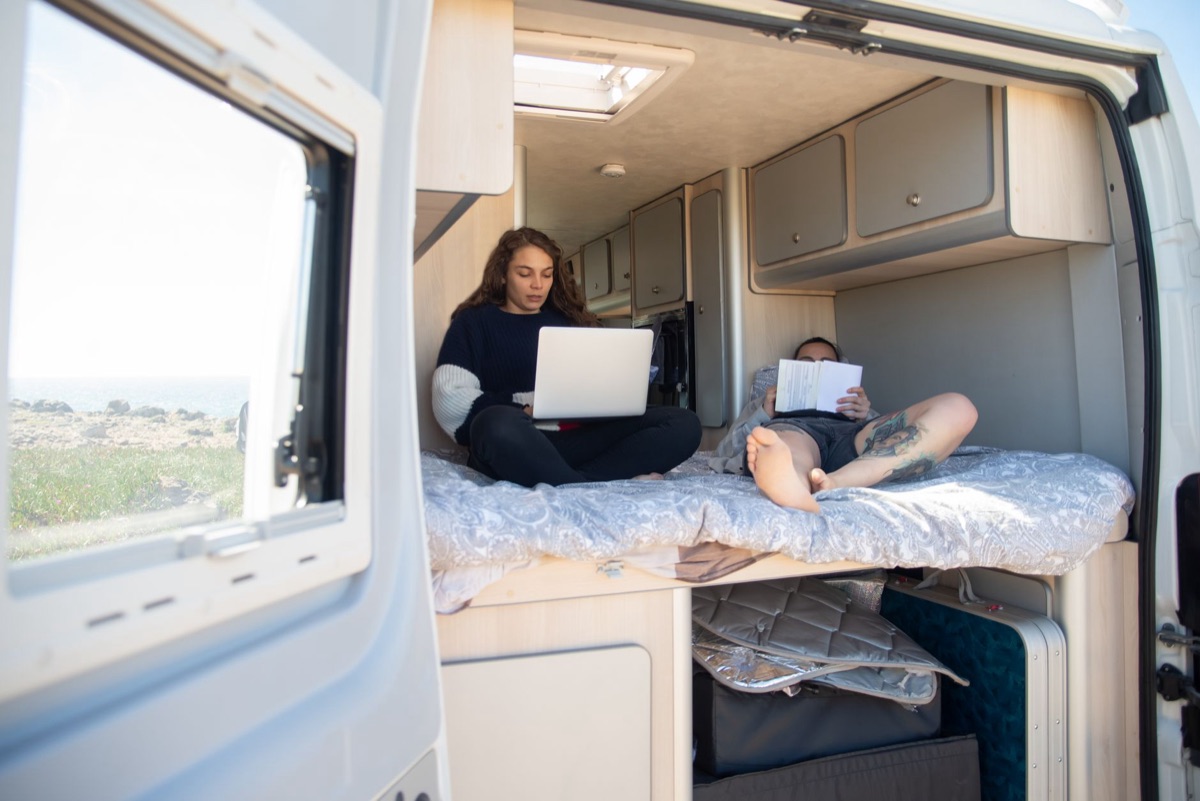
Whether you are a digital nomad working from a van or a family chasing the Southern Alps, understanding these nuances prevents expensive surprises at the rental desk.
Key Takeaways
* Insurance and Liability: Business-style contracts often feature higher base rates but include more comprehensive coverage, whereas personal rentals might offer lower daily rates with much higher out-of-pocket excesses. * Flexibility vs. Rigidity: Personal rentals generally allow for more spontaneous itinerary changes, while corporate-style agreements often come with stricter cancellation policies and fixed routes. * Tax and Documentation: Corporate rentals are streamlined for GST/VAT invoicing, while personal travelers must manage all receipts manually for potential tax claims back home. * Duration and Scale: Long-term rental packages are often structured differently depending on whether the vehicle is being used as a mobile office or a recreational camper.
Why Does the Rental Price Tag Differ?
I remember standing in a rental depot in Christchurch on a Tuesday morning in 2025, looking at two identical white vans, one labeled "Corporate Fleet" and the other "Leisure Rental." The price difference was immediate, and the paperwork felt heavy in my hands.
According to the World Bank, New Zealand recorded GDP growth of 0.5% in 2025.
The primary driver of price variance is the liability insurance package.
In a corporate-style rental, the daily rate is often higher because it incorporates a "zero-excess" or low-excess policy. If you scratch a door in a tight parking spot in Queenstown, your out-of-pocket cost is negligible.
Personal rentals often lean toward a lower daily rate, but they come with a high "excess"—an amount you must pay before the insurance kicks in. If you hit a rogue gravel patch on a backroad, a $5,000 excess can ruin a budget.
Mileage limits also play a massive role. Personal rentals might offer unlimited kilometers to encourage exploration, whereas corporate-style agreements might have stricter caps or different rate structures based on expected usage.
Additionally, tax implications differ; corporate rentals are designed to handle GST (Goods and Services Tax) seamlessly for business accounting, while personal travelers must ensure their receipts are formatted correctly if they plan to claim any travel expenses.
Fuel policies also vary. Some corporate-style rentals might include a pre-paid fuel option to simplify accounting, while personal rentals almost always operate on a "return full" basis, requiring more manual management from the driver.
But the price isn't the only thing that changes when you sign the contract.

How long is the contract and what are the fees? Late at night in a quiet hotel room, I tapped my pen against the desk while staring at the daunting list of fees on the contract.
The sun was just beginning to rise over Lake Tekapo on the first day of our trip when I realized that our three-week rental agreement was much more complex than our two-day weekend rental.
Sitting at the small wooden table in our van, I stared at the fine print and realized the difference in how time and money are handled can be jarring.
Short-term rentals (under 14 days) are usually priced at a premium, whereas long-term rentals (over 30 days) often trigger significant discounts. However, corporate-style contracts might not offer these deep discounts unless they are part of a negotiated fleet agreement.
Security deposits are another major hurdle. A personal rental might require a large "hold" on your credit card to cover a high excess, which can tie up thousands of dollars of your travel budget.
In contrast, a corporate-style contract might have a different deposit structure, often lower but requiring more rigorous identity verification.
Cancellation policies also diverge. Business-style contracts often require much more notice for changes, as they are often tied to specific corporate travel windows.
Personal rentals might offer more flexibility, but they might also charge higher "re-booking" fees if you decide to change your vehicle size halfway through your trip.
The contract covers the time and the money, but what about the things you can't see on the invoice?
What is included and what extra costs will I face? I sat in a quiet cafe in Wanaka on a rainy afternoon, looking at a printed receipt and realizing that the "cheap" van I had booked had several extra charges that weren't in the initial quote. It was a lesson in looking beyond the base rate.
One of the most common hidden costs is navigation. While some high-end corporate rentals include integrated GPS or satellite communication, personal rentals might charge an extra daily fee for a GPS unit.
If you are navigating winding roads in the Fiordland National Park, a built-in system is a lifesaver, but it might not be in your base price.
One-way drop-off fees are another significant factor. If you pick up a van in Auckland and want to leave it in Christchurch, the "relocation fee" can be massive.
Some corporate-style agreements might have negotiated rates for these movements, whereas personal travelers often bear the full brunt of these fees.
You should also watch for driver-specific costs. Adding a second driver—perhaps a partner or a colleague—often incurs a daily fee. In corporate rentals, this might be handled through a corporate profile, but for personal travelers, it is an additive cost that can quickly inflate the total.
Finally, don't forget cleaning fees. If you return a van covered in mud from a trek in Mount Cook, a "standard" cleaning fee might not cover the deep scrub required, leading to an unexpected charge.
Knowing the costs is one thing, but matching the vehicle to your life is another.

Ideal Scenario Match: Who Should Choose Which Rental?
Walking through a field of sheep near Arthur's Pass in the late afternoon, I thought about how much easier it would have been if we had matched our vehicle choice to our actual travel style.
The ideal business traveler—someone using the van as a mobile office or a moving base for professional photography or research—needs a corporate-style rental.
These travelers prioritize reliability, high-spec tech, and comprehensive insurance to ensure that a breakdown or a minor accident doesn't interrupt their work. They often prefer newer, more standardized vehicles with predictable maintenance.
The ideal leisure traveler, looking for a spontaneous adventure, might prefer a personal rental. These travelers often look for the best price-to-utility ratio, choosing vehicles that might be slightly older but offer more character or better sleeping arrangements.
They might trade a bit of insurance security for a lower daily rate, provided they understand the risks.
| Feature | Corporate-Style Rental | Personal/Leisure Rental |
|---|---|---|
| Daily Rate | Generally Higher | Generally Lower |
| Insurance Excess | Low to Zero | Often High |
| Flexibility | Lower (Strict Contracts) | Higher (Spontaneous) |
| Tech/Equipment | Often Integrated | Often Add-on |
| Best For | Professionals/Long-term | Tourists/Short-term |
But how do you actually manage the hand-off and the paperwork without getting caught in a dispute?
Navigating the Fine Print: Key Terms to Verify Before Booking
Before I handed back my keys in Auckland at the end of my trip, I spent thirty minutes reviewing the final inspection report. It is a ritual every renter should perform to avoid disputes.
To ensure you aren't caught off guard, follow this verification checklist:
- Confirm the Return Condition: Check exactly what the company considers "clean" versus "professionally cleaned" to avoid surcharges.
- Verify Damage Definitions: Clarify if minor scratches or gravel chips are considered "normal wear and tear" or chargeable damage.
- Check Road Access Rules: Confirm if the contract allows for driving on unsealed or gravel roads, which is common in scenic areas.
- Validate License Requirements: Ensure your specific driver's license class and age meet the contract requirements.
- m
- A corporate-style rental might have very specific standards for "cleanliness" and "wear and tear" that differ from a casual personal rental.
If you are driving a rugged 4WD camper, understand exactly what constitutes "damage" versus "normal use."
Cross-referencing your contract with local New Zealand driving laws is vital. For example, understand how rental companies handle "off-road" usage. Many standard rental contracts strictly prohibit driving on unsealed gravel roads or certain tracks.
If you plan to explore more remote areas, you must ensure your contract explicitly allows it, or you might find your insurance voided the moment you leave the main highway.
Finally, always verify the validity of your international driver’s license. While New Zealand is quite accommodating, a corporate-style rental might have stricter age or licensing requirements (such as requiring a specific class of license for larger vans) than a small-scale personal rental agency.






Comments 0