82% Voter Turnout: Reflecting Deep Kiwi Civic Spirit
"The land is not just a place we live; it is an ancestor that breathes through us."
Modern New Zealand is a country where high-tech cities and rugged wilderness coexist with an ancient, living heartbeat. To understand this nation, one must understand that Māori culture is not a museum exhibit, but a fundamental force shaping its laws, its language, and its soul.
Key Takeaways: * Māori culture is a living, breathing thread woven into the daily fabric of modern Kiwi life. * The identity of Aotearoa is a dynamic synthesis of indigenous roots and global influences.
* Deepening your understanding of these cultural currents transforms a simple trip into a profound journey.
How does Te Ao Māori endure? At dawn, a heavy mist settles over the ferns as the damp chill pricks the skin and a lone bird calls through the trees.
The morning mist clings to the ferns in a North Island forest, and for a moment, the sounds of a distant bird feel like a conversation between worlds. This is *Te Ao Māori*—the Māori worldview—and it remains the foundational narrative of the nation.
Traditional values like *mana* (prestige and spiritual power) and *kaitiakitanga* (guardianship of the environment) are not just historical concepts; they are the blueprints for modern New Zealand's environmental policies.
When a community fights to protect a river or a mountain, they are often practicing *kaitiakitanga*, treating the land as a relative rather than a resource.
The revitalization of the Māori language, *te reo Māori*, has moved from the margins to the mainstream. You will hear it in schools, in government buildings, and in casual greetings on the streets of Auckland.
This isn't just about words; it is about *whakapapa*—the genealogical connection that links every person to their ancestors and the land itself.
While history shows a complex struggle for these rights, the modern era is defined by a push to integrate these indigenous truths into the national identity. But how does this ancient worldview survive in a digital, globalized age?
What defines modern life in Aotearoa? In the bustling city market, a hand reaches for a smartphone while a hand-carved necklace brushes against a neck.
Walking through a bustling market in Wellington, you might see a young professional wearing a traditional *koru* pattern necklace while checking a smartphone. This blend of the ancient and the cutting-edge is the reality of modern Aotearoa.
The demographic reality of New Zealand is a complex, shifting mosaic. According to 2023 census data, 63.1% of the population identified as European (Pākehā), 19.8% as Māori, 10.6% as Pacific peoples, and 19.3% as Asian.
Other groups, including 1.9% identifying as Middle Eastern, Latin American, or African, contribute to this diverse mix.
It is important to note that these numbers are fluid. Statistics show that around 20% of New Zealanders identify with more than one ethnic group, meaning identity here is often layered and multifaceted.
While approximately 80% of the population is of European descent and 15% is Māori, the growing influence of Pacific Island and Asian communities makes the national fabric increasingly vibrant.
This diversity doesn't dilute the culture; it expands it, creating a unique identity where different heritages intersect daily. However, looking at numbers alone doesn't tell the whole story of how people actually live.
3. Tourism’s Economic Pulse: NZ’s Global Stage
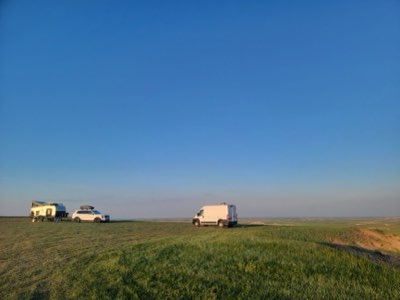
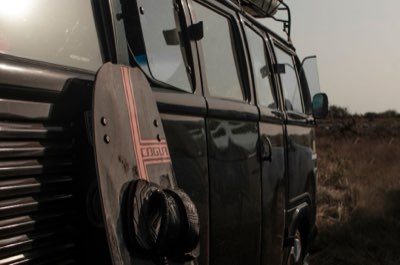
The sun rises over a quiet campervan parked near a coastline, its owner sipping coffee while looking out at the Pacific. For many, this quiet moment is made possible by a massive, invisible engine: the tourism industry.
Tourism is a vital economic driver for New Zealand, functioning as a primary source of export earnings. While global shifts caused fluctuations, looking back at the scale of the industry, it has historically been a cornerstone of the national GDP.
For instance, in 2020, New Zealand recorded 996,000 international tourist arrivals, according to World Bank data.
The sector doesn't just bring in money; it supports thousands of jobs in remote regions where other industries might struggle. International spending bolsters the national economy, allowing for the maintenance of the very landscapes travelers come to see.
This economic pulse ensures that the country can continue to invest in sustainable tourism, balancing the need for growth with the necessity of preservation.
But what happens when travelers move from the paved highways into the heart of the country?

4. Journeying Through the Land: Where Culture Meets Landscape
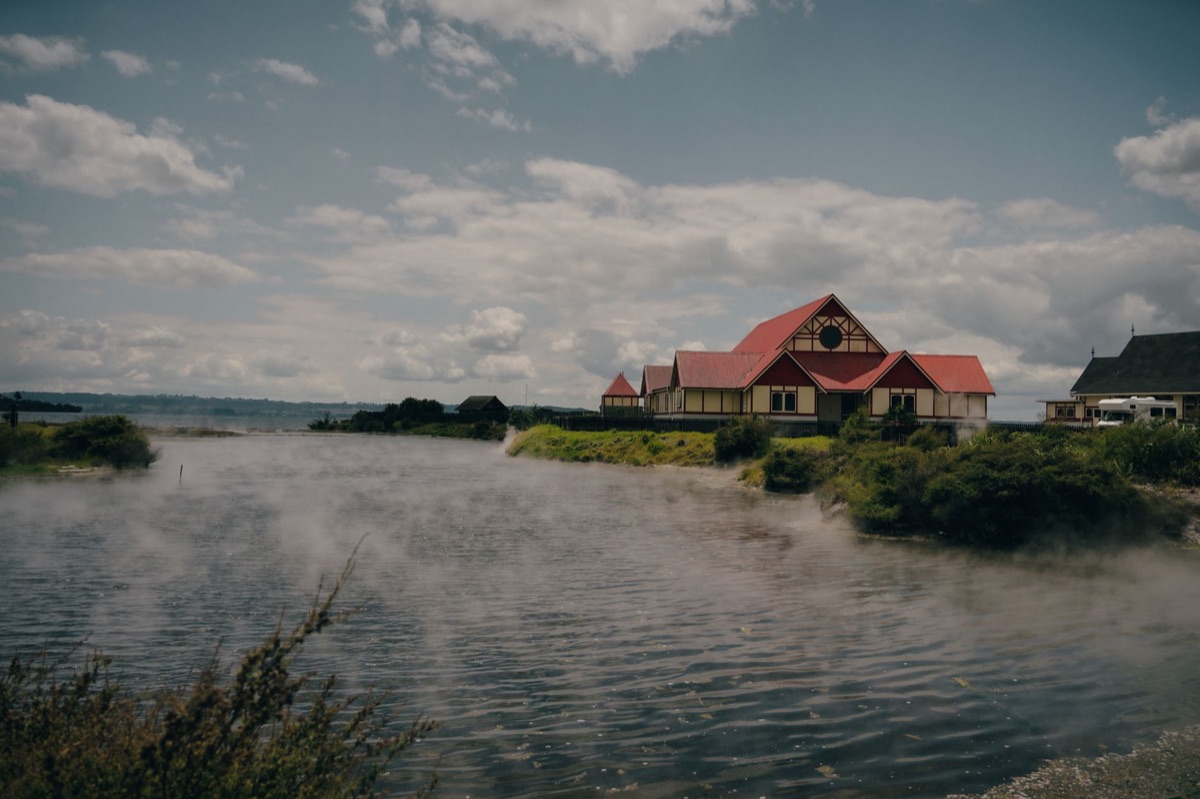
A car winds along a narrow, winding road through the volcanic plateau, where steam rises from the earth in rhythmic puffs. In places like Rotorua, the landscape is not just scenery; it is a living testament to the relationship between the people and the earth.
In the North Island, certain districts remain deeply rooted in Māori identity. For example, in Kawerau, 63.2% of the population is Māori, reflecting a strong, localized presence of indigenous culture.
When travelers visit these areas, they aren't just looking at landmarks; they are stepping into territories where the land holds deep spiritual significance.
The settler lens often views the landscape as a place for exploration and recreation, while the indigenous lens views it as a living ancestor. This tension and cooperation define the journey through the islands.
Traveling through New Zealand is a constant exercise in seeing the world through these dual lenses, where every mountain and valley tells a story of both geological time and human history.
Yet, understanding these landscapes requires more than just looking; it requires knowing how to act within them.
5. The Modern Kiwi Spirit: Values Beyond the Surface
A group of friends gathers around a communal fire at a campsite, debating politics with the same passion they use to discuss their weekend hike. This high level of engagement is a hallmark of the modern Kiwi spirit.
Modern Newan Zealanders share a deep-rooted commitment to community and civic participation.
This is reflected in high levels of political engagement; for example, New Zealand has seen a 82% voter turnout during recent general elections, which is significantly higher than the OECD average of 69%, according to Wikipedia.
This civic-mindedness often mirrors traditional Māori values of community responsibility. Whether it is participating in a local election or joining a community-led conservation project, there is a shared sense of agency.
The pursuit of adventure—the rugged, outdoor lifestyle many associate with New Zealand—is often a modern expression of a deep-seated respect for the natural world.
But how do you navigate this complex social landscape as a visitor?
6. Navigating the Modern Ecosystem: Practicalities for Visitors
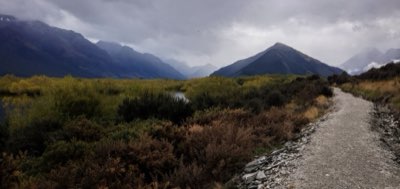
You grip the steering wheel tightly as you navigate a sharp, gravel turn on a mountain pass, mindful of the narrow road. For travelers, understanding the practicalities of the land is essential for a smooth journey.
When visiting, remember that New Zealanders drive on the left side of the road. If you are heading into more remote areas, be prepared for winding, narrow, or gravel roads that require careful attention.
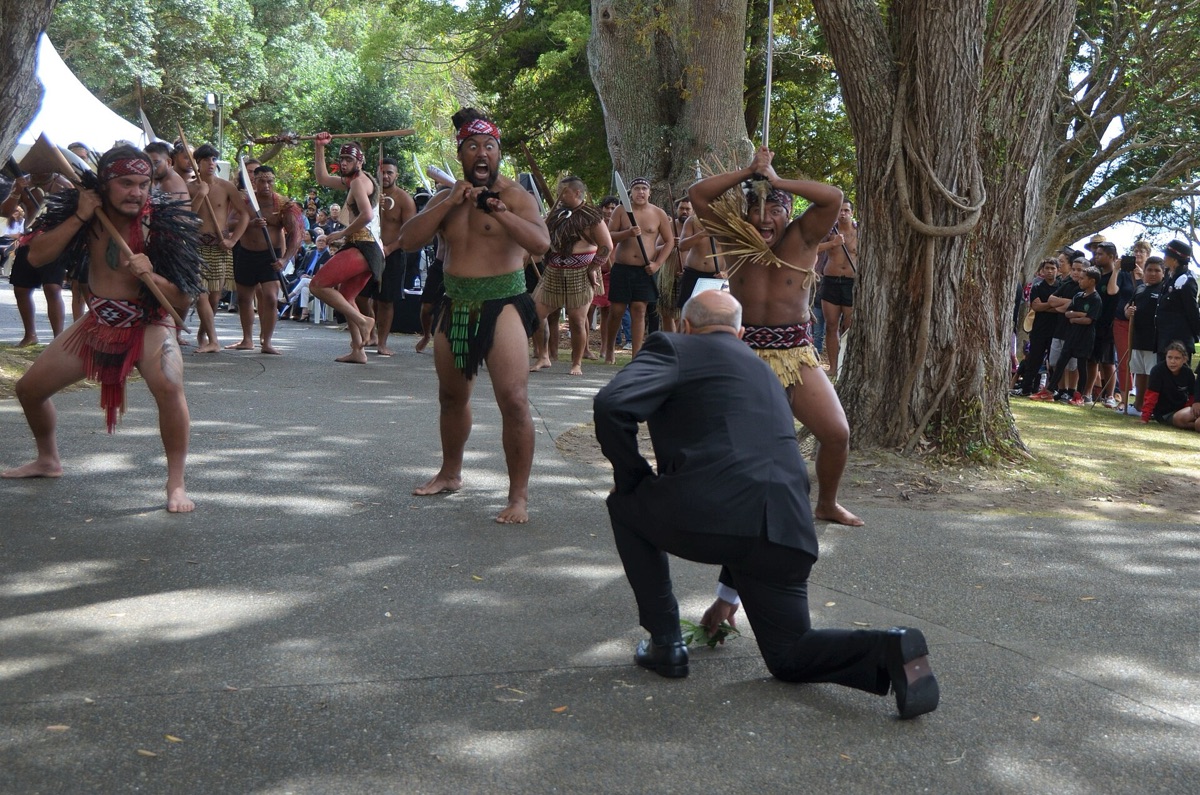
Furthermore, respect is the most important thing you can bring. When engaging with Māori culture—whether visiting a *marae* (meeting grounds) or participating in a cultural tour—always follow local protocols.
This might include removing shoes, asking permission before taking photos, or adhering to specific entry requirements.
To ensure a smooth transition from observer to respectful guest, follow this checklist:
- Research Local Protocols: Before visiting a specific *iwi* (tribe) territory, check if there are specific customs regarding entry or photography.
- Prepare for Terrain: If renting a vehicle, ensure it is suitable for gravel roads if you plan to visit regions like the Coromandel or West Coast.
- Engage with Purpose: When participating in a cultural tour, ask questions that show an interest in the history and the *whakapapa* of the area.
- Practice Environmental Stewardship: Always follow "Leave No Trace" principles to honor the concept of *kaitiakitanga*.
By approaching the country with both curiosity and respect, you ensure that your presence contributes positively to the delicate balance of this unique nation.
***
A Note on Perspectives It is important to recognize that these cultural and demographic descriptions are broad. While they capture the general spirit of the nation, individual experiences vary wildly between a quiet village in Southland and a high-rise in Auckland.
No single framework can encapsulate the lived reality of every New Zealander.
#

Comments 0