7-Day vs 14-Day: Choosing Your Ideal NZ Driving Route
Mastering the nuances of driving in New Zealand’s unique environment is key to a seamless campervan adventure, especially when navigating unfamiliar road layouts.
* Understanding the specific differences between driving on the left vs. right side of the road is paramount for safety. * Planning routes in advance allows drivers to select the most appropriate and scenic paths suited to their journey phase. * Adhering to local driving customs and respecting the country’s unique geography ensures a responsible and enjoyable trip.

Why Does Driving in NZ Require Extra Focus?
The driver's seat feels strangely positioned as I grip the steering wheel, looking toward the center of the road instead of the shoulder. It is a quiet Tuesday morning in Christchurch, and the realization hits that every muscle memory from home is now a potential hazard.
According to World Bank, New Zealand recorded international tourist arrivals of 996,000 in 2020.
In New Zealand, vehicles are right-hand drive, meaning you sit on the right side of the car and drive on the left side of the road. This inversion changes everything from how you use your turn signals to how you judge distances when passing oncoming traffic.
Beyond the steering wheel placement, the physical dimensions of the roads present a constant challenge. Many routes, particularly in rural areas, are narrow, winding, and often lack a shoulder.
You might find yourself transitioning from smooth tarmac to sudden gravel sections, requiring immediate adjustments in braking and steering. Acclimatization is not just about the steering wheel; it is about learning to judge the speed of local drivers who are used to these winding corridors.
Actionable Tip: Before you even leave the rental depot, spend thirty minutes practicing lane positioning and signaling in an empty parking lot to reset your muscle memory.
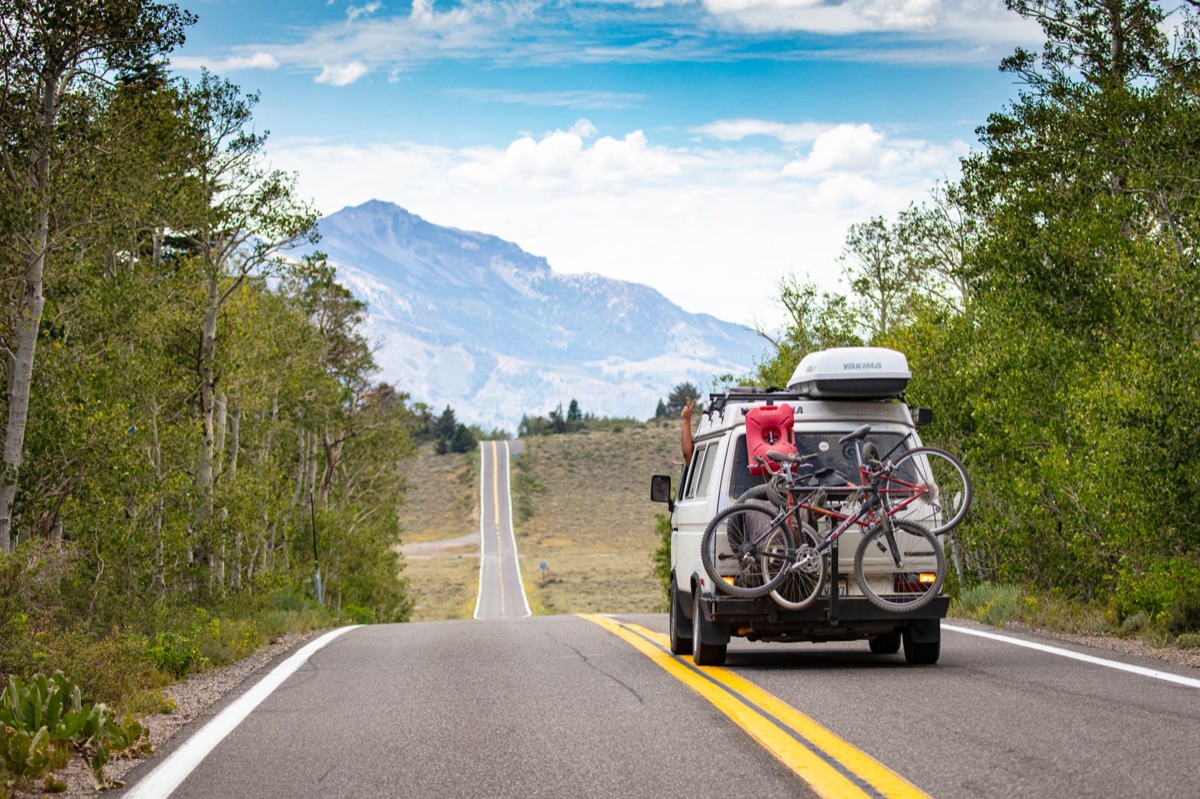
Which island route is actually safer for me? I stare at the paper map spread across the campervan table, tracing the jagged coastline of the South Island while my partner points toward the volcanic peaks of the North. The sheer scale of the country makes choosing a route feel like a high-stakes puzzle.
According to OECD, the average voter turnout was 69% compared to New Zealand's 82%.
The South Island is often the primary draw for campervan enthusiasts due to its high concentration of iconic landmarks. Routes connecting Queenstown, Milford Sound, Aoraki/Mt Cook, and Tekapo require careful planning because the distances are deceptive.
While the distances might look manageable on a map, the winding mountain passes can turn a two-hour drive into a four-hour journey.
In contrast, the North Island offers a different kind of driving experience, focusing on volcanic landscapes and cultural hubs like Auckland, Rotorua, and Hobbiton. While the North Island is generally more temperate, the South Island's geography demands more robust vehicle preparation.
With New Zealand’s length exceeding 1,600 km along its main axis, your route must account for the reality that travel time is often more important than mileage.
| Feature | South Island Driving | North Island Driving |
|---|---|---|
| Terrain | High mountains, glacial valleys, gravel passes | Rolling hills, volcanic plateways, coastal flats |
| Road Type | Often narrow, winding, and steep | Generally wider, more arterial highways |
| Primary Goal | Alpine scenery and dramatic landscapes | Cultural sites and geothermal wonders |
Actionable Tip: For a 7-day trip, stick to one island to avoid spending your entire vacation behind the wheel; a 14-day itinerary is better suited for a North-to-South transition.
What are the essential rules I need to follow? The sound of gravel crunching under the heavy tires of the campervan echoes through the quiet valley, signaling a change in the road surface. I grip the wheel a little tighter, feeling the vibration through the floorboards.
Adhering to local rules is the first step toward safety. In New Zealand, passing maneuvers require extreme caution, especially on single-lane roads where you must yield to oncoming traffic. You must understand when it is safe to overtake and when you must wait for a clear, long stretch of road.
Road surface awareness is critical. Many scenic routes lead to remote campsites via gravel tracks. Driving a heavy campervan on gravel requires lower speeds and much longer braking distances than paved roads. Additionally, pacing yourself is vital.
Because of the winding nature of the roads, you cannot maintain high speeds for long. If you feel fatigued, pull over.
Action-driven Tip: If you encounter a narrow bridge or a passing lane, always yield to the vehicle that has the right of way according to local signage, and never rush to "catch up" to a slower vehicle.

Pre-Trip Checklist: Ensuring a Smooth Journey
I stand in the rental lot, looking at the massive white van that will be my home for the next two weeks, checking the tire pressure and the light-bar functionality. It is a moment of quiet realization: this vehicle is my lifeline.
Choosing the right vehicle is the foundation of your trip. A campervan offers autonomy, but a smaller rental car might be easier to handle on narrow South Island roads. If you choose a campervan, ensure it is equipped for the specific terrain you plan to visit.
Booking ahead is not just a suggestion; it is a necessity. During peak seasons, Holiday Parks and popular campsites can fill up months in advance. Furthermore, remember that your journey begins at the airport. Be prepared for biosecurity checks upon arrival.
New Zealand has strict rules regarding organic materials, so ensure your gear is clean to avoid delays.
Comparison: Vehicle Types
- Small Rental Car: Easier to maneuver, better fuel economy, but limited living space.
- Mid-sized Campervan: Balanced space and drivability, perfect for 2 people.
- Large Motorhome: Maximum comfort and amenities, but difficult on narrow, winding roads.
Actionable Tip: Always compare rental company insurance policies. Comprehensive coverage that includes gravel protection is often worth the extra cost for South Island travelers.
Beyond the Drive: Integrating Activities & Destinations
The sun begins to set over the turquoise waters of Lake Tekapo, casting long shadows across our parked van. We aren't just driving to get somewhere; we are driving to arrive at an experience.
Your driving route should be designed around your activities. If your goal is a Milford Sound cruise or a high-adrenaline bungy jump in Queenstown, your route must allow for ample downtime. You don't want to arrive at a world-class destination exhausted from an eight-hour drive.
Using Holiday Parks as logistical hubs is a smart way to manage your energy. These parks often serve as perfect base camps for day trips, providing electricity, water, and community while allowing you to explore nearby treks or tours.
Integrating the local Māori culture and the rugged outdoor ethos into your mindset helps you appreciate the landscape as more than just a backdrop for driving.
Actionable Tip: Match your heaviest driving days with your lightest activity days. If you have a long trek planned, don't schedule a long drive on the same morning.


Comments 0