Choosing Your NZ Van: 3 Tiers of Providers to Consider
"The right van makes the difference between a scenic adventure and a logistical nightmare."
Choosing a campervan in New Zealand isn't just about picking a pretty vehicle; it is a high-stakes decision involving insurance liabilities, seasonal price swings, and road-readiness.
* Provider Selection: Match vehicle size to your group and itinerary (one-way vs. round-trip). * Insurance Nuance: Understand the difference between high-excess basic coverage and zero-excess full coverage. * Cost Reality: Budget for fuel, campground fees, and seasonal surges beyond the daily rental rate.

Which rental company fits my trip style? I remember standing in a rental depot in Christchurch in the early morning of a Tuesday, looking at a massive 6-berth motorhome and then at my small group of three, realizing that the "better" van wasn't the biggest one, but the most maneuverable one.
The sheer variety of fleets available makes the initial selection overwhelming.
According to the World Bank, New Zealand recorded inflation of 2.8% in 2025, which may influence local rental pricing.
When you begin your search, you must categorize providers into three tiers: budget, mid-range, and premium. Budget companies often offer older models that might lack modern amenities like built-in diesel heaters, which are essential if you are heading toward Queenstown in the shoulder seasons.
Mid-range providers offer a balance of reliability and comfort, often including better kitchen setups. Premium fleets provide late-model, high-spec vehicles that feel more like a moving apartment, often including better suspension for those bumpy backroads.
Your booking model also dictates which company you should choose. If you plan to pick up a van in Auckland and drop it off in Christchurch, you need a provider that supports one-way rentals without astronomical relocation fees.
Conversely, if you are doing a loop, look for companies that offer long-term rental discounts. Always check if essential gear, such as GPS units, recovery tracks, or specialized kitchenware, is included in the base price or if it is an add-on.
But choosing the company is only the first hurdle.
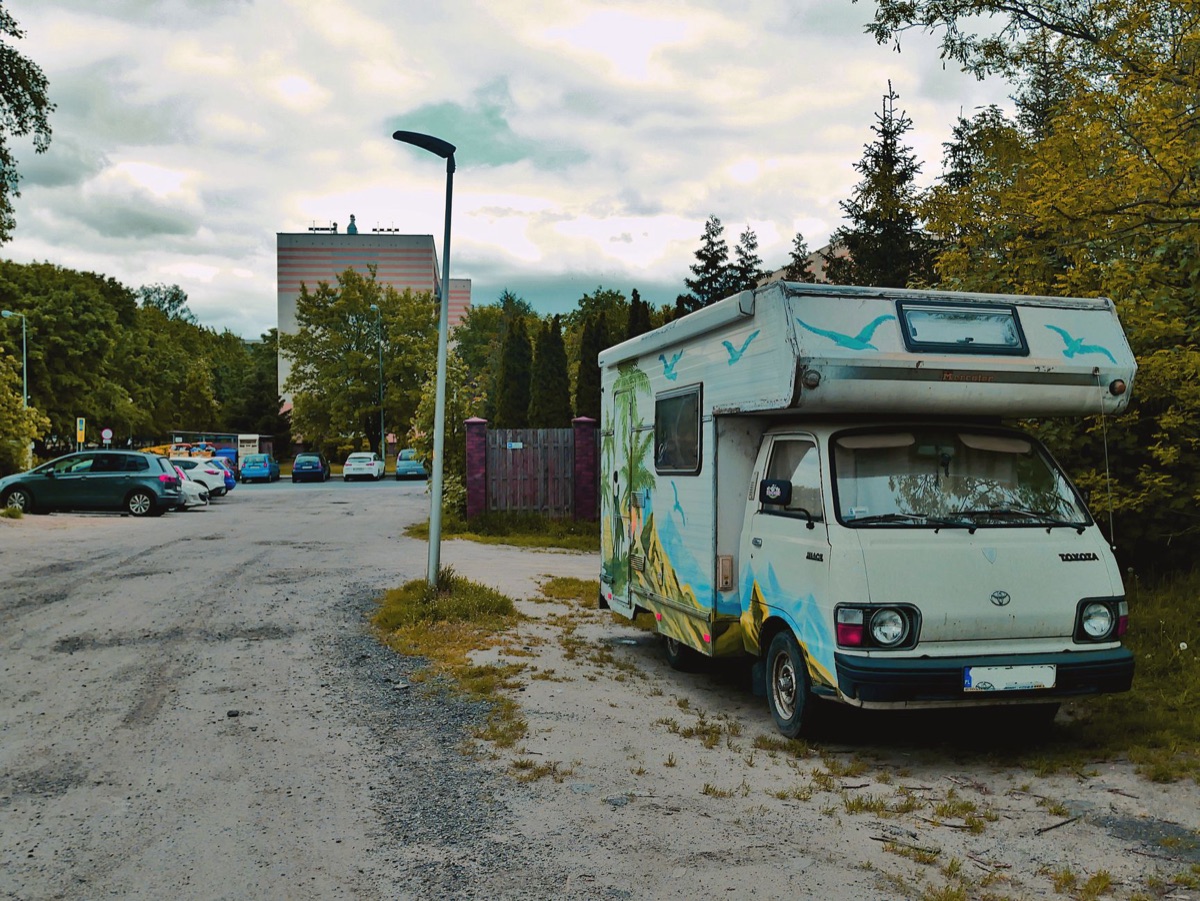
What am I actually covering with insurance? The sun was setting over Lake Tekapo, and as I looked at my rental agreement on the passenger seat, I realized that "comprehensive insurance" didn't necessarily mean I was covered for everything. It is a common trap to assume a flat fee protects you from every mishap on a gravel road.
The most critical distinction is between basic liability and full coverage. Basic insurance usually leaves you with a high "excess" or deductible—an amount you must pay out-of-pocket before the insurance kicks in. If you have a $3,000 excess and a minor scrape, that is your responsibility.
Full coverage, often called "Zero Excess," aims to bring that out-of-pocket cost to zero, but it comes with a much higher daily rate.
You must also look for specific add-ons that are common in New Zealand. Many standard policies exclude damage to the windscreen, tires, or the undercarriage. Given that New Zealand roads often involve flying gravel or steep, uneven terrain, these exclusions can lead to unexpected bills.
Always ask: "If I hit a rock and crack a windshield, or if I slide on gravel and scratch the bottom of the van, am I covered?" If the answer is no, you need to factor that risk into your budget.
The paperwork is one thing, but the actual cost of living on the road is another.
Total Cost Transparency: Budgeting Beyond the Daily Rate
I sat at a small cafe in Wanaka in the late afternoon, looking at my bank balance and realizing my "cheap" rental was actually costing me much more once I factored in the daily cost of diesel and campsite fees. A low daily rate is often a lure that masks high operational costs.
Your budget must account for three distinct categories: the rental fee, variable travel costs, and seasonal fluctuations. While the rental fee is your baseline, variable costs like fuel can fluctuate wildly depending on the size of your engine.
Additionally, you cannot park a campervan just anywhere; you will need to pay for campsites or holiday parks, which can range from $30 to over $80 per night depending on the amenities.
Seasonal pricing is another major factor. During the peak summer months, prices skyrocket, and availability vanishes.
According to data regarding the national economy, tourism is a massive driver, contributing NZ$16.2 billion to the country's GDP as of 2019, which means demand is high and prices are sensitive to these flows.
To minimize unexpected charges, book your vehicle well in advance and try to balance your itinerary with a mix of free campsites and paid holiday parks to stabilize your daily spend.
However, the contract you sign can still catch you off guard.

Navigating the Rental Contract: Fine Print Checklist
I remember the tension of a vehicle inspection at the end of a long trip, where a tiny scratch that wasn't there before caused a heated discussion with a rental agent. A clear contract is your only defense against these end-of-trip disputes.
First, verify the contract duration and mileage limits. Some companies offer lower rates for 28-day rentals compared to 7-day rentals, but these often come with stricter terms. Check if there is a cap on how many kilometers you can drive.
If you plan to traverse the entire South Island, a mileage limit might end up costing you more in penalties than you saved on the initial rental.
Second, understand the drop-off and return procedures. If you are returning a van to a different city, confirm the exact procedure for cleaning and refueling. Most companies require the vehicle to be returned with a full tank and in a specific state of cleanliness.
If you return a muddy van after a trip to the West Coast, you might face a "cleaning fee" that wasn't clearly communicated. Always perform a thorough walk-around with an agent before leaving the depot and after returning to ensure every scratch is documented.
But what about the driving itself?
Essential Pre-Trip Checks
The first time I gripped a right-hand drive steering wheel on a narrow, winding road, my heart raced. It wasn't just about the driving; it was about being prepared for the specific environment of New Zealand.
You must meet the driver requirements of your rental provider. This usually includes a minimum age (often 25) and a valid driver's license that meets international standards.
Since New Zealanders drive on the left, ensure you are comfortable with right-hand drive vehicles, especially when merging or turning.
Furthermore, consider the vehicle's suitability for your specific route. If your itinerary includes gravel roads or remote tracks, a standard low-clearance van might not be appropriate. You need to know if your rental agreement allows for driving on unsealed roads.
Finally, remember that your vehicle must pass through strict biosecurity checks upon entry to the country. Ensure your rental is clean and free of organic matter like soil or seeds to avoid issues with customs, which can lead to delays or fines.
| Feature | Budget Rental | Mid-Range Rental | Premium Rental |
|---|---|---|---|
| Vehicle Age | Older models | 3-5 years old | Late-model/New |
| Insurance | High excess | Moderate excess | Often zero excess |
| Amenities | Basic/Minimal | Standard kitchen/bed | High-end/Luxury |
| Best For | Tight budgets | Most travelers | Comfort seekers |
1. Select your vehicle size Match the number of passengers to the bed capacity, but remember that "4-berth" often means sleeping in cramped quarters.
2. Compare insurance levels Calculate the total cost: (Daily Rate × Days) + Potential Excess. If the excess is high, the "cheaper" daily rate might be a trap.
3. Verify road-readiness Ensure the van is equipped for your specific route, including heaters for cold nights and adequate clearance for gravel.
4. Confirm one-way policies If you aren't doing a loop, double-check the relocation fees before committing to a specific provider.
Note on limitations: This advice assumes you are traveling during standard tourist seasons and using standard commercial rental agencies.
If you are attempting long-term nomadic living or traveling through extreme alpine environments in winter, standard rental terms and basic vans may not provide sufficient safety or comfort.





Comments 0