Peter Jackson New Zealand film guide: 16 mm Early career
"The landscape of New Zealand became a living character through the lens of a visionary, transforming a nation into a cinematic sanctuary."
Peter Jackson New Zealand film production has fundamentally redefined how global audiences perceive the country's diverse geography by turning local vistas into epic Middle Earth settings.
This guide explores the intersection of Jackson's early career struggles with the New Zealand Film Commission and the massive cinematic impact that follows.
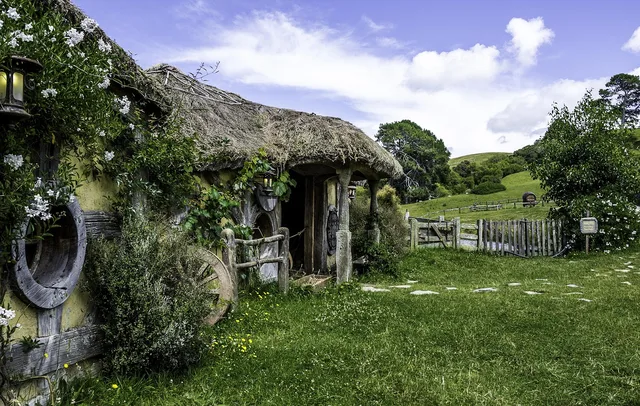
Travelers can learn about the historical roots of these productions, the role of local film commissions, and the specific evolution of his technical approach.
* The early cinematic risks taken by Jackson. * * The global tourism impact following major franchises. * Jackson's ongoing contribution to local competition.
How did Peter Jackson New Zealand film origins start?
At sunset on a rugged coastline, Peter gripped the heavy camera while feeling the salty spray against his skin.
A young director holds a heavy 16 mm camera while scanning a rugged coastline for the perfect shot. This early determination defined the career of Peter Jackson, who began his journey by investing significant time into his craft.
After two years of dedicated work, Jackson bought a 16 mm camera, and began shooting a film that later became Bad Taste. This period was essential for establishing his unique visual style before his transition into massive studio productions.
This era shows how local talent can emerge from grassroots beginnings.
- He began by making small-scale horror films. 2. He transitioned into more ambitious fantasy projects. 3. He eventually achieved global success with massive epic productions.
##
A producer sits in a quiet office, reviewing a stack of scripts and budget sheets to decide where to invest public funds. The New Zealand Film Commission acted as a pivotal force in the director's early professional development.
At midnight in a dim office, Peter rubs his tired eyes while staring at the heavy stacks of paper.
The film was finally completed thanks to a late injection of finance from the New Zealand Film Commission, after Jim Booth, the body's executive director, became convinced of Jackson's talent. However, this partnership was not always smooth.
In this sequence, the second step is the longest.
How has New Zealand film scenery influenced tourism?
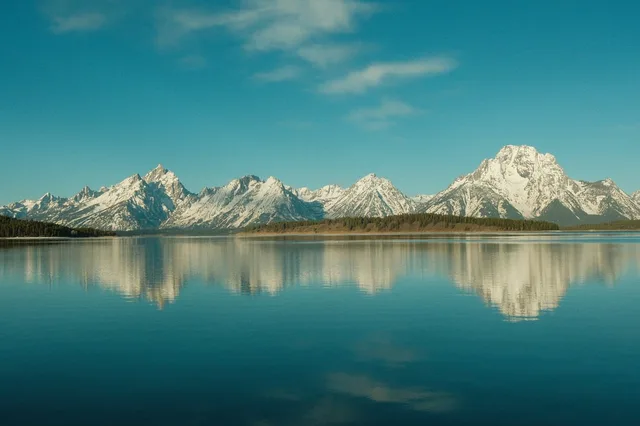
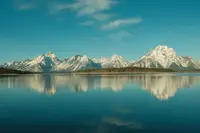
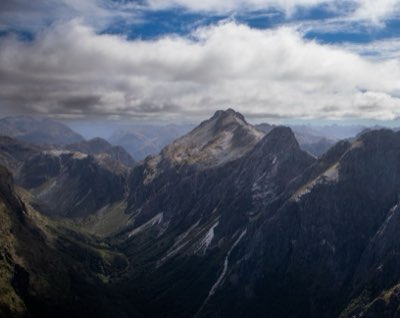
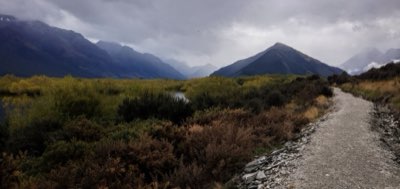
A tourist stands on a grassy ridge, looking out over a valley that looks exactly like a scene from a blockbuster movie. The visual legacy of Jackson's work has created a lasting impact on the nation's visitor economy.
The landscapes used in his films have become iconic destinations for international travelers seeking to touch the edges of fantasy. According to World Bank data, New Zealand recorded international tourist arrivals of 996,000 in 2020.
This figure highlights the scale of the nation's tourism industry during that specific year.
How does Jackson support the local film industry today?
A filmmaker sits in a dark editing suite, carefully selecting a "Wildcard" entry for a national competition. Jackson maintains a connection to the next generation of creators by sharing his technical expertise.
He also contributes his expertise to 48HOURS, a New Zealand film-making competition, through annually selecting 3 "Wildcards" for the National Final. This involvement ensures that the technical standards of the country's film industry continue to evolve through mentorship and competitive excellence.
What honors has the director received?
A gold award sits on a polished wooden shelf, catching the light in a private study. Recognition of Jackson's contribution to cinema has come from various international institutions.
In 2006, Jackson received the Golden Plate Award of the American Academy of Achievement. This honor reflects the high level of professional recognition granted to his cinematic vision and technical mastery.
- How did Peter Jackson New Zealand film origins start?
- A producer sits in a quiet office, reviewing a stack of scripts and budget sheets to decide where to invest public funds. The New Zealand Film Commission acted as a pivotal force in the director's early professional development.
- How has New Zealand film scenery influenced tourism?
The same subject is also called Lord of the Rings locations.
The same subject is also called Hobbit movie filming sites.
The same subject is also called Jackson cinematic landscapes.
This part also covers Middle Earth filming locations.
This part also covers Visual effects in NZ films.
Related
- Peter Jackson documentary work: Why 16 mm camera tips guide
- Film history tips: Best guide 16 mm local support
Why is the New Zealand landscape so significant?
The New Zealand landscape serves as a primary setting for epic fantasy, functioning as a cinematic sanctuary for global audiences. This visual transformation occurs because the director utilizes diverse local geography to represent fictional worlds.
- Identify a rugged coastline or grassy ridge. 2. Compare the vista to a blockbuster movie scene. 3. Use these locations as iconic destinations for international travelers.
What challenges did the director face during production?
Early production was marked by financial tension and budget constraints. The director had to navigate the following conditions:
* The risk of going over-budget, as seen with Meet the Feebles. * The need for a late injection of finance from the New Zealand Film Commission. * The requirement to prove talent to the body's executive director, Jim Booth.
What are the specific filming locations?
These locations are the same subject as the Lord of the Rings locations. They are also referred to as Hobbit movie filming sites. Travelers visit these Jackson cinematic landscapes to see Middle Earth filming locations.
How does the visual style impact the industry?
Technical mastery is achieved through the use of visual effects in NZ films. This process contributes to the evolution of the local film industry. The visual legacy remains a cornerstone of the national identity.



Comments 0