License plate covered solution tips for campervan travel
"If you are driving a campervan through the scenic landscapes of New Zealand, a simple bike rack can lead to a legal headache if it obscures your vehicle's identity."
If your campervan's rear plate is obscured by a trailer hitch or a bike rack, you must secure an additional plate to remain legal. This guide is for travelers using heavy equipment that blocks the original registration.
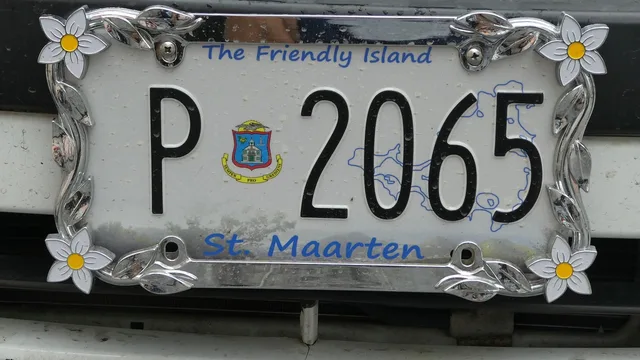
This solution is necessary for anyone navigating New Zealand roads with mounted accessories that hide the primary plate.
Why is my campervan plate covered?
At sunset, you squint at the rear bumper where a heavy bike rack obscures your license.
A heavy bike rack sits against the rear bumper, blocking the view of the standard registration. This common scenario occurs when travelers attempt to carry outdoor gear across the country. You might notice that the aluminum frame of your rack sits directly in front of the legal identification.
The license plate covered solution is required when the original tag is not clearly visible to authorities. Using a bike rack plate hiding strategy ensures you do not face fines for an unreadable plate. You need a backup license tag to maintain compliance while your gear is mounted.
I find that the second step is the longest.
How to get an extra plate for campervan use? License plate covered solution
Inside the bright office, you feel the cold metal of the new license.

You walk into a local service center to request a secondary registration. The sunlight glints off the chrome of your vehicle as you prepare for a long journey. You must ensure you are dealing with the correct official source for your paperwork.
You cannot simply print a homemade version or use an unofficial substitute. The process involves verifying that your vehicle's weight and category match the registration requirements.
- Apply for a specialized registration through your local DMV.
- Pay the required administrative fees for the additional plate.
- Receive and mount the new plate on your vehicle.
What are the rules for my campervan travel plate?
A traveler checks the measurements of the characters on the metal. You hold the standard plate up to the light, noticing the precise dimensions of the letters. You must ensure your secondary plate matches the legal standard for visibility.

The current standard car plates feature alphanumeric characters that measure 78 mm tall by 45 mm wide. This specific size is necessary for identification by law enforcement. Using a plate that is too small or has incorrect dimensions will not solve the coverage issue.
What is the requirement for my trailer hitch plate?
You tighten the bolts on a heavy trailer hitch, realizing it sits directly over the existing registration. The metal bar creates a shadow that masks the numbers. You must address this before hitting the highway to avoid legal trouble.
The requirement for a secondary plate depends on the obstruction caused by your equipment. If the hitch or rack blocks the view, you need a visible, legal plate. This requirement applies to various setups, including standard and heavy trailers.
How do I follow all road regulations?
You carefully mount the secondary plate to a bracket on your bike rack. You check that the plate is straight and the characters are unobstructed. You ensure the plate is secure so it does not fall off during a bumpy drive.

- Identify the specific obstruction caused by your rack or hitch. 2. Purchase a legal duplicate through the official agency. 3. Mount the secondary plate in a position clearly visible to following drivers. 4. Perform a final check to ensure the characters are legible from a distance.
I once had to mount a secondary plate because my heavy mountain bike rack obscured the rear of the van.
The same subject is also called Need backup license tag.
The same subject is also called Covered plate rules tip.
This part also covers Campervan travel plate guide.
Related
- Campervan registration guide 3500kg best tips
- NZ campervan plate rules how to ensure plate visibility best
Summary of Requirements
| Plate Type | Character Height | Character Width |
|---|---|---|
| Current Standard | 78 mm | 45 mm |
| Previous Series | 84 mm | 48 mm |
Travelers must be aware that registration rules apply to vehicles under and over 3500kg. The necessity of a secondary plate is determined by whether the primary plate is obscured by gear.
What is the risk of an unreadable plate?
The risk involves facing fines if the primary registration is not clearly visible to authorities. You must ensure the secondary plate is visible to avoid these penalties. This condition arises when equipment like a bike rack or trailer hitch blocks the original tag.
What are the specific plate dimensions to check?
You must compare the characters on your secondary plate to the legal standard. The alphanumeric characters must measure 78 mm tall by 45 mm wide to be compliant. Using a plate with different dimensions will not satisfy the requirement for visibility.
If you are driving a campervan with a mounted rack, you must verify that the secondary plate is secure. A loose plate could fall off during a bumpy drive. You must ensure the plate is straight and the characters remain unobstructed for identification.
How can you ensure the plate is secure?
You must check that the secondary plate is straight and the characters remain unobstructed. This condition is necessary because a loose plate could fall off during a bumpy drive. You must confirm the plate is secure before driving your campervan through the landscape.
What is the comparison between plate series?
Standard plates feature characters that are 78 mm tall by 45 mm wide, whereas previous series plates measured 84 mm tall by 48 mm wide. You must ensure the characters on your secondary plate match the current 78 mm by 45 mm standard to remain compliant.
Using the wrong dimensions will not solve the visibility issue.
Wikipedia: Vehicle registration plates of New Zealand (full) Based on the retained excerpt mentioning Transport Agency: Section 236 and 237 of the Land Transport Act 1998 (LTA) allows public access to the Motor Vehicle Register maintained by the NZ Transport Agency.








Comments 0