3-4 Months Advance: Securing Your Perfect Campsite Spot
"The best way to see the world is from the driver's seat of a van, but the best way to enjoy it is from a well-planned campsite."
A successful road trip isn't just about the miles driven; it’s about where you lay your head at the end of the day. For travelers in campervans, "holiday parks" serve as the essential basecamp, providing the power, water, and stability needed to keep an adventure moving.
Key Takeaways * Book Early: During peak seasons in 2026, reserve your spots at least 3 to 4 months in advance. * Check Power Specs: Always verify that your vehicle's power requirements match the site's capacity.
* Know Your Site Type: Understand the difference between powered and non-powered sites to avoid cold nights. * Prioritize Location: Choose parks that balance proximity to sights with necessary amenities.

Why choose a holiday park over wild camping?
The rain drums against the metal roof of the van as you pull into a quiet park near Queenstown in late March 2026, your boots squelching on the wet gravel. You step into the warm, communal shower room, feeling the tension of a long day of driving melt away as you plan tomorrow's route.
According to the World Bank, New Zealand recorded international tourist arrivals of 996,000 in 2020.
This sense of security is exactly why travelers choose structured parks over roadside parking.
In many regions, especially in New Zealand, strict environmental laws and conservation efforts mean you cannot simply park anywhere. Wild camping can be illegal in many protected areas and places immense pressure on the local ecosystem.
Holiday parks provide a legal, organized solution that offers essential services like electricity and fresh water.
Furthermore, these parks cater to different travel styles. Whether you are a solo backpacker or traveling with a full family, there is usually a space designed for your specific needs. These facilities allow you to immerse yourself in nature without sacrificing the basic comforts of modern life.
| Category | Key Features | Best For |
|---|---|---|
| Premium Holiday Parks | Pools, cafes, kids' zones, and full amenities | Families and long-term stays |
| Local/Caravan Parks | Practical facilities and a local feel | Budget-conscious travelers |
| Nature-Centric Sites | Located near national parks and scenic views | Hikers and nature enthusiasts |
But choosing the right park is only half the battle; you first have to know which type of site actually fits your vehicle.
What kind of place should I stay in? You stare at your smartphone screen, the blue light illuminating your face in the dark cabin of the van as you scroll through map results in the middle of the night. The options are endless, but choosing the right one depends entirely on your vehicle and your current energy levels.
As noted by the OECD, the average healthcare allocation for member nations was 8.8 percent, while New Zealand's was slightly higher as of 2023.
Most parks fall into three distinct categories. First are the "Premium Holiday Parks." These are essentially outdoor hotels, featuring laundry facilities, communal kitchens, and sometimes even swimming pools or playgrounds.
They offer very stable power supplies and wider spacing between sites for better privacy.
Second are "Local or Caravan Parks." These are more modest but highly functional. They provide basic electrical hookups and water access at a much lower price point. These are often frequented by locals, offering a more authentic, community-driven atmosphere.
Third are "Nature-Centric Sites." These are often located right on the doorstep of major landmarks like Mt. Cook or Milford Sound. While the views are breathtaking, the facilities are often minimal. Because these spots are in high demand, they are usually the first to sell out.
Knowing your options is vital, but managing the logistics of arrival can still catch you off guard.
How to handle reservations and check-ins without mistakes
You are packing your bags in a hurry in the early morning of a Tuesday in 2026 when a sudden realization hits: you haven't confirmed your reservation for tomorrow's destination. In popular tourist hubs, finding an empty slot can feel like an impossible task.
For a successful road trip, advanced booking is your best friend. In high-demand areas like Queenstown, Tekapo, or Mt. Cook, sites can fill up months in advance during the peak summer season of December to February.
Since many parks use online booking systems, it is wise to secure your major stops as soon as your itinerary is set.
When you arrive for check-in, keep these three steps in mind to avoid common pitfalls:
- Verify Power Compatibility: Ensure your van's plug type and power requirements are compatible with the site's connection.
- Distinguish Site Types: Clearly distinguish between "Powered Sites" (with electricity) and "Non-powered Sites." Staying at a non-powered site can lead to very cold nights if your van lacks internal heating.
- Confirm Check-in Logistics: Many parks have strict check-in and check-out windows. If you are arriving late at night, always check if you need to notify the manager or use a key box.
Checking user reviews for "water pressure" or "shower cleanliness" can also save you from a disappointing stay.
However, once you are settled in, you might realize that the power isn't as reliable as you hoped.
How do I make the most of the park facilities? You turn the tap in your van's small sink, only to find a weak trickle of water or no power at all. This sudden lack of utility can turn a relaxing evening into a stressful ordeal.
The most important thing to manage is "Power Consumption." The electricity provided at a holiday park is not infinite. Most sites have a maximum load capacity.
Avoid running high-draw appliances, like electric heaters or induction cooktops, simultaneously to prevent tripping the circuit breaker and leaving you in the dark.
Second is "Water and Waste Management." Emptying your greywater tank and refilling your fresh water supply is a major part of the routine. Most parks provide a dedicated "Dump Station" for this purpose. Always use these designated areas to protect the environment and maintain hygiene.
Third is "Communal Etiquette." Since these are shared spaces, be mindful of noise levels and laundry room usage. Many parks value quiet hours, so loud conversations outside your van late at night can disturb your neighbors.
| Checklist Item | What to Check | Why it Matters |
|---|---|---|
| Power Connection | Plug type and voltage capacity | Prevents blown fuses |
| Water Supply | Fill point and hose length | Ensures you can refill easily |
| Waste Disposal | Dump station location/usage | Keeps the site sanitary |
| Internet/Wi-Fi | Signal strength for maps/work | Essential for navigation |
When you are managing your resources correctly, you can focus on the most important part of the trip: the journey itself.

Planning a smart route around local attractions
You look out over the vast landscape as you drive toward your next destination in 2026, wondering if you should stay in one place or keep moving. A good accommodation is always located near the heart of the action.
An efficient trip requires a strategy to connect major cities with natural wonders. For instance, if you are using Queenstown as a base for South Island adventures, look for parks in the surrounding areas to allow for easy day trips.
Because travel distances can be long, it is better to use holiday parks as "anchors." Instead of trying to drive too far in one day, schedule your stays in well-equipped parks to allow for rest and recovery.
Follow this sequence to plan your route: 1. Select Major Hubs: Pick the main cities that will serve as your base. 2. Research Nearby Sights: Identify the landmarks within a 1-2 hour drive of your hubs. 3.
Assign Accommodations: Book parks that are positioned to catch you as you arrive after a day of sightseeing. 4. Build in Buffer Time: Always account for driving time and sightseeing duration to avoid an exhausted schedule.
When I tried this myself in late 2025, I found that building in an extra "rest day" at a premium park prevented total burnout.
Finding the perfect view and photo opportunities
You wake up to the sun streaming through the window in your van, revealing a spectacular mountain range right outside your door. This is the ultimate reward of the road.
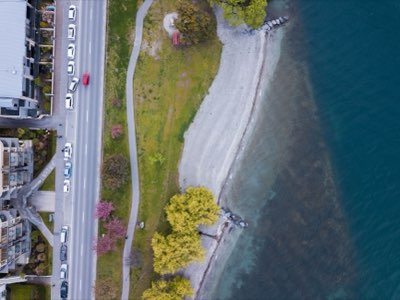
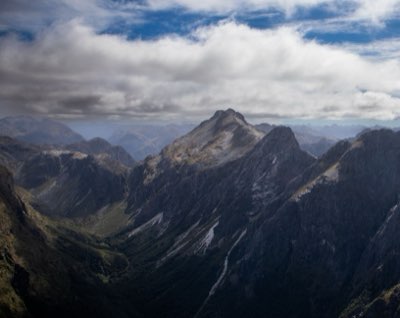
Many holiday parks are intentionally located to take advantage of natural beauty. Coastal parks offer ocean views right at your doorstep, while mountain parks provide views of mist-covered peaks. These "premium view" sites are often the first to be booked or may require an extra fee.
If you want to capture perfect photos, look for sites with unobstructed views. Some premium parks have specific zones designed for this. Consider your van's window placement and the direction of the sun to ensure you get the best morning light.
Tips for great scenery: * Check Orientation: Match the sunrise direction with your van's window placement. * Look for Elevation: Sites on higher ground often provide better, unobstructed views.
* Consider the Season: In summer, look for breezy sites; in winter, look for sites that catch the direct sunlight.
Comments 0