From 16mm to Epic: Jackson's Journey & NZ's Film View
"The landscapes of Aotearoa didn't just provide a backdrop; they provided a soul for a story that would conquer the world."
One director's transition from small-scale independent projects to sweeping, high-fantasy epics fundamentally changed how the world views New Zealand. Peter Jackson didn't just make movies; he built a bridge between a remote island nation and the global imagination.
Key Takeaways * Peter Jackson’s career trajectory mirrors the global rise of New Zealand’s cinematic profile. * His seminal work, *The Lord of the Rings*, utilized NZ’s unique geography as a crucial narrative backdrop.
* The film’s success mirrors the vital economic contribution of international tourism to New Zealand. * Jackson’s body of work showcases a deep connection to the country's cultural and natural essence.
How did we go from 16mm to epic visions? The smell of developing chemicals and the hum of a small projector often define the early days of a filmmaker. In a quiet workshop, a young man obsessed with storytelling decided to take a leap of faith into the unknown.
After two years of dedicated work, Jackson bought a 16mm camera and began shooting a film that would eventually become *Bad Taste*. This wasn't just a hobby; it was the foundation of a visual language that would eventually define a generation of cinema.
He learned how to manipulate light, shadow, and practical effects on a shoestring budget, a skill set that would serve him well when he eventually had to build entire worlds from scratch.
His early work wasn't just about technical mastery, but about community. He has maintained a connection to the local creative pulse, such as contributing his expertise to 48HOURS, a New Zealand film-making competition, where he annually selects three "Wildcards" for the National Final.
This involvement shows a director who remains rooted in the community that raised him, even as his name climbs the global charts.
This early period was about finding a voice that could balance the grit of reality with the wonder of the impossible. It was a period of trial and error that shaped a director capable of handling both horror and high fantasy.
Just how massive is Middle-earth? Staring at a hand-drawn map on a wooden table, a director traces a jagged coastline as the morning sun warms the room.
A thick, hand-drawn map spread across a wooden table, coffee rings staining the edges, as a director stares at a vision that seems too large for any single human to execute. This was the reality of translating J.R.R. Tolkien’s complex mythology into a physical, breathing reality.
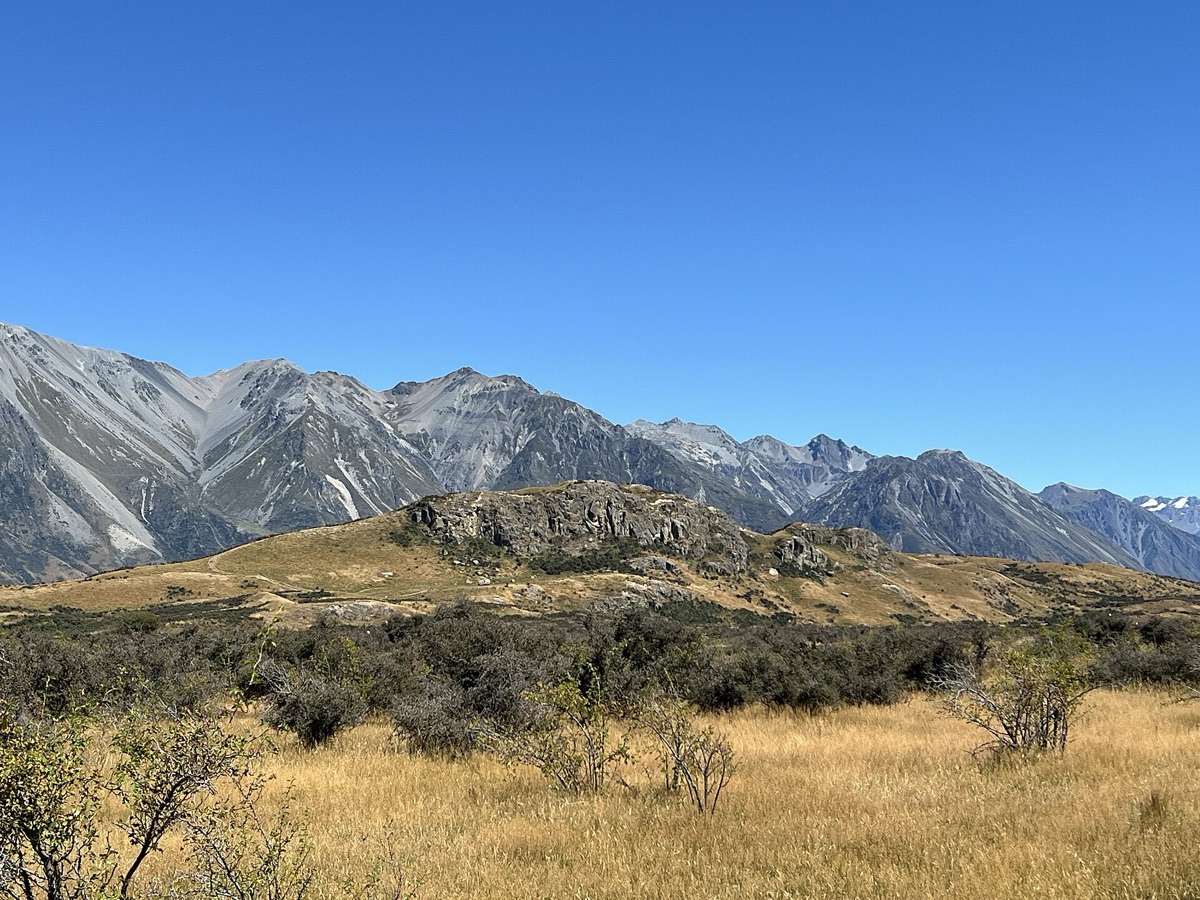
The decision to film *The Lord of the Rings* in New Zealand was more than a logistical choice; it was a marriage of narrative and landscape. The rugged mountains, rolling hills, and ancient forests of the North and South Islands provided a texture that no soundstage in Hollywood could replicate.
The geography wasn't just a setting; it was a character that grounded the high-fantasy elements in a sense of tangible, weathered reality.
The undertaking was massive, requiring a level of commitment that stretched the limits of the film industry.
It wasn't just about actors and cameras, but about building entire miniature cities, crafting thousands of unique props, and managing a massive logistical operation in a country that was still finding its feet in the global blockbuster arena.
This era turned New Zealand into a cinematic landmark. Suddenly, travelers weren't just looking for mountains; they were looking for the specific peaks that looked like they belonged in a legend.
Beyond the Ring
A quiet, contemplative moment in a dark editing suite, where a director looks at a scene that is nothing like a fantasy epic, testing a new emotional range. It is easy to assume a filmmaker is defined solely by their greatest hit, but true artistry lies in the ability to pivot.
While the world knows him for wizards and rings, Jackson's filmography reveals a much broader scope. His early work, like *Bad Taste*, showcased a dark, comedic, and somewhat grotesque sensibility that was far removed from the sweeping heroism of Middle-earth.
This ability to move between genres—from horror to historical drama to epic fantasy—demonstrates a versatile directorial vision.
His continued involvement in the local film community ensures that his influence isn't just a relic of the past. By supporting local talent and participating in competitions, he helps sustain the ecosystem that allows new creators to rise.
He has evolved from an independent filmmaker making cult classics into a global titan, yet he maintains the experimental spirit of his early years.
This range is what makes his work enduring. He proved that a filmmaker could be both a master of spectacle and a storyteller of intimate, human emotion.
The Economic Ripple Effect
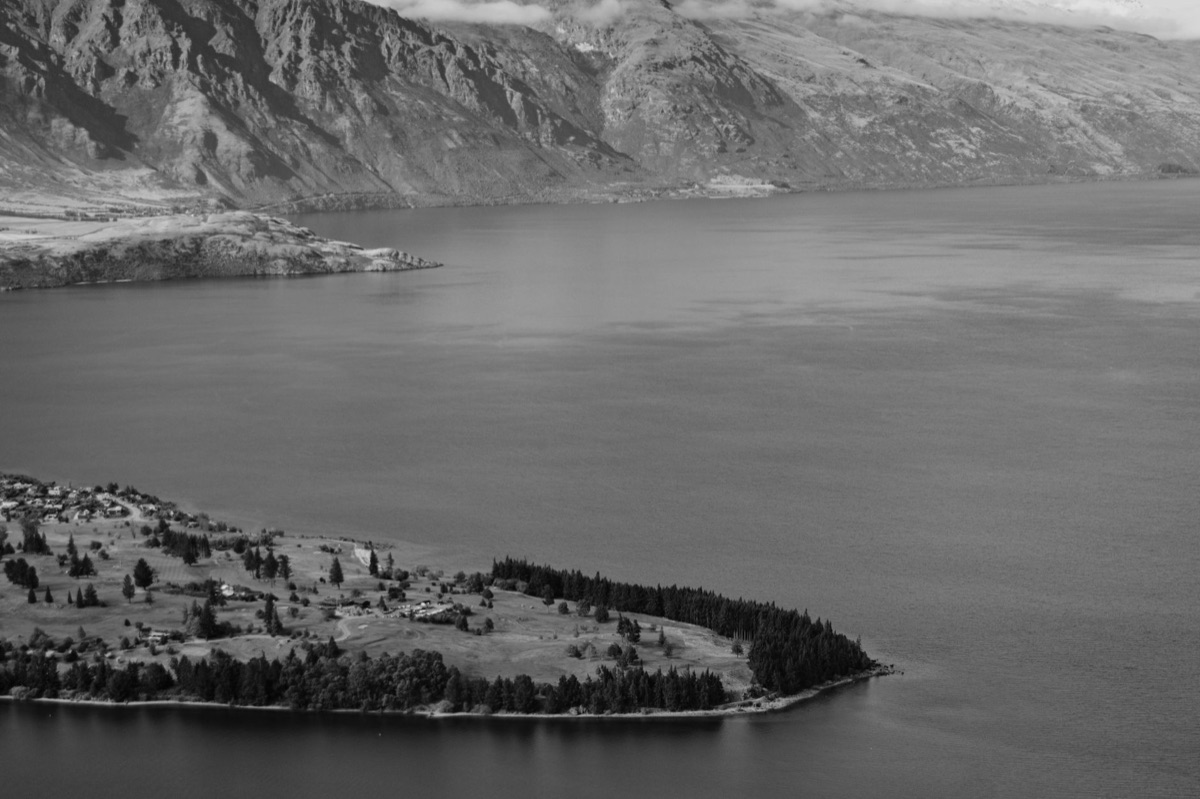
A bustling terminal at Auckland Airport, filled with travelers from every corner of the globe, all looking toward the horizon of the South Island. The connection between a movie screen and a plane ticket is often invisible, but the numbers tell a clear story.
The success of Jackson's films acted as a global advertisement for New Zealand, turning a quiet nation into a bucket-list destination. This cinematic prestige helped fuel a massive tourism sector that became a cornerstone of the national economy.
For example, tourism directly contributed NZ$16.2 billion, or 5.8% of the country's GDP, in the year ended March 2019.
The impact of this visibility is measurable across various sectors. As of 2016, tourism supported 188,000 full-time-equivalent jobs, which represented nearly 7.5% of New Zealand's workforce. This shows how a single creative spark can lead to widespread employment and economic stability.
The relationship between film and tourism is a perfect example of soft power. The global interest sparked by these stories created a steady stream of international visitors, which in turn supports local businesses, from boutique hotels to guided hiking tours.
| Metric | Value/Impact |
|---|---|
| 2019 Tourism GDP Contribution | NZ$16.2 Billion (5.8%) |
| 2016 Tourism Jobs Supported | 188,000 Full-Time Equivalent |
| 2020 International Arrivals | 996,000 (World Bank) |
The Modern Journey
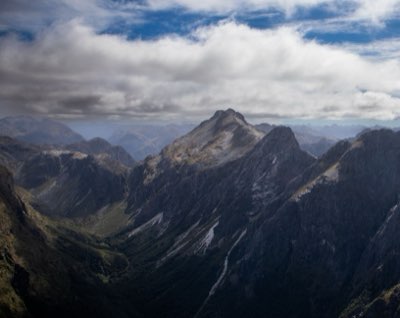
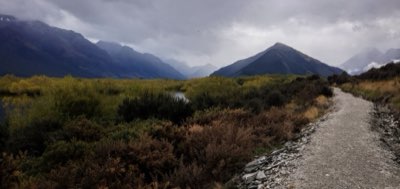
A traveler standing on a windswept ridge in the Southern Alps, looking out over a landscape that feels both ancient and cinematic. The journey doesn't end when the credits roll; for many, it begins when they step off the plane.
According to World Bank, New Zealand recorded international tourist arrivals of 996,000 in 2020.
Today, travelers don't just visit New Zealand for the nature; they visit to walk in the footsteps of the stories they love. The landscapes that served as Jackson's muse now serve as a global classroom for adventure and awe.
This modern traveler's journey is often driven by the desire to see the "real" Middle-earth, a pursuit that keeps the tourism industry vibrant.
Jackson's career mirrors the rise of New Zealand's global visibility. He took a country that was geographically isolated and placed it at the center of the global cultural conversation.
This visibility has created a sustainable cycle where film inspires travel, and travel sustains the very landscapes that inspire the next generation of filmmakers.
As we look to the future, the legacy of these films remains etched into the hills and valleys of the country. It is a testament to the power of storytelling to change not just minds, but entire economies. #

Comments 0