North Island 113,729 km2: Best route for South North Islands
"The North Island holds 43% of New Zealand's land area, serving as a massive geographic foundation for any journey across the country."
The best route for South North Islands requires balancing the vast landmass of the North Island with the distinct landscapes of the South Island. Travelers should consider the density of urban centers in the north and the ruggedness of the south to create a functional itinerary.
Key takeaways: * Understand the scale of the North Island, which constitutes 43% of the national land area. * Consider the demographic diversity and urban density when planning stops. * Evaluate travel time between the major islands.
How to plan the best route for South North Islands?
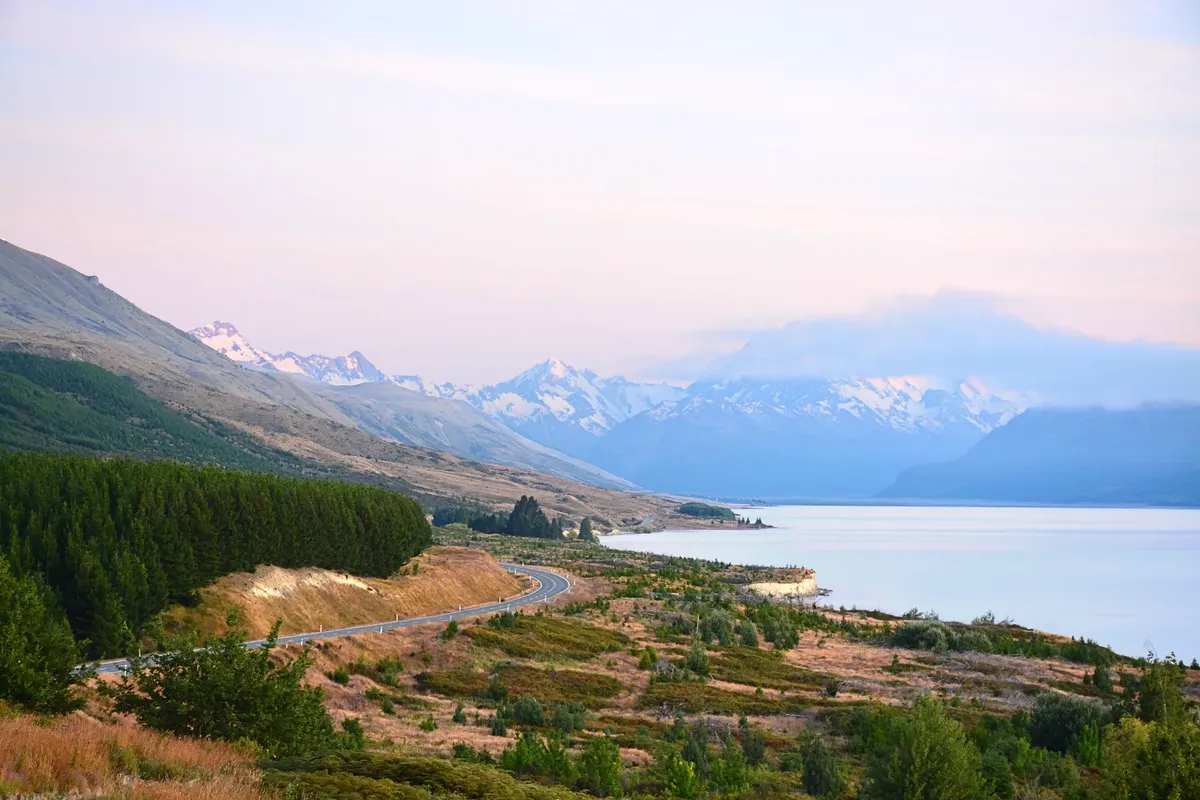
A traveler stands at the window of a plane, looking down at the vast green expanse of the North Island. Planning the best route for South North Islands begins with understanding the sheer size of the terrain.
The North Island covers 113,729 km2, making it a significant portion of the country's land area. This scale means that travelers must decide between focusing on specific regions or attempting a broad sweep of the coastlines.
An island tour planning tips approach suggests dividing the trip into northern and southern segments to avoid excessive transit time.
The geographic scope of the North Island is substantial. With an area of 113,729 km2 (43,911 sq mi), it is the world's 14th-largest island, constituting 43% of New Zealand's land area.
- Identify the primary islands you wish to visit.
- Map out the ferry or flight connections between locations.
- Arrange accommodations based on the geographical flow of the route.
How do I plan the perfect island itinerary? A driver navigates a winding coastal road, checking the map against the rugged cliffs ahead. Creating an optimal island travel route involves managing the logistics of moving between highly populated urban areas and remote natural wonders.
With 30 urban areas in the North Island having a population of 10,000 or more, the infrastructure is well-developed. Travelers can use these hubs for supplies and transit.
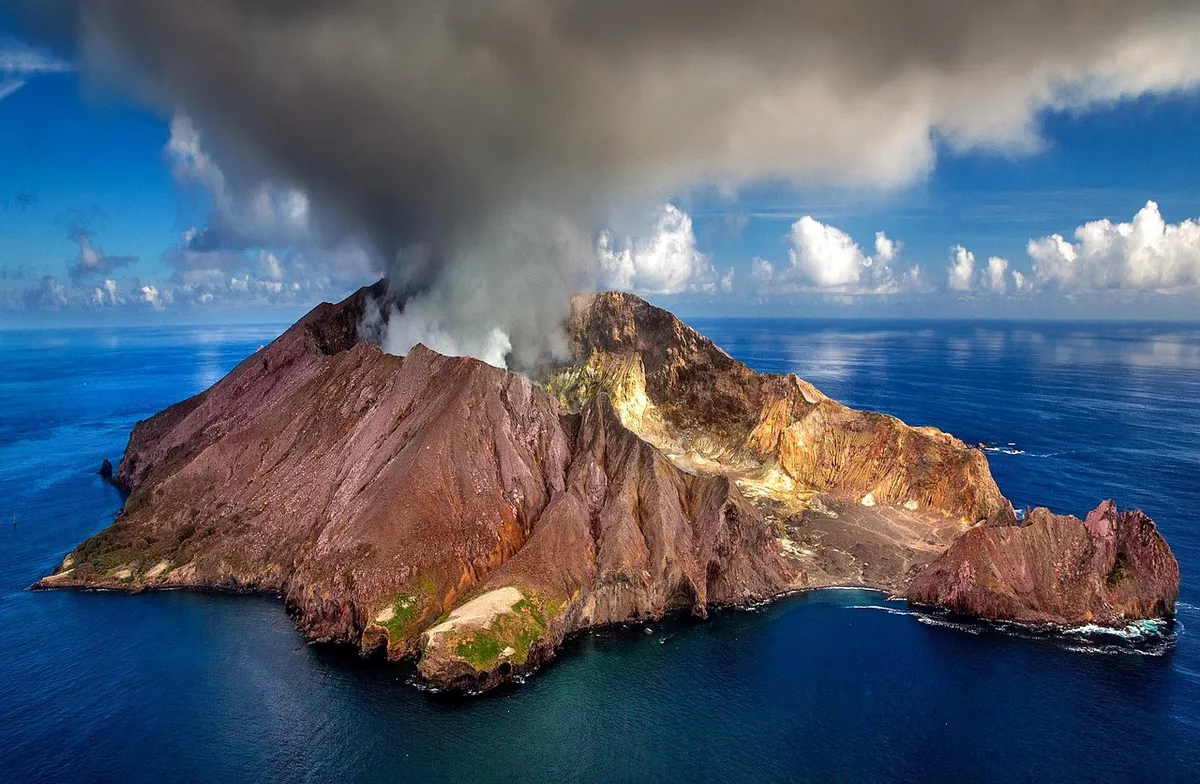
An optimal island travel route should leverage these urban centers for accommodation while allowing for significant time in rural districts.
The North Island contains 30 urban areas with a population of 10,000 or more. These hubs provide essential support for travelers moving through the landscape.
In this sequence, the second step is the most extensive.
How do I manage island tour planning tips for logistics?
A traveler checks into a boutique hotel in a bustling city, noting the ease of access to local transport. Effective island tour planning tips involve understanding the economic and social hubs that facilitate travel.
The North Island's sub-national GDP was estimated at NZ$ 282.355 billion in 2021, representing 78% of New Zealand's national GDP. This economic strength often correlates with better-maintained roads and more frequent transport links in certain regions.
Using these economic hubs as anchors can simplify the logistics of an island tour planning tips strategy.
The economic weight of the region is significant. The sub-national GDP of the North Island was estimated at NZ$ 282.355 billion in 2021 (78% of New Zealand's national GDP).
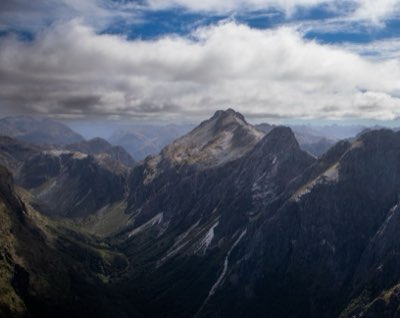
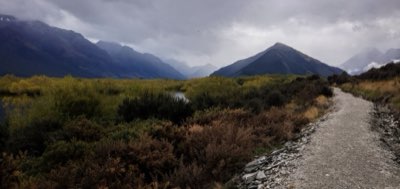
How can I visit islands with totally different weather? A hiker adjusts their gear while looking toward a misty mountain range. Finding the best way to visit islands often means preparing for the transition from the North Island's varied terrain to the South Island's more dramatic landscapes.
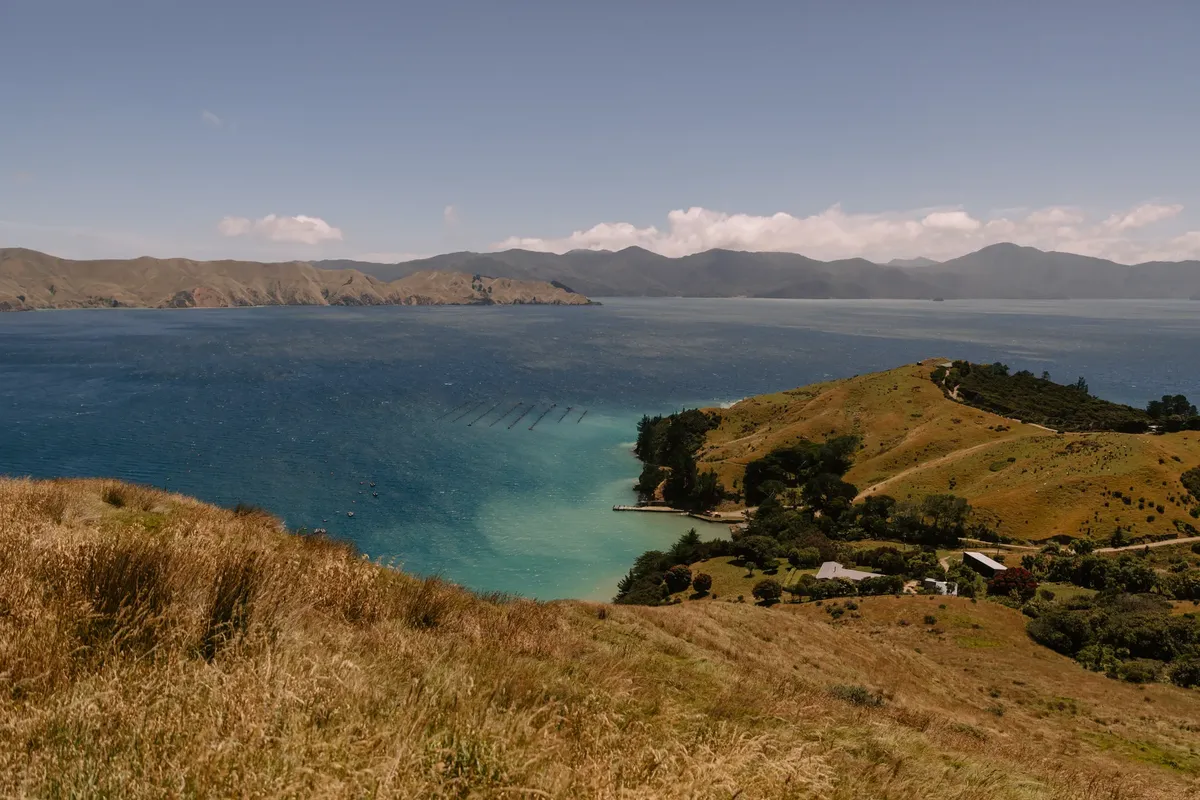
While the North Island is large, the South Island offers different environmental challenges. A traveler might arrive in Auckland and then fly to the South Island to begin a different phase of their journey.
The best way to visit islands involves matching your gear and pace to the specific island's characteristics.
A traveler arriving in Auckland plans to fly directly to Queenstown and start in the South Island for 12 days. This demonstrates how travelers often split their time between the two major landmasses.
What are the demographic considerations for travelers?
A visitor walks through a vibrant street market, observing the diverse mix of people. Understanding the cultural landscape is part of the best way to visit islands.
The North Island has a diverse population, with different ethnicities forming the majority in various districts. For example, Māori form the majority in three districts of the North Island: Kawerau (63.2%), Ōpōtiki (66.2%) and Wairoa (68.5%).
Navigating these cultural nuances enriches the travel experience.
Māori form the majority in three districts of the North Island: Kawerau (63.2%), Ōpōtiki (66.2%) and Wairoa (68.5%).
How to manage island travel cost and time?
A traveler sits at a cafe, calculating the remaining budget for the trip. Managing island travel cost and time requires a clear comparison of the North and South Islands.
The following table compares the scale and economic impact of the North Island to provide a sense of the travel environment.
| Feature | North Island Detail |
|---|---|
| Land Area | 113,729 km2 |
| GDP Contribution (2021) | 78% of national GDP |
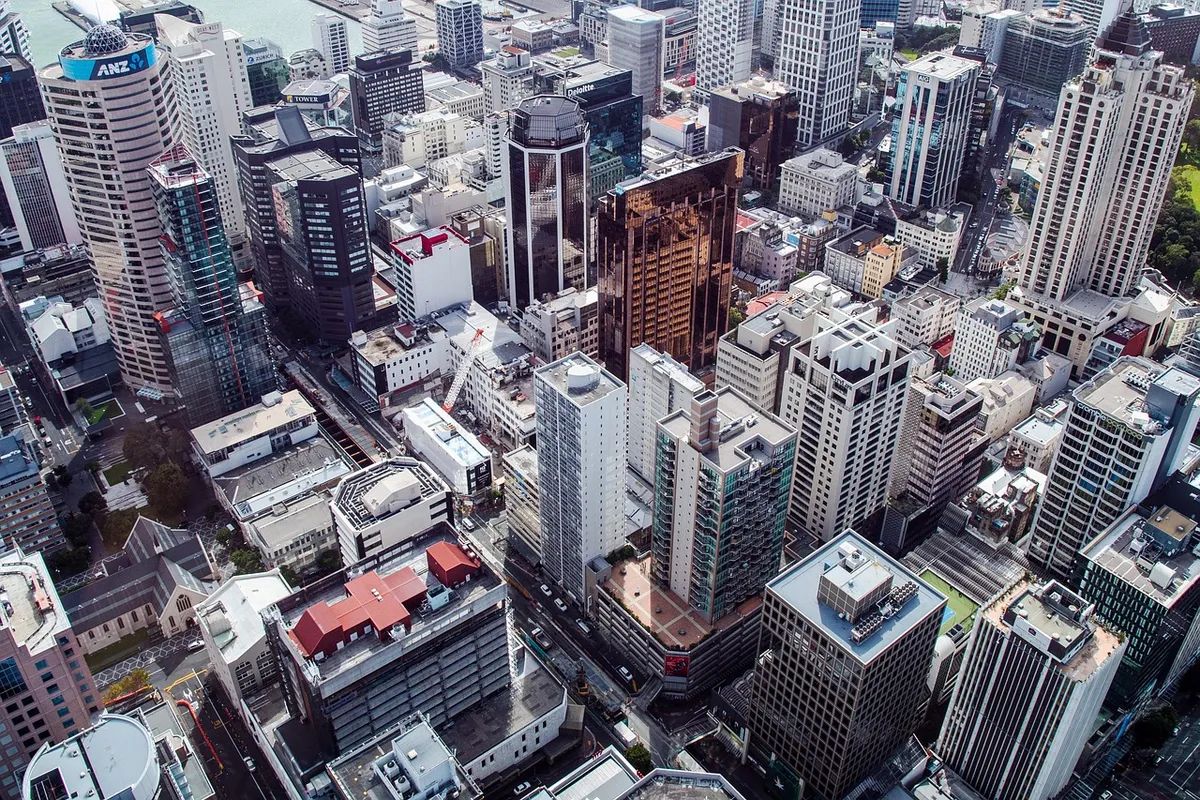
I observed that the North Island's significant GDP contribution often translates to more developed infrastructure in its 30 urban areas. Planning for island travel cost and time requires balancing the higher costs of urban hubs with the potential savings of more remote areas.
Wikipedia: New Zealand Based on the retained excerpt mentioning OECD: New Zealand ranks highly for civic participation in the political process, with 82% voter turnout during recent general elections, compared to an OECD average of 69%.
The same subject is also called Island trip itinerary guide.
This part also covers Safety and cleanliness tips.
This part also covers Popular island room reviews.
Related
- South Island 7 Day Campervan: Guide for Milford Road Trip
- Day tour selection guide: Itinerary formats affect your trip
What factors influence the pace of the journey across the North Island?
The pace of the journey across the North Island depends on the traveler's focus. If the journey emphasizes the densely populated areas, the pace can be quicker due to established transit links.
Conversely, choosing to explore more remote parts of the North Island allows for a slower, more immersive experience.
The sheer size of the North Island, covering 113,729 km2, allows for varied pacing. Focusing on the 30 urban areas with large populations allows for efficient movement between major centers. Conversely, dedicating time to less visited regions necessitates a deliberate, slower travel rhythm.
When should a traveler consider the demographic makeup of the North Island?
A traveler should consider the demographic makeup of the North Island when planning stops in specific districts. For instance, if the journey involves Kawerau, Ōpōtiki, or Wairoa, the traveler enters regions where Māori form the majority.
This awareness allows travelers to appreciate the local culture.
The cultural richness found in the North Island is tied to its population distribution. Acknowledging the majority Māori presence in those three specific districts enhances the travel experience beyond mere transit. This cultural context adds depth to the journey across the North Island.



Comments 0