North Island travel guide: Economic importance of region
"The North Island is a vast expanse of diverse landscapes and cultural history, requiring careful preparation for any traveler."
This North Island travel guide provides essential information regarding geography, population density, and regional characteristics to help you prepare for your journey. You will learn about the scale of the island, the demographic landscape, and the economic importance of the region.
This guide covers essential geographic facts, demographic shifts, and regional data to ensure you are ready for your trip.
How large is the North Island?
A traveler stands at a scenic lookout, looking over a vast expanse of rolling green hills that seem to stretch toward the horizon. Understanding the scale of the terrain is the first step in any North Island travel guide.
The North Island covers an area of 113,729 km2 (43,911 sq mi), making it the world's 14th-largest island. This massive landmass constitutes 43% of New Zealand's total land area.
With such a significant area to cover, your itinerary must account for travel times between regions. The sheer size of the land means that moving from one end to the other requires careful planning.
How is the population changing? North Island travel guide A traveler walks through a bustling city street, observing the diverse mix of people moving through the urban center. Understanding the population helps in navigating the social landscape of the North Island must see locations.
The North Island had a population of 3,808,005 at the 2023 New Zealand census. This represented an increase of 213,453 people (5.9%) since the 2018 census, and an increase of 570,957 people (17.6%) since the 2013 census.
As populations grow, urban centers become more vibrant and crowded. Travelers should prepare for varying levels of density depending on whether they are in metropolitan hubs or rural districts.
How is the population distributed?
A traveler looks at a map spread across a wooden table, tracing the lines of different districts and coastal regions. Understanding how people live across the island is a key part of Travel North Island tips.
At the 2023 census, 63.1% of North Islanders identified as European (Pākehā), 19.8% as Māori, 10.6% as Pacific peoples, 19.3% as Asian, 1.9% as Middle Eastern/Latin American/African, and 1.1% as other ethnicities.
Note that percentages add to more than 100% as people can identify with more than one ethnicity.
The demographic makeup varies significantly by district. For instance, Māori form the majority in three districts of the North Island: Kawerau (63.2%), Ōpōtiki (66.2%) and Wairoa (68.5%).
How important is this region's economy? A traveler watches the busy activity at a shipping port, where large vessels move goods in and out of the harbor. The economic strength of the region influences the infrastructure and services available to visitors.
The sub-national GDP of the North Island was estimated at NZ$ 282.355 billion in 2021, which accounted for 78% of New Zealand's national GDP. This economic concentration supports much of the country's infrastructure.
With such a high percentage of the national GDP concentrated here, travelers will find well-developed services in many areas. However, the distribution of wealth and resources can vary between urban and rural zones.
How diverse are the local communities?
A traveler sits in a local cafe, listening to the various languages and accents spoken by the people around them. Recognizing the cultural diversity is essential for any North Island packing list preparation.
The proportion of North Islanders born overseas at the 2018 census was 29.3%. The most common foreign countries of birth included England (15.4% of overseas-born residents), Mainland China (11.3%), India (10.1%), South Africa (5.9%), Australia (5.5%) and Samoa (5.3%).
This diverse background creates a rich cultural tapestry for visitors to experience. Travelers should be prepared to encounter a wide variety of customs and traditions.
What are the urban characteristics?
A traveler enters a bright, modern terminal, seeing the organized flow of people and transport. The presence of many urban centers defines the connectivity of the island.
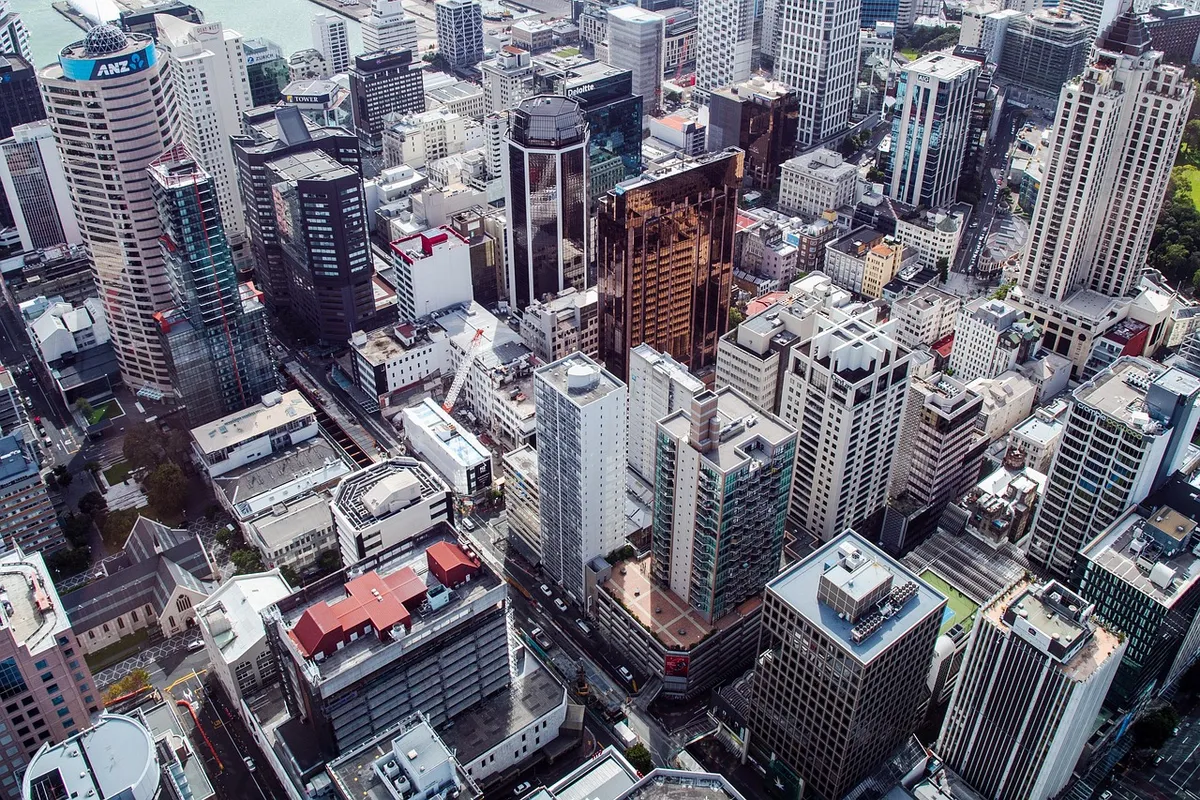
There are 30 urban areas in the North Island with a population of 10,000 or more. These hubs serve as vital connection points for travelers moving through the region.
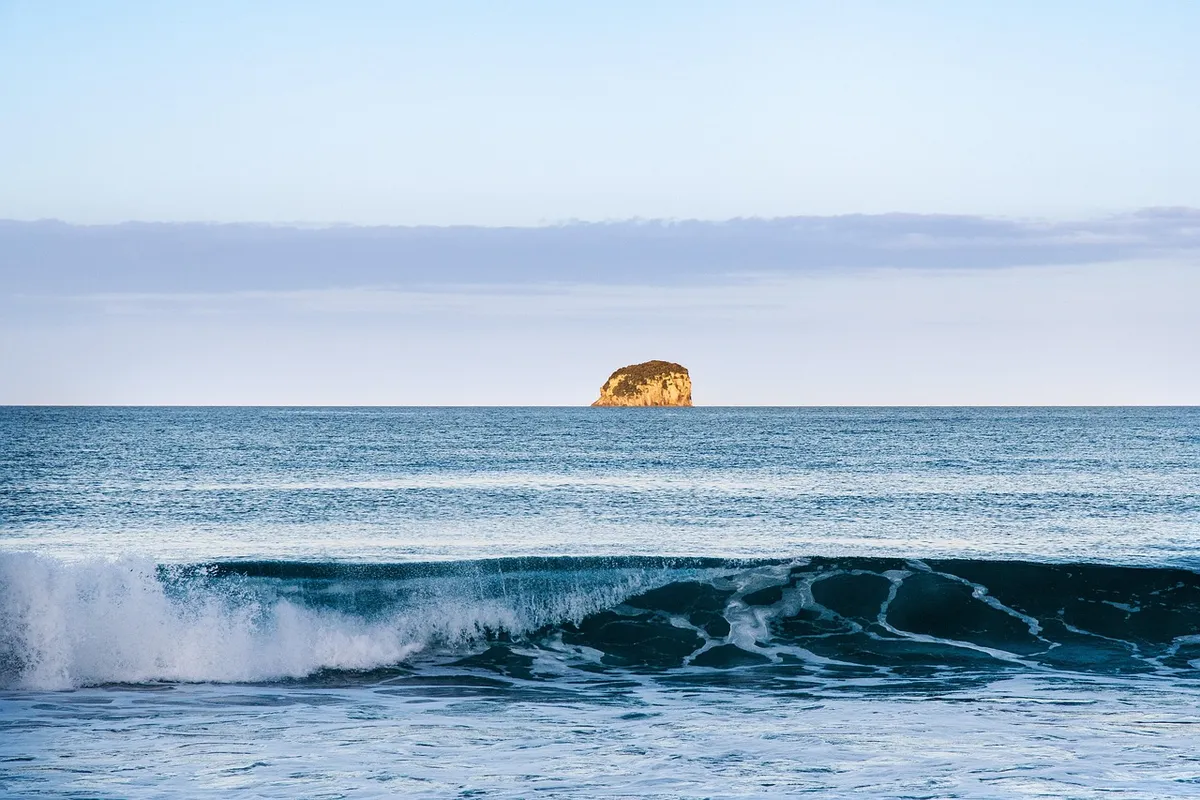
While many areas are urbanized, much of the island remains rural. Travelers should be prepared for the transition between high-density cities and quiet natural landscapes.
Wikipedia: New Zealand Based on the retained excerpt mentioning OECD: New Zealand ranks highly for civic participation in the political process, with 82% voter turnout during recent general elections, compared to an OECD average of 69%.
- How large is the North Island?
- What are the population trends?
- How is the population distributed?
The same subject is also called Visit North Island now.
This part also covers North Island entry rules.
This part also covers Safe travel advice.
Related
- Coffee grind size guide affects cup quality 93
- South Island 7 Day Campervan: Guide for Milford Road Trip
What are the regional variations within the North Island?
The North Island exhibits distinct characteristics across its various districts, affecting the traveler's experience. The demographic makeup differs considerably between the bustling coastal areas and the more sparsely populated inland regions.
Travelers moving through the North Island should note that the economic productivity varies, as seen in the concentration of the national GDP in certain localities. This concentration influences the level of modern amenities available to visitors.
Furthermore, the cultural blend, evidenced by the percentage of overseas-born residents, contributes to the unique flavor of the North Island communities. This diversity is a key aspect of the overall journey.
How does the North Island compare to the rest of New Zealand?
The North Island contributes significantly to the national picture, both geographically and economically. The island's landmass represents a substantial portion of the entire country's territory. Economically, the North Island drives a large fraction of the nation's total output.
The scale of the North Island's land area, at 113,729 km2, shows its immense physical presence. This large size dictates the need for travelers to budget ample time for transit across the island.
The economic output generated by the North Island, estimated at NZ$ 282.355 billion in 2021, demonstrates its vital role in the national economy. This high concentration of GDP reflects the development found in the region.
What are the implications of the demographic shifts?
The changing population profile of the North Island shapes its modern character. The influx of residents born outside the country adds layers to the cultural fabric. This demographic movement impacts the local scene visitors encounter.
The presence of varied ethnicities, including European, Māori, Pacific, Asian, and others, defines the modern community. The percentage of residents born overseas indicates a globalized aspect to the North Island lifestyle.
The density of population varies greatly, meaning the experience of the North Island differs between crowded cities and sparsely populated rural areas. Travelers must adjust expectations based on where they are journeying.


Comments 0