Coffee grind size guide affects cup quality 93
"Coffee is brewed by placing coarsely ground coffee in the empty beaker and adding hot water."
Travelers should consider the differences between filtered and cafetière brewing to manage taste and health preferences.
How should I prepare coffee for my NZ travel alt coffee guide?
A traveler stands in a kitchen, pouring steaming water over dark grounds in a glass beaker. To achieve a proper brew, you should place coarsely ground coffee in an empty beaker and add hot water at a temperature between 93–96 °C (199–205 °F).
Maintaining these specific ratios ensures the strength of the brew remains consistent.
Successful brewing relies on the balance between the grind size and the thermal energy of the water.
What are the differences in NZ coffee choice factors?
A person examines two different coffee carafes sitting on a wooden countertop. When evaluating NZ coffee choice factors, one must look at how the equipment handles the coffee grounds.
In a standard design, the mesh piston of a cafetière normally does not compress the coffee grounds because most designs leave a generous space of about 30 mm (1 in) below the piston in its lowest position. This space allows the grounds to circulate.
Understanding this mechanical gap helps in managing the extraction process during a trip.
According to World Bank, the 2021 record includes 28.9%.
How does a Vegan coffee NZ trip affect my brewing routine?
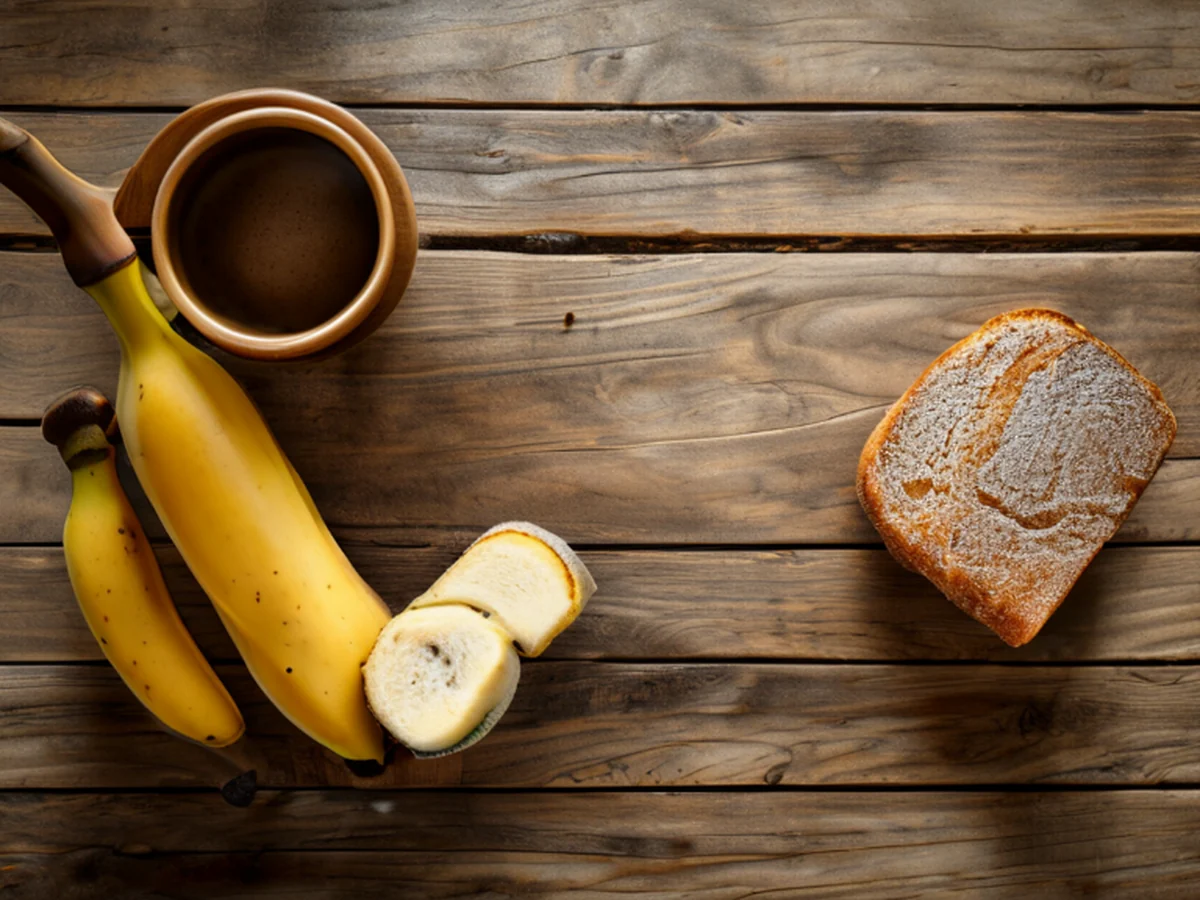
A traveler prepares a plant-based breakfast while setting up a small brewing kit. If you are managing a Vegan coffee NZ trip, you might experiment with different extraction methods to find the best flavor profile without dairy.
One way to explore flavors is through a taste test NZ coffee approach, comparing how different filtration methods change the mouthfeel. You might also engage in a cost comparison travel exercise to see how much specialized equipment adds to your budget.
Reviewing alt coffee NZ options allows for more flexibility when staying in remote areas.
How will my coffee affect my health while traveling? A traveler reads a health journal while sipping a warm beverage in the morning. When considering traveler coffee must-haves, it is important to note how different brewing methods affect the body.
Research indicates that consumption of five to six strong cups (0.9 litres) a day of either cafetière or filtered coffee for 24 weeks can lead to different physiological results.
For instance, cafetière coffee raised alanine aminotransferase concentration by up to 80% above baseline values relative to filtered coffee. Additionally, cafetière coffee raised low density lipoprotein cholesterol concentrations by 9-14%.
How do I manage the brewing process? An individual carefully pours water from a kettle into a coffee press. To manage the brew effectively, follow these steps:
- Place the coarsely ground coffee into the empty beaker. 2. Add hot water at the correct temperature of 93–96 °C (199–205 °F). 3. Maintain a ratio of approximately 30 g of coffee per 500 ml of water.
After completing these steps, perform a final check to ensure the water temperature has not dropped too significantly before the infusion is complete. I found that checking the thermometer was the most vital part of my morning routine.
What are the limitations of these brewing methods?

A person looks at a small coffee kit and realizes it cannot replace a professional cafe. One limitation is that the presence of a mesh piston in certain designs means the grounds are not compressed, which may affect the strength compared to other methods.
| Brewing Method | Potential Effect | | :---k | :--- | | Cafetière | Raised alanine aminotransferase up to 80% | | Filtered | Used as a baseline for comparison |
The effectiveness of these methods depends on the specific equipment and the user's tolerance for different chemical concentrations.
Wikipedia: New Zealand Based on the retained excerpt mentioning OECD: New Zealand ranks highly for civic participation in the political process, with 82% voter turnout during recent general elections, compared to an OECD average of 69%.
World Bank Based on the retained excerpt mentioning World Bank: According to World Bank data, New Zealand recorded renewable energy share of final consumption of 28.9% in 2021.
- When planning an NZ travel alt coffee guide, understanding the nuances of brewing methods is essential for a perfect morning.
- Key takeaways include understanding temperature requirements, water-to-coffee ratios, and the specific effects of different brewing equipment on the final cup.
- The ideal proportions involve using about 30 g (1 oz) of coffee grounds for every 500 ml (17 US fl oz) of water, though this can be adjusted to taste.
The subject here is NZ travel alt coffee guide.
The same subject is also called NZ alternative brew.
This part also covers Review alt coffee NZ.
Taste test NZ coffee
Related
- South Island 7 Day Campervan: Guide for Milford Road Trip
- NZ campervan rental insurance: Guide to coverage limits
How does the brewing equipment influence the final taste of the brewed coffee?
The specific apparatus used in the brewing process dictates much about the resulting beverage. A cafetière, through its mechanical action, allows for a different extraction profile than a simple pour-over device.
This difference in extraction is what contributes to the varied physiological responses noted in studies.
The mesh piston in the cafetière does not fully compress the grounds, allowing them to move freely at the bottom. This lack of total compression contrasts with methods where pressure might be applied differently.
The quality of the final brewed coffee is therefore tied to the integrity of the chosen brewing vessel.
When should I monitor the brewing process?
Monitoring the brewing process is crucial for consistency, especially when traveling with limited resources. Before the infusion cycle is complete, a final assessment of the infusion is necessary. This check ensures that the thermal conditions remained stable throughout the infusion period.
Always confirm the water temperature has not dropped too much during the process.
What are the practical applications of these brewing variables?
- The chosen water temperature directly influences the extraction rate of the Coffee. 2. The water-to-coffee ratio controls the overall strength of the brewed beverage. 3. The physical action of the brewing equipment affects the final chemical profile of the Coffee.
These variables must be balanced to achieve a desired taste profile during travel.
What cautions should be observed during the brewing process?
- Ensure the beaker contains the coarsely ground Coffee before adding the hot water. 2. Verify the water temperature falls within the specified range before infusion begins. 3. Maintain the established proportions throughout the infusion cycle for predictable results.


Comments 0