14 Days NZ Road Trip: South to North Island Odyssey
"Two weeks is the threshold where a vacation transforms into a true odyssey through the wild landscapes of Aotearoa."
If you are debating between a single-island deep dive and a full-country circumnavigation, the 14-day window is the golden standard. It provides enough time to touch the Southern Alps and the geothermal heart of the North without living entirely behind a windshield.
Key Takeaways * The optimal 14-day structure balances the dramatic alpine scenery of the South Island with the deep cultural and geothermal heritage of the North Island.
* Choosing between a campervan and a rental car depends on your desire for self-sufficiency versus ease of movement between urban hubs. * Essential checkpoints include Milford Sound, Aoraki/Mt Cook, and the geothermal wonders of Rotorua to capture the full spectrum of New Zealand.
Why 14 Days? Mapping the Perfect NZ Road Trip
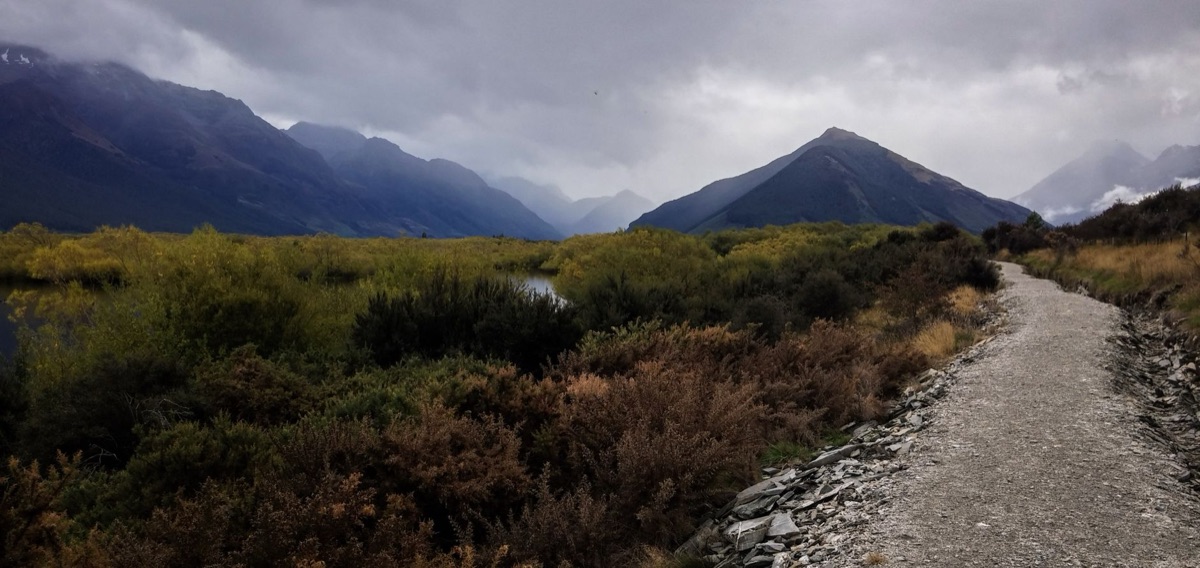
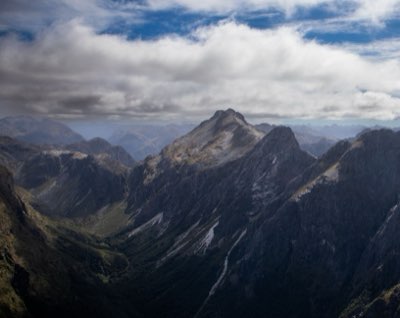
The engine hums quietly as the rental car pulls onto the highway, the vastness of the Southern Alps stretching toward the horizon like aakened spine of granite and ice. You realize then that New Zealand isn't a place you can simply "see"; it is a place you must move through.
The South Island demands the lion's share of your energy and time. For the first seven days, the focus should remain on the high-impact southern circuit. This segment is designed to tackle the heavy hitters: Queenstown, the Fiordland wilderness, and the Southern Alps.
By dedicating a full week to the South, you allow for the necessary "buffer time" required when navigating winding mountain passes and unpredictable weather.
When I first attempted a similar route in the spring of 2024, a single washed-out road delayed my progress by 6 hours, proving that flexibility is as vital as the itinerary itself.
A critical checkpoint during this first week is the timing of your Milford Sound cruise. If you attempt to drive from Queenstown to Milford and back in a single day, you will spend more time staring at the asphalt than at the waterfalls.
Instead, use the South Island leg to transition through scenic hubs like Tekapo and Mt Cook, ensuring you have time for a midday hike or a lakeside coffee.
The transition from South to North is the most vital logistical pivot. While driving between islands is impossible, flying from Queenstown or Christchurch to Auckland is a seamless way to reset. This leaves the final seven days for the North Island immersion.
Here, the landscape shifts from glacial peaks to volcanic plateways and lush greenery. You will cover the cultural depth of the North, moving from the urban energy of Auckland through the geothermal activity of Rotorua and the cinematic landscapes of the Waikato.
The shift in scenery is jarring and beautiful, moving from the ruggedness of the South to the living history of the North. But choosing how you move through these landscapes is where the real decisions begin.
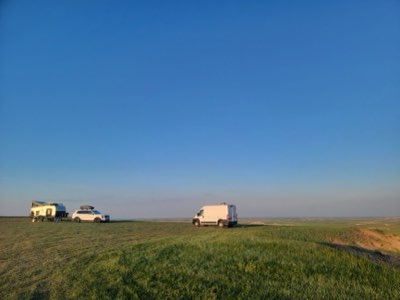
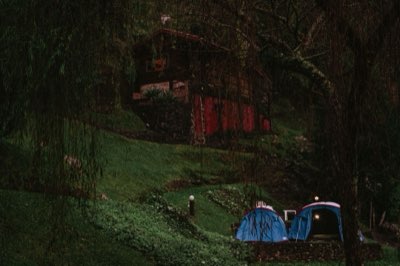
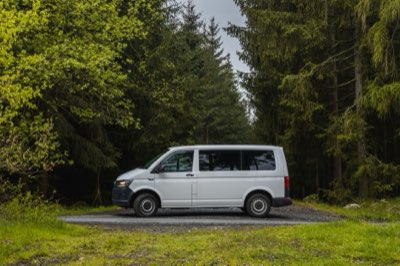
Should I rent a campervan or a car in New Zealand? The smell of fresh coffee fills the small, cramped kitchen of the campervan as the sun rises over a misty forest clearing. You pull the curtain back to find a world of green, and you realize your bedroom has moved locations overnight.
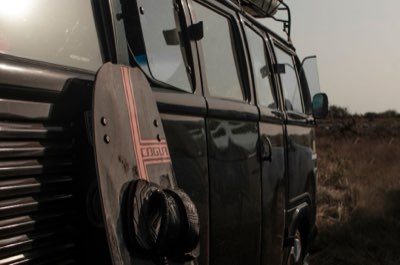
When deciding on your mode of transport, you must weigh self-sufficiency against convenience. A campervan offers a mobile basecamp, allowing you to wake up in the heart of nature.
However, it requires more logistical planning, such as booking specific "Holiday Parks" for water and power hookups and managing the extra time needed for setup and breakdown each day.
In contrast, a rental car paired with pre-booked hotels or lodges offers much higher mobility and speed. If your 14-day itinerary is packed with long-distance driving, a car and a hotel will likely be more comfortable and time-efficient.
Regardless of your choice, certain driving realities are non-negotiable. New Zealanders drive on the left side of the road, and the right-hand drive mechanics of your vehicle will require an adjustment period.
You must be prepared for narrow, winding roads and gravel sections, especially when heading toward remote scenic spots. Seasonal reversals are also a factor; winter brings ice and snow on alpine passes, while summer can bring intense heat and heavy tourist traffic.
Choosing the right vehicle is the difference between a smooth journey and a constant struggle against logistics.
| Feature | Campervan | Rental Car + Hotel |
|---|---|---|
| Flexibility | High (Sleep anywhere legal) | Moderate (Fixed locations) |
| Ease of Travel | Lower (Slower driving/setup) | Higher (Faster transit) |
| Cost Structure | All-in-one (Fuel/Food/Sleep) | Split (Rental/Hotel/Food) |
| Best For | Nature lovers and slow travelers | Sightseers and urban explorers |
The choice between a van and a car dictates your entire daily rhythm. But once you are on the road, how do you decide what to actually do?
What are the must-do activities and experiences? The wind whips through your hair as you stand on the edge of a suspension bridge, the roar of a distant waterfall echoing through the canyon. The adrenaline is a sharp contrast to the quiet stillness of the mountain lakes you visited the day before.
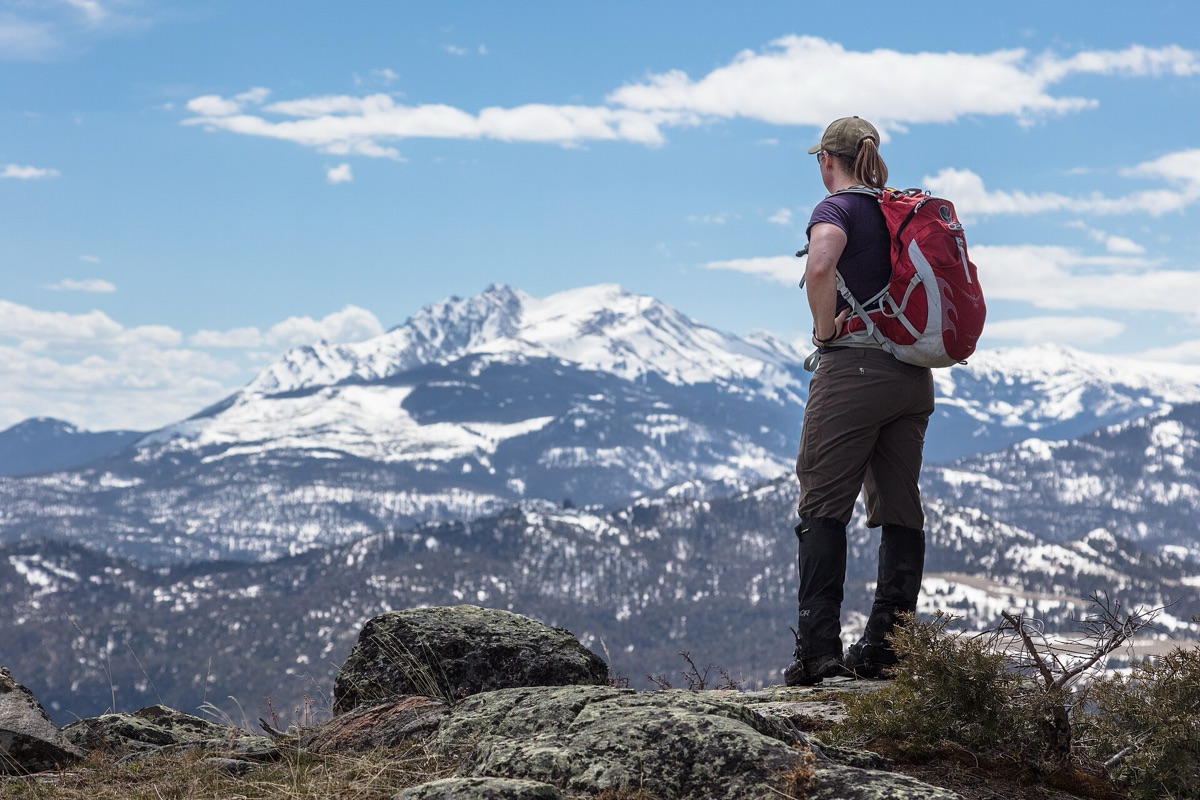
To make the most of a 14-day trip, you must balance high-impact adventure with moments of quiet observation. In the South Island, the "outdoor spirit" is best captured through activities like bungee jumping in Queenstown or trekking the Grade Track hikes in the Southern Alps.
For the scenic highlights, such as Milford Sound, booking a professional cruise is often better than attempting a self-guided trek, as the maritime expertise of the guides provides context that a solo traveler might miss.
In the North Island, the focus shifts toward the unique geological and cultural landscape. The geothermal activity in Rotorua and the cinematic beauty of the Hobbiton movie set offer a different kind of wonder.
These activities tie the itinerary together, moving from the physical challenge of the South to the visual and cultural immersion of the North.
Integrating the local DNA is essential. The Māori culture is woven into the land itself. Visiting sites with significant cultural history allows you to understand the spiritual connection the indigenous people have with the environment, providing a depth that goes beyond mere sightseeing.
The transition from adrenaline-pumping adventure to cultural discovery defines the rhythm of the trip. However, even the best plans can be derailed by the fine print of arrival and regulation.
Practicalities of Arrival & Journey Flow
The sterile, bright lights of the international arrivals hall feel worlds away from the rugged mountains you just left. You stand in line, checking your bags and your documents, feeling the weight of the journey ahead.
According to World Bank data, New Zealand recorded international tourist arrivals of 996,000 in 2020. New Zealand ranks highly for civic participation in the political process, with 82% voter turnout during recent general elections, compared to an OECD average of 69%.
The first hurdle for any visitor is the arrival and biosecurity process. New Zealand has some of the strictest biosequity laws in the world to protect its unique ecosystem. When you land, you must be prepared to declare any hiking boots, camping gear, or organic materials you are carrying.
Failure to comply with these regulations can lead to significant fines and delays. Always ensure your gear is cleaned of all soil and seeds before you arrive.
Logistically, the flow of a 14-day trip should follow a "heavy to light" pattern. Start with the most physically and mentally demanding leg—the South Island—while your energy levels are at their peak.
Use the North Island leg to wind down, focusing on culture, gardens, and slightly more relaxed pacing before your flight home.
- Clear Biosecurity: Declare all organic materials and clean gear to avoid fines and protect the ecosystem.
- Launch the South Island Loop: Maximize your peak energy on the rugged, high-activity landscapes.
- Execute the Domestic Flight: Use a quick flight to bridge the gap between islands and reset your logistics.
- Engage in North Island Exploration: Transition to cultural and geothermal immersion.
- Final Departure via Auckland: Conclude the journey through the major international hub.
A well-planned route ensures that the logistics never overshadow the beauty of the destination.

Comments 0