NZ Plates: Legal IDs for Safe Road Travel in New Zealand
"The right plate makes the right impression, but the right driving habits keep you alive."
Navigating New Zealand's winding roads requires more than just a sense of adventure; it requires a clear understanding of local legal standards.
If you are driving a campervan from Queenstown to Milford Sound, knowing how to identify your vehicle and follow road etiquette is your first step toward a safe journey.
* Mandatory Compliance: Proper plate display is a legal requirement for all vehicles operating on New Island roads. * Etiquette Matters: Balancing local driving customs, like left-side driving, with your own habits is essential for safety. * Verification First: Always ensure your vehicle's registration matches its physical plates before hitting the highway.

What does my NZ license plate actually identify? At dawn in the dusty rental lot, I squinted at the metal plate while the cold wind brushed against my face.
I remember standing in a rental lot in Christchurch in early 2025, looking at a heavy-duty 4WD campervan, wondering if the plates looked "official" enough for the rugged South Island tracks we were about to hit.
It was 10:00 AM, and the gravel crunched under my boots as I circled the vehicle, checking every corner.
It wasn't just about aesthetics; it was about knowing that every piece of equipment on that van met the legal standard for the road ahead.
The registration plate acts as the primary legal identity for any vehicle moving through New Zealand. Whether you are driving a compact sedan or a heavy-duty camper, these plates serve as the fingerprint of your vehicle in the eyes of the law.
According to technical specifications, the alphanumeric characters on current standard car plates measure 78 mm tall by 45 mm wide. This standardized sizing ensures that law enforcement and automated systems can clearly identify vehicles from a distance.
These plates are available for vehicles under and over 3500kg, standard and heavy trailers, and motorcycles and mopeds. This wide range of applications means that whether you are towing a small trailer or driving a massive motorhome, the registration system remains consistent.
Properly identifying your vehicle is not just a formality; it is a requirement for roadworthiness checks and legal operation. If the numbers don't match your documents, you aren't just looking at a fine—you are looking at a major disruption to your travel plans.
But having the right numbers is only half the battle; where they are placed matters just as much.
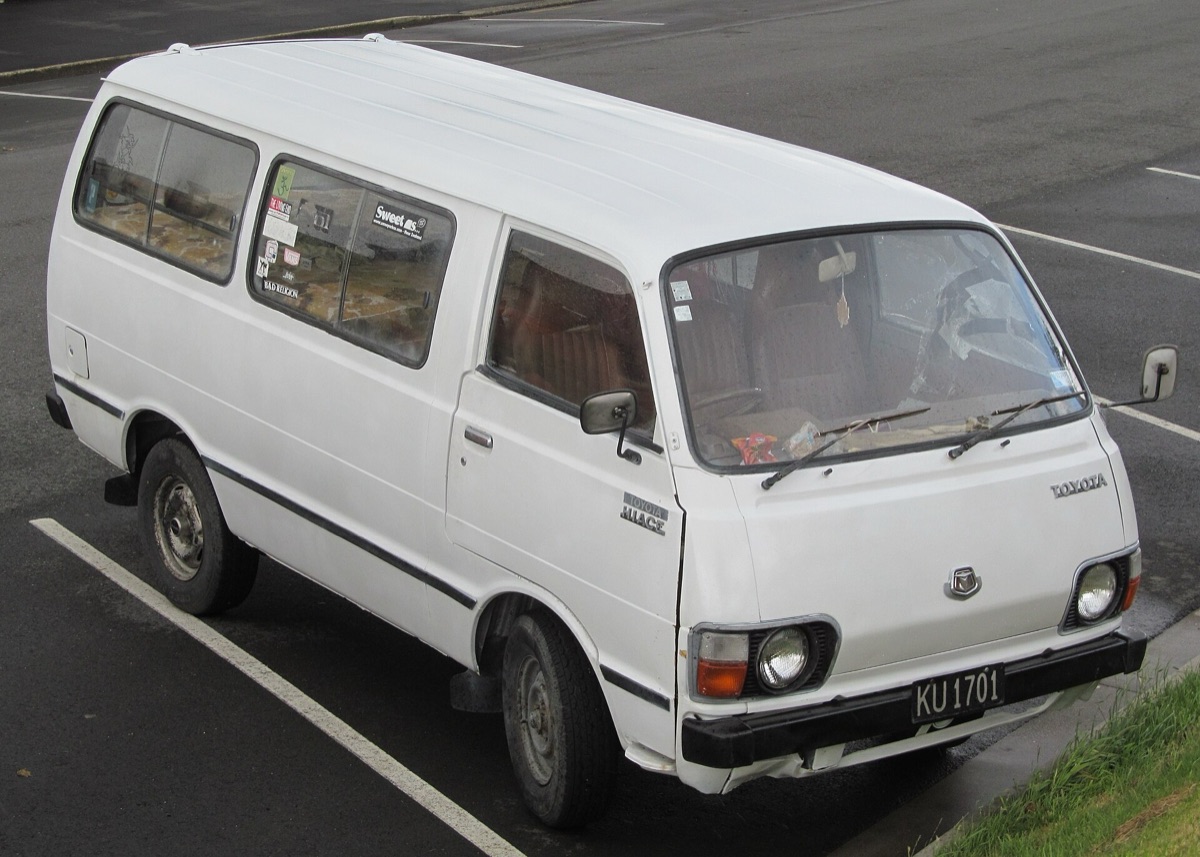
Where and How Must Plates Be Affixed During Road Use?
The sun was dipping low over Lake Tekapo in late 2025, casting long shadows across the gravel driveway of our holiday park, and I realized I had nearly bumped the rear plate with a heavy suitcase. It was 6:30 PM, and the sudden metallic clink made me pause.
It was a small moment, but it sparked a realization: a plate that is slightly crooked or obscured is a legal liability.
In New Zealand, plates must be placed in specific, legally mandated locations—typically at the front and rear of the vehicle—to ensure maximum visibility. They must be clearly visible to oncoming traffic and law enforcement at all times.
The condition of the plates is just as important as their location. They must be clean, legible, and securely mounted to the vehicle. If a plate is covered in thick mud from a gravel road or is bent from a minor bump, it fails to meet the legal standard for visibility.
For travelers, there is a distinction between rental and personal compliance. While a rental company is responsible for providing a legal vehicle, the driver is responsible for ensuring the plates remain unobstructed during the trip.
If you are driving a campervan, ensure that any aftermarket accessories, like bike racks or spare tire covers, do not hide the registration numbers.
Before you set off on a long stretch of highway, perform a quick check. Confirm that the plate numbers physically attached to your vehicle match the registration documents provided by your rental agency.
However, even with perfect plates, the rules of the road can still catch you off guard.
What is the essential etiquette for the road? I remember the first time I sat in the driver's seat of a right-hand drive vehicle in 2025. The urge to turn left when I meant to turn right was almost instinctive, a momentary lapse that felt much more dangerous on a narrow, winding road than it would have back home.
The most critical piece of etiquette is adhering to the left side of the road. Because New Zealand uses right-hand drive vehicles, you must remember that the driver sits on the right, and traffic flows on the left. This is often the biggest hurdle for international visitors.
Road conditions in New Zealand can change in an instant. You will encounter everything from smooth highways to narrow, winding gravel roads, especially in regions like Otago or Southland.
High-speed driving on these surfaces is dangerous; local etiquette dictates that you yield to slower-moving vehicles and maintain a safe distance.
Situational awareness is key, particularly on the South Island where mountain passes can be unpredictable. Drivers are expected to be cautious, signaling clearly and respecting the limited visibility on many rural routes.
The local driving culture is a blend of high-tech infrastructure and rugged, old-school caution. While the highways are well-maintained, the "adventure" aspect of New Zealand driving means you must always be prepared for narrow bridges, steep gradients, and unpredictable weather.
But what happens when you are actually behind the wheel and preparing for departure?

Pre-Trip Compliance Checklist: Before You Drive
As I packed my bags for a trek through the Southern Alps in early 2026, I made a list of everything that needed to be verified before we left the driveway. It was 8:00 AM, and I sat at the small wooden dining table of our rental cottage, pen in hand, looking over my notes.
It wasn't just about snacks and maps; it was about making sure our legal "paper trail" was as solid as our itinerary.
Before you turn the key, follow these steps to ensure you are road-ready:
- Verify Registration: Ensure that the vehicle's registration is current and that the numbers on the plates match your rental agreement or ownership papers exactly.
- Document Check: Always carry your rental agreement, insurance papers, and a digital or physical copy of your driver's license. If you are pulled over, having these documents ready and matching the vehicle's plates will make the interaction much smoother.
- Obstruction Inspection: Check that bike racks, luggage carriers, or spare tires do not obscure the license plates.
- Cleanliness Check: Ensure plates are free of mud, dust, or debris that might prevent clear reading by law enforcement.
- Equipment Audit: Check that all lights, signaling-devices, and wipers are functioning before heading into remote areas.
There is also a connection between vehicle compliance and New Zealand's strict biosecurity laws. Just as your vehicle must be legally registered, your gear must be clean of organic matter to pass through customs. A clean, compliant vehicle is part of a responsible traveler's toolkit.
Finally, remember the seasonal reversal. If you are traveling from the Northern Hemisphere, remember that New Zealand's seasons are opposite. A summer road trip requires different vehicle checks—like tire pressure and cooling systems—than a winter trek through the snow.
| Feature | Standard Car Plate | Heavy Vehicle/Trailer Plate |
|---|---|---|
| Character Height | 78 mm | Varies by weight class |
| Character Width | 45 mm | Varies by weight class |
| Primary Use | Passenger vehicles | Trucks, heavy trailers, mopeds |
| Visibility Requirement | High (Front & Rear) | High (Front & Rear) |





Comments 0