Activity choice criteria: Guide for adventure planning
Selecting the right adventure requires balancing personal interest with logistical realities. This guide helps travelers navigate various options by focusing on physical readiness, budget, and environmental constraints.
Key takeaways: * Assess physical ability against the intensity of the activity. * Coordinate schedule and cost to maximize travel time. * Understand local land management and environmental regulations.
How to establish activity choice criteria?
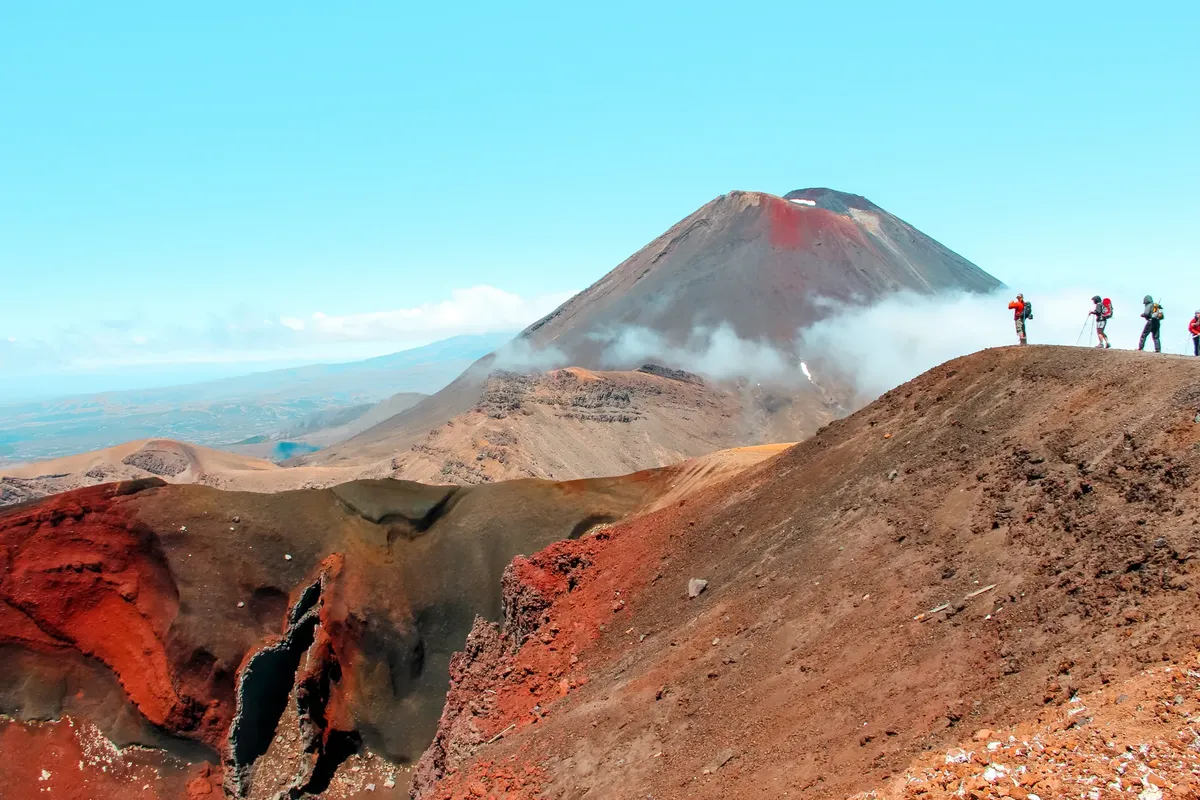
A traveler stands at a trailhead, looking at a steep mountain path and a flat valley walk. Deciding between these two paths requires a clear understanding of personal limits and the intended goal of the trip.
Effective activity choice criteria involve evaluating your physical stamina against the difficulty of the terrain. A trip activity guide should always prioritize safety over thrill, ensuring that the chosen engagement matches the participant's current fitness level.
If you select a high-intensity trek without proper preparation, the risk of injury increases significantly.
A well-rounded approach also includes understanding the geography of the destination. For instance, the Department of Conservation is responsible for managing 8.5 million hectares of public land in New Zealand, which accounts for approximately 30% of the total land area.
Navigating such vast spaces requires careful planning regarding accessibility and permit requirements.
What are the best ways to select best activity options?
A tourist sits in a bright cafe, scrolling through a digital map of local hiking trails and coastal tours. They must decide whether to spend their limited time on a single deep immersion or multiple quick excursions.
To select best activity options, you must align the activity with your travel group's interests. For solo travelers, self-paced exploration might be ideal, while groups may prefer structured tours. A well-planned itinerary balances adventure with necessary rest periods to prevent burnout.
Budgeting is another critical component of the selection process. You should compare the cost of guided tours against self-guided exploration to see which fits your financial plan. A balanced budget allows for both organized excursions and spontaneous local discoveries.
How to manage activity cost time effectively?
An explorer checks their watch while standing at a busy ferry terminal, calculating the time needed to reach a remote island. They must weigh the cost of a fast boat against the slower, cheaper local ferry.
Managing activity cost time means recognizing that time is a finite resource during any trip. You should prioritize activities that offer the highest value for the duration they require.
For example, a long-distance drive to a scenic viewpoint might consume an entire day, so it must be worth the travel effort.
Consider the following comparison to help manage your schedule:
| Category | High-Intensity Activity | Low-Intensity Activity |
|---|---|---|
| Time Investment | Requires significant preparation and transit time. | Often easier to fit into a tight schedule. |
| Physical Demand | High energy expenditure needed. | Allows for more frequent breaks. |
I found that comparing these two categories helped me decide when to push my limits and when to take it easy.
What are the best group activity ideas?
A family gathers around a wooden table, debating whether to go white-water rafting or visit a local museum. Each person has a different energy level and interest.
When looking for group activity ideas, focus on tasks that allow for social interaction. Group activities can bridge the gap between different age groups or interests within a single party.
Choosing activities that offer shared experiences, such as a guided food tour or a group hike, can create lasting memories.
To implement a successful group plan, follow these steps: 1. Survey all participants to identify common interests and physical limitations. 2. Create a list of potential activities that cater to both high and low energy levels. 3. Finalize a schedule that includes buffer time for unexpected delays.
- Perform a final check to ensure everyone is comfortable with the chosen plan.
How to handle high thrill options safely?
A climber secures their harness, looking up at a sheer rock face while the wind whistles through the peaks. The excitement of the height is palpable, but the focus remains on safety protocols.
If you are pursuing high thrill options, safety must be the absolute priority. These activities often involve specialized equipment and professional guides. Always verify the credentials of instructors and the quality of the gear provided.

One limitation of high-intensity adventure is that it is not suitable for everyone, particularly those with pre-existing health conditions or limited mobility.
Wikipedia: New Zealand (full) Based on the retained excerpt mentioning OECD: New Zealand ranks highly for civic participation in the political process, with 82% voter turnout during recent general elections, compared to an OECD average of 69%.
- How to establish activity choice criteria?
- What are the best ways to select best activity options?
- How to manage activity cost time effectively?
The same subject is also called Activity level safety.
This part also covers Budget activity ideas.
Related
- North Island travel guide: Economic importance of region
- Coffee grind size guide affects cup quality 93
What precautions are needed when selecting the right adventure?
Selecting the right adventure demands a rigorous adherence to safety protocols, especially when physical risk is involved. If the activity involves heights or fast-moving elements, the gear must be inspected thoroughly before commencing any journey.
This careful preparation minimizes unforeseen hazards during the pursuit of adventure.
One caution is that high-thrill pursuits are inherently restrictive regarding participant suitability. Those with mobility constraints or existing medical issues should reconsider the inherent dangers of certain undertakings.
Therefore, the initial assessment of physical ability must be exceptionally honest.
Local environmental rules also impose constraints on the adventure experience. Understanding the land management body responsible for the area dictates proper behavior regarding waste disposal and group size limits.
This adherence ensures the journey remains both enjoyable and compliant with regulations.




Comments 0