NZ Campervan Rental: Your Road to Ultimate Freedom Awaits
"The road is not just a way to get there; it is the destination itself."
A campervan trip through New Zealand offers a level of freedom that a standard hotel stay simply cannot match, allowing you to wake up to the sound of Southern Alps glaciers or the Pacific tide.
By combining self-sufficiency with the ability to move between remote landscapes and luxury holiday parks, you can tailor your journey from rugged adventure to total relaxation.
Key Takeaways * Ultimate Freedom: A campervan serves as both your transport and your sanctuary, allowing access to remote scenic spots. * Strategic Planning: Success depends on understanding driving logistics, booking the right vehicle, and respecting local camping laws.
* Balanced Experience: You can mix rugged wild camping with high-end holiday parks to balance adventure and comfort.
Why Choose a Campervan for NZ?
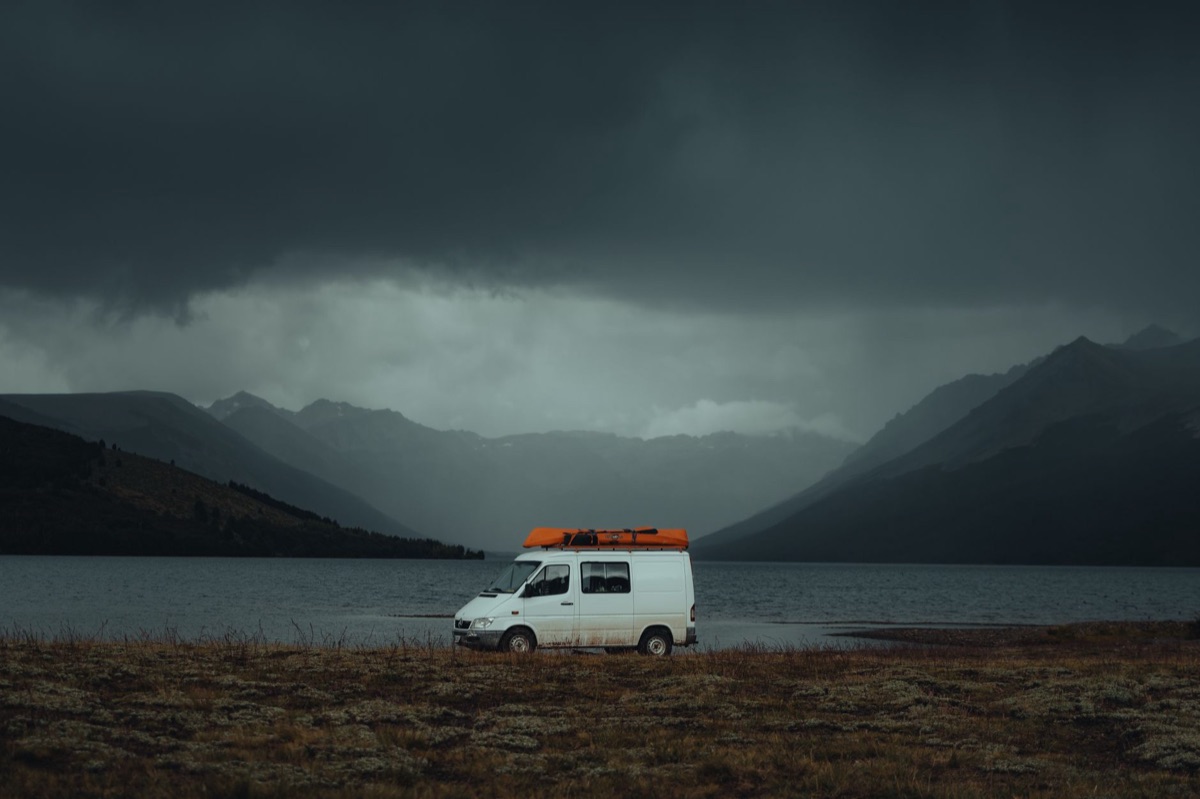
The sun was just beginning to crest over the jagged peaks of the Southern Alps when I first pulled into a gravel turnout near Lake Tekapo. There was no lobby, no concierge, and no check-in desk—just the vast, turquoise expanse of the lake and the quiet hum of the van's engine cooling down.
According to OECD data, New Zealand's healthcare allocation was about 9.6 percent of its GDP in 2023.
According to World Bank data, New Zealand recorded international tourist arrivals of 996,000 in 2020.
Choosing a campervan over a traditional rental car transforms a vacation into an expedition. While a car requires you to hunt for hotels and stick to fixed locations, a van allows you to follow the weather and the light.
With a land area of approximately 268,000 square kilometers, the sheer scale of the country means that being able to sleep near your destination saves hours of driving and places you in the heart of the scenery.
A campervan is the perfect choice when you want to prioritize immersion over convenience. If you prefer the idea of watching the sunrise over a mountain range rather than waiting for a breakfast buffet, the van is your best tool.
| Feature | Campervan Rental | Traditional Hotel/Rental Car |
|---|---|---|
| Mobility | High: Move your "home" daily | Low: Fixed locations and transit time |
| Cost Efficiency | High: Combines transport and lodging | Moderate: Separate costs for car and room |
| Access | High: Can reach remote scenic areas | Moderate: Limited to urban/tourist hubs |
| Comfort | Variable: Depends on vehicle size | High: Consistent amenities and service |
Choosing the right mode of travel depends on whether you want to see the landscape or live within it. But choosing the vehicle is only the first step; the real challenge lies in the driving.
How do you navigate the winding NZ roads?
I remember the first time I navigated a winding, narrow road through the Waitaki Valley; the steering felt heavy, and the sheer drop-off to the passenger side was a heart-pounding reminder of the terrain. The road was narrow, and the shadows of the mountains made the curves difficult to judge.
Planning a route requires a clear understanding of the North and South Island dynamics. The North Island offers volcanic wonders and Maori cultural hubs like Rotorua, while the South Island is the playground for alpine landscapes and fjords.
A common "Golden Triangle" route in the South involves traveling from Queenstown through the dramatic landscapes of Milford Sound, up to the glaciers, and across to the stargazing wonders of Tekapo and Aoraki/Mt Cook.
Driving logistics are the most critical part of the planning phase. New Zealanders drive on the left side of the road, and the steering wheel will be on the right. This shift requires constant mental adjustment, especially when merging onto highways or navigating roundabouts.
Additionally, many scenic routes involve gravel roads and steep, winding passes that require a confident driver and a well-maintained vehicle. When you look at a map, remember that distances are deceptive.
A 100-kilometer stretch in the Southern Alps can take twice as long as a 100-kilometer stretch on a North Island highway due to the terrain and winding roads.
The logistics of the road dictate the rhythm of your entire journey. However, driving is just the backdrop; living in the van requires a different set of skills.
What is the secret to mastering the van life?
The smell of fresh coffee and the sound of a sliding door opening to a mountain view is the quintessential campervan morning. There is a specific ritual to it: checking the water levels, securing the stovetop, and ensuring the living area is tidy before moving to the next location.
Mastering the experience means understanding the difference between various types of accommodation and the technical requirements of the vehicle. There are two main styles of camping: staying at established Holiday Parks and "freedom camping" in designated areas.
Holiday Parks offer amenities like hot showers, electricity hookups, and dump stations, while freedom camping allows for more spontaneous, scenic stays where legal and safe.
To ensure a smooth trip, follow this essential daily checklist:
- Water and Waste: Check fresh water levels and empty the grey water tank at a designated dump station.
- Power Management: Monitor battery levels and solar input to ensure enough charge for the night.
- Gas and Cooking: Ensure the propane/gas connection is secure and the stovetop is locked before driving.
- Security and Storage: Clear the floor and secure all loose items to prevent damage during transit.
- Bugging the logistics is one thing, but the real magic happens when you know how to blend adventure with luxury.

How can you elevate the journey from camping to sanctuary?
One evening, after a long day of hiking, we traded the van's compact kitchen for a luxury lodge overlooking the Tasman Sea. The transition from the ruggedness of the road to the soft linens of a high-end retreat felt like a hard-earned reward.
You can elevate a campervan trip by treating it as a hybrid journey. This means using the van for the rugged, scenic stretches and transitioning to luxury hotels or lodges for periods of rest and rejuvenation.
This "best of both worlds" approach allows you to experience the wildness of the Southern Alps and the comfort of a world-class spa in the same week.
Integrating activities is the best way to make the most of your mobile base. A campervan makes it easy to reach trailheads for treks or to be parked near the coast for water sports.
For example, you can spend three days moving through the scenic routes and then book a luxury cruise through Milford Sound or a scenic flight over the glaciers to add a sense of grandeur to your adventure.
The journey should be as much about the soul as it is about the sights. Drawing inspiration from the Maori concept of *manaakitanga* (hospitality and care), you can find a sense of connection and respect in the way you interact with the land and the local communities.
Balance the adventure of the road with the peace of a sanctuary. But before you can find peace, you must deal with the reality of the border.
What are the essential pre-trip and compliance rules?
Standing at the arrivals hall, surrounded by the scent of antiseptic and the hum of travelers, the weight of the biosecurity forms felt significant. One misplaced item in a hiking boot could mean a long delay and a heavy fine.
As noted by the OECD, New Zealand allocated about 9.6 percent of its GDP to healthcare in 2023, which is slightly above the OECD average of 8.8 percent.
Before you even hit the road, you must clear New Zealand's strict biosecurity protocols. The country has rigorous rules to protect its unique ecosystem. Ensure you have declared all food, plant matter, and outdoor gear that might carry soil or insects.
Failure to comply can result in significant fines and can disrupt your entire itinerary.
Budgeting and booking timing are the final pieces of the puzzle. While spontaneity is part of the allure, booking your campervan and key holiday parks well in advance is essential, especially during the peak summer months.
Your budget should account for fuel, and campsite fees, and insurance, and the cost of activities. It is worth noting the economic scale of the industry you are entering.
Tourism is a vital part of the national economy, and in the year ended March 2019, it contributed NZ$16.2 billion to the country's GDP.
Understanding the value and the impact of tourism helps you become a more conscious and responsible visitor. Preparation is the foundation of a successful adventure.

Comments 0