8-Day Journey: Auckland Gateway to Rotorua's Thermal Core
"The land of the long white cloud is not just a place you visit; it is a place that breathes through steam and ancient song."
If you are looking for a journey that balances high-octane urban energy with the primal power of the earth, the route from Auckland to Rotorua is your definitive starting point.
This trek offers a transition from a bustling Pacific metropolis to a landscape of bubbling mud and living indigenous history.
* The journey flows from Auckland's cosmopolitan hub through to Rotorua's geothermal heartland. * The region offers deep immersion into Māori culture and unique geological activity. * Planning requires understanding the distinct character of each major stop (Auckland vs. Rotorua).
Why Choose the North Island for Your NZ Adventure?
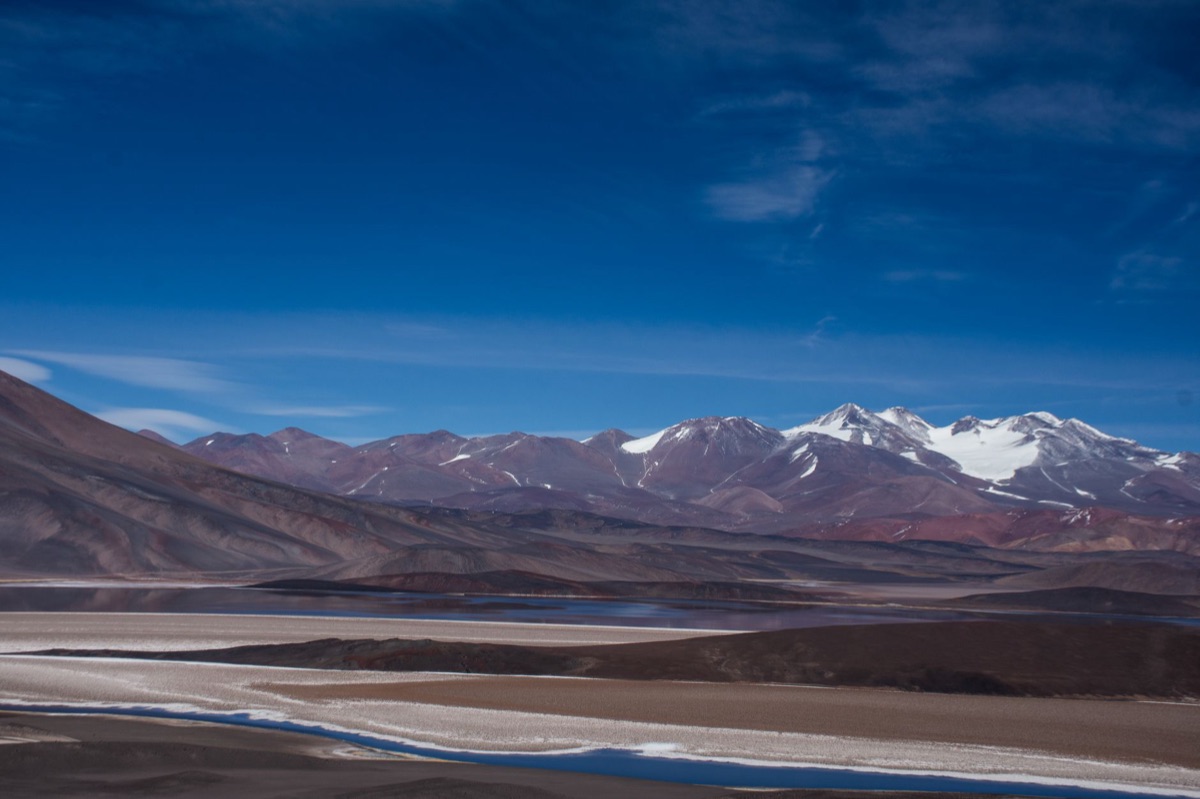
The morning sun hits the glass towers of a city before the road leads you into a landscape of volcanic craters and steaming vents. You stand on a ridge, looking out at a horizon where the blue of the ocean meets the green of the hills, realizing the scale of the terrain ahead.
According to World Bank data, New Zealand recorded international tourist arrivals of 996,000 in 2020.
The North Island serves as the cultural and economic engine of the country. While the South Island often captures the headlines for its glaciers, the North Island holds the soul of the nation through its deep Māori roots.
In certain districts, the cultural heritage is even more concentrated, such as in Kawerau where Māori make up 63.2% of the population, Ōpōtiki at 66.2%, and Wairoa at 68.5% (Wikipedia).
This presence ensures that your travel isn't just about sightseeing, but about engaging with a living history that has shaped the land for centuries.
Beyond culture, the geology is a constant protagonist. The North Island is a place of active transformation, where geothermal energy creates a surreal environment of hot springs and geysers.
This geological volatility contrasts sharply with the urban sprawl of the cities, offering a constant shift between modern comfort and wild, unpredictable nature.
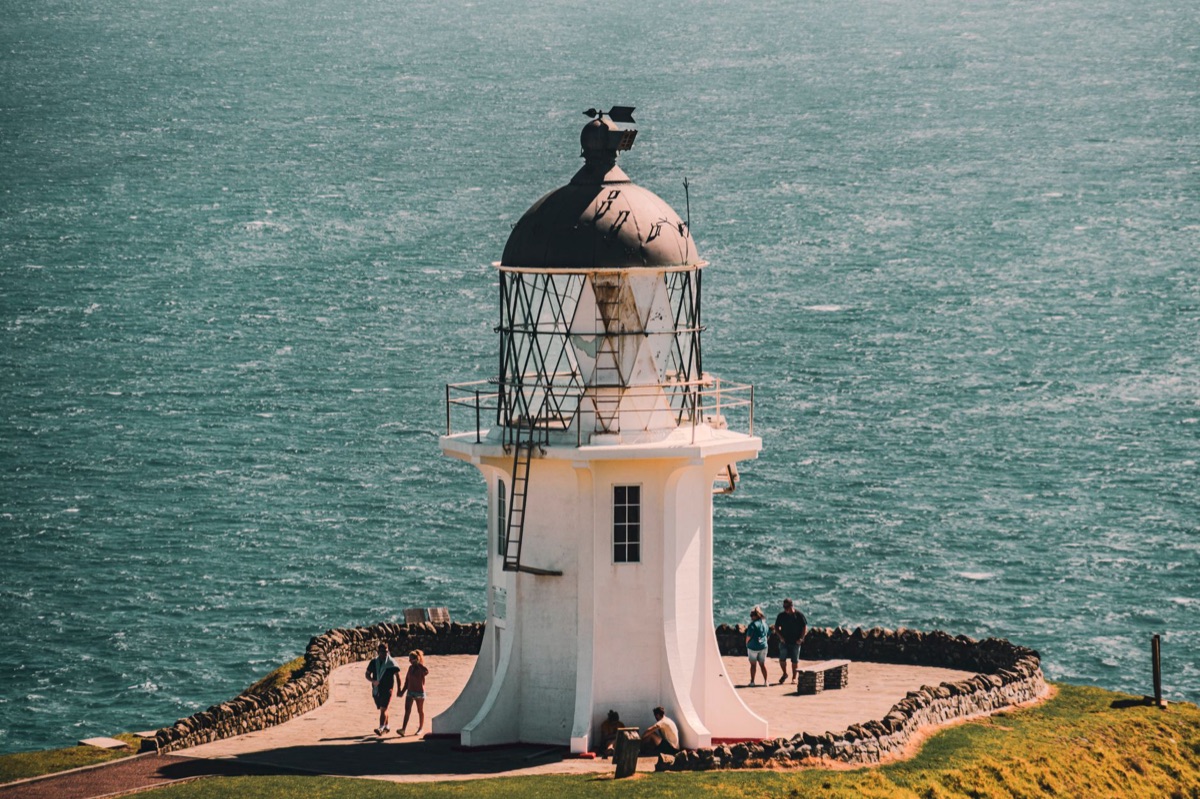
Is Auckland the gateway to Aotearoa? The smell of salt air hits you as you step out of the airport, and the sight of the Sky Tower piercing the clouds reminds you that you have arrived in a massive, sprawling metropolis.
You grab a coffee in a busy cafe, watching the morning rush of commuters navigate the hilly streets of the City of Sails.
Auckland is the indispensable starting point for almost every traveler. As a major urban center, it acts as the primary gateway to the rest of the country. The region is diverse; for example, Europeans formed a plurality in the Auckland region at 49.8% (Wikipedia).
This mix of backgrounds makes it a vibrant, multicultural hub perfect for getting your bearings before heading into the wilder parts of the country.
Because the North Island is so economically significant—with a sub-national GDP estimated at NZ$ 282.355 billion in 2021, representing 78% of New Zealand's national GDP—Auckland serves as a highly developed logistical hub (Wiki).
You will find everything you need here, from high-end campervan rentals to specialized outdoor gear, to prepare for the road ahead. Before you leave the city, take time to explore the volcanic cones like Mount Eden to understand the very geology that defines this entire island.
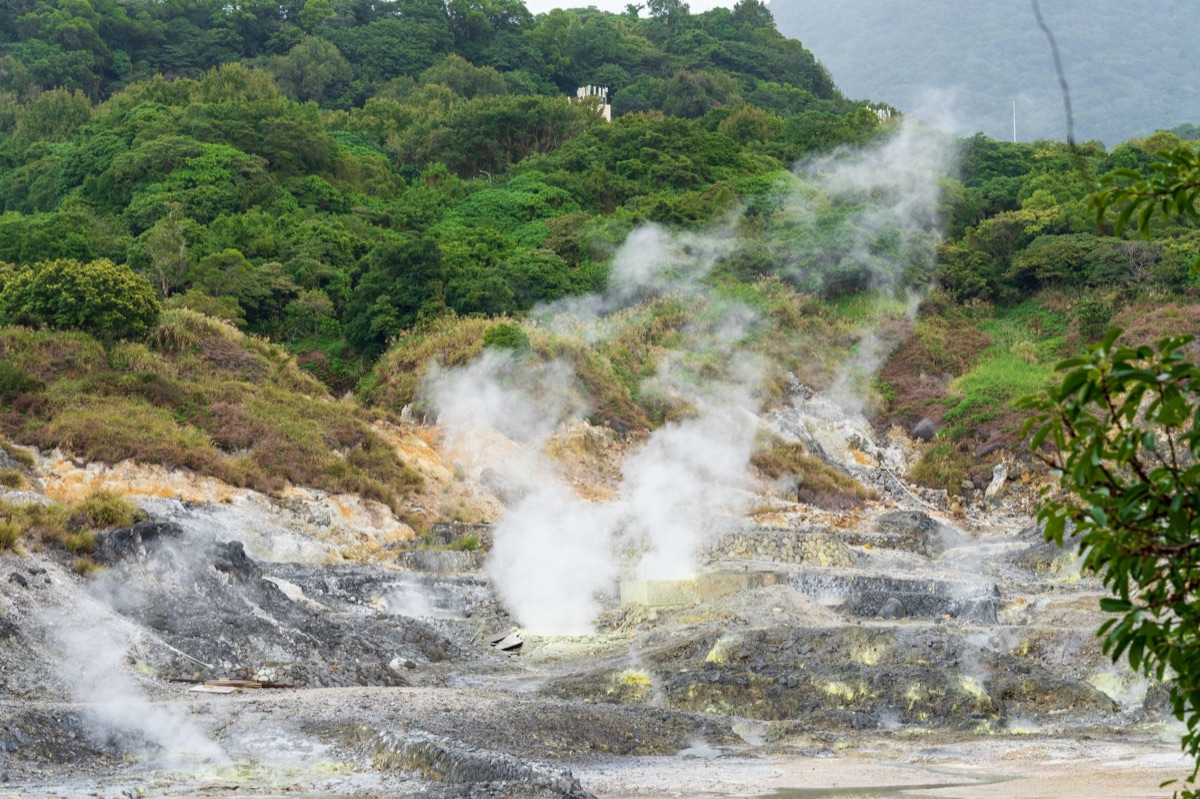
Is Rotorua the heartbeat of geothermal NZ? The air changes as you drive south; it becomes heavy with the scent of sulfur, a constant reminder that the ground beneath your feet is alive. You walk along a wooden boardwalk, the sound of bubbling mud pools and the hiss of steam vents filling your ears.
Rotorua is a sensory explosion. It is one of the few places on earth where you can witness intense geothermal activity up close. The landscape is dotted with geysers that erupt with startling regularity and pools of water in shades of turquoise and ochance that look almost otherworldly.
It is a place of constant movement and heat.
This geothermal energy is inextricably linked to the local Māori culture. Unlike a museum, the cultural experiences here often feel like a direct engagement with a living community.
Visiting traditional villages allows you to see how the people have utilized the heat of the earth for cooking and wellness for generations.
For those looking for a deep dive, the combination of natural wonders and authentic cultural storytelling makes Rotorua a non-negotiable stop on any North Island itinerary.
Planning Your North Island Road Trip (The Flow)
You sit at a wooden table in a roadside cafe, spreading a paper map across the surface and marking your route with a heavy pen. The transition from the city's paved streets to the winding, tree-lined highways of the central plateau requires a change in mindset.
To make the most of this route, you must balance your pace. A common mistake is trying to rush from Auckland to Rotorua in a single day, missing the coastal beauty and small towns in between.
A logical flow involves spending a few days in Auckland to adjust to the time zone, followed by a gradual transition through the Coromandel Peninsula or the Waikato region before arriving in the thermal heartland.
When considering your vehicle, remember that the North Island's roads can vary significantly. While highways are excellent, you will encounter winding, narrow roads in more rural areas. If you are driving a campervan, ensure you are comfortable with larger vehicle dimensions on tighter turns.
| Feature | Auckland Focus | Rotorua Focus |
|---|---|---|
| Primary Interest | Urban culture, shopping, maritime | Geothermal, Māori history, wellness |
| Pace | Fast-moving, metropolitan | Slower, nature-centric |
| Vibe | Cosmopolitan & busy | Ethereal & earthy |
Step-by-Step Planning Guide 1. Secure your transport: Book a reliable vehicle in Auckland, ensuring it is suited for both city streets and rural tracks. 2. Map your waypoints: Identify at least two "stop-over" towns between Auckland and Rotorua to prevent driver fatigue. 3. Book cultural experiences in advance: Popular Māori cultural shows in Rotorua often require early booking. 4. Check weather-specific gear: Pack layers; the transition from coastal Auckland to the higher altitudes of the central North Island can cause sudden temperature drops.
Beyond the Main Towns: Hidden Gems Along the Way
The car slows as you enter a small, quiet town where the morning mist clings to the trees. There are no skyscrapers here, only a local bakery and a small park where a few sheep graze near the edge of the road.
While Auckland and Rotorua are the anchors, the space between them is filled with hidden treasures. Depending on your specific route, you might find yourself wandering through the lush forests of the Waitakere Ranges or exploring the coastal beauty of the Bay of Plenty.
These secondary destinations often provide the quiet moments of reflection that make a road trip memorable.
Smaller towns often offer a more intimate look at New Zealand life. You might find a local museum that tells a specific tribal history or a hidden hot spring that isn't on the main tourist maps.
These spots allow you to escape the crowds and experience the "real" New Zealand, away from the heavy tourist traffic of the major hubs. #


Comments 0