New Zealand campervan driving: Guide for right hand drive
"The road stretches out ahead, but the driver's seat sits on the wrong side of the aisle."
Navigating New Zealand campervan driving requires a fundamental shift in spatial awareness because the steering wheel is located on the right side of the vehicle. This guide covers essential right hand drive tips to help travelers transition safely to local road rules.
You will learn how to manage lane positioning, handle intersection crossings, and prepare for the unique challenges of motorhome driving safety in a right-hand traffic environment.
How do I manage New Zealand campervan driving with a right-hand steering wheel?

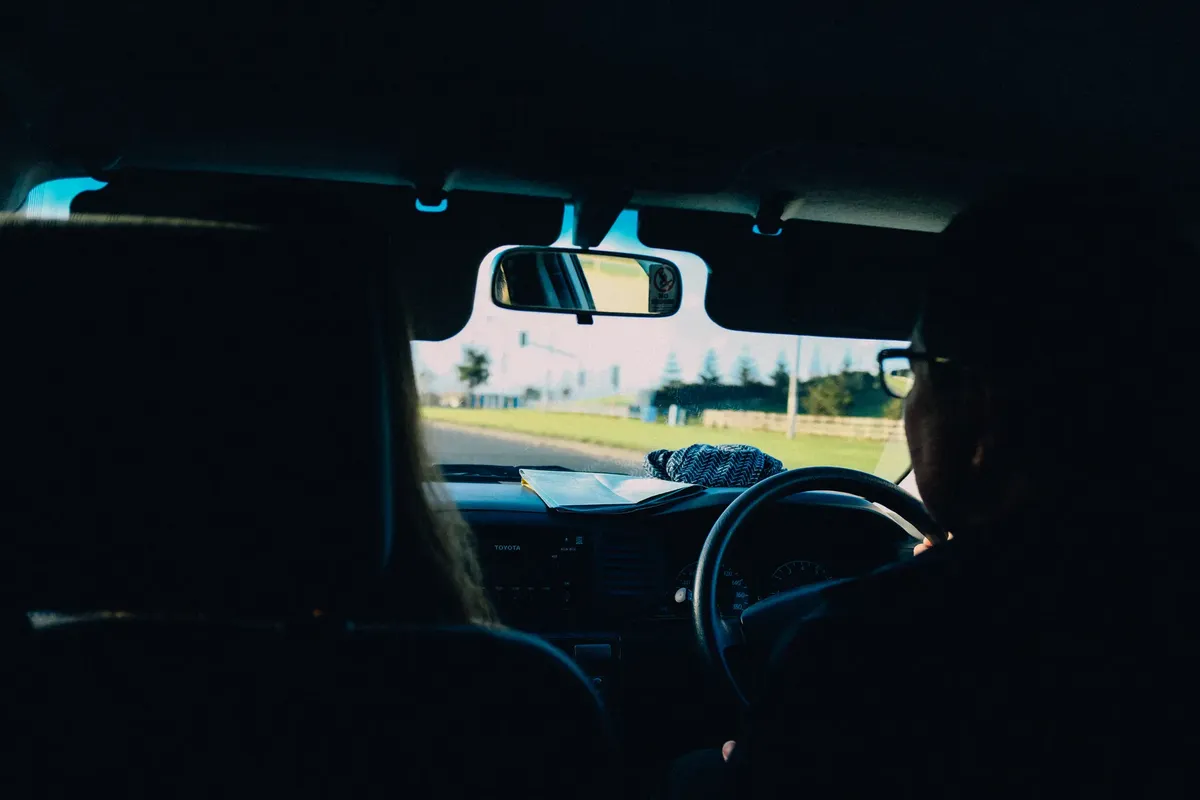
At dawn, I grip the steering wheel in the driver's seat and squint through the windshield as I begin my zealand travels.
A driver grips the steering wheel on the right side, peering through the windshield at a road where traffic flows on the left. This shift in perspective is the primary challenge when starting New Zealand campervan driving.
When you sit in the right-hand seat, your natural instinct to lean toward the center of the road can lead to lane drifting. You must consciously adjust to the fact that the passenger seat is now on the left.
Maintaining a steady position within the lane is critical to avoid collisions with oncoming traffic.
The physical layout of the vehicle changes how you interact with the road. For example, checking mirrors and blind spots requires different neck movements than in left-hand drive countries. Mastering these right hand drive tips ensures that you remain centered in your lane during long journeys.
- Sit in the driver's seat and adjust all mirrors to compensate for the new perspective.
- Practice low-speed maneuvers in a quiet parking lot to get used to the pedal placement.
- Familiarize yourself with the dashboard layout to avoid reaching for the wrong controls.
What are the essential campervan driving rules for intersections?
A vehicle approaches a junction, where the driver must decide between turning left or right while keeping an eye on the oncoming lane. Understanding campervan driving rules is vital when navigating roundabouts and T-junctions.
In a right-hand drive vehicle, crossing an intersection requires careful observation of the left-side blind spot. When turning right, you will be moving toward the center of the road, which can feel counterintuitive.
It is essential to ensure that you have cleared the intersection entirely before proceeding.
The sightlines can be tricky because the driver's position is closer to the center line. This can make it harder to see pedestrians or cyclists approaching from the left. Paying close attention to the left-side curb and side mirrors helps mitigate these visibility issues.
In this sequence, the first step is the most critical for preventing collisions.
How can I improve my motorhome driving safety on narrow roads?

As dusk falls on the winding coastal path, I grip the steering wheel tightly and feel the vibration of the engine during my zealand drive.
The vehicle moves slowly along a winding coastal route, where the passenger side sits near the edge of the road. Prioritizing motorhome driving safety means understanding how the extra width of a campervan affects your lane discipline.
Because the driver sits on the right, the left side of the vehicle—the passenger side—is much closer to the edge of the road or oncoming traffic. You must account for the vehicle's width to prevent the left wheels from leaving the pavement.
This is especially important on narrow or rural roads where the shoulder may be uneven.
When passing obstacles, the driver must judge the clearance on the left side carefully. Since you cannot see the left front corner as easily as the right, you must lean forward or use mirrors to gauge distance. This awareness prevents the passenger side from clipping trees or narrow barriers.
What are the best right hand drive warnings for travelers?
A driver pauses at a junction, mentally preparing for the sudden shift in traffic flow. Recognizing common pitfalls is part of effective right hand drive warnings for international visitors.

One of the most common errors is "the left-side drift," where drivers accidentally steer toward the curb because they are used to the driver being on the left. Another risk involves improper lane positioning during overtaking maneuvers.
You must always ensure the left lane is clear before moving to pass.
The transition from a familiar vehicle to a right-hand drive one can cause temporary disorientation. It is helpful to practice in a quiet area before heading onto busy highways. Taking time to adjust to the new seat position helps build the muscle memory needed for safe travel.
How to handle the transition to right-hand drive
Driving a large vehicle in a new environment requires a structured approach to ensure safety and confidence. To manage the change, follow these steps:
- Seat Adjustment: Sit in the driver's seat and adjust all mirrors to ensure the left-side blind spot is as visible as possible. 2. Practice Low-Speed Maneuvers: Drive through a quiet parking lot or residential street to get used to the steering response and lane positioning. 3. Intersection Drills: Practice turning left and right in controlled environments to understand how the vehicle's pivot point works from the right-hand seat.

I remember sitting in the driver's seat for the first time, feeling the strange sensation of the passenger being so close to the center line. After a few kilometers of careful adjustment, the rhythm of the road began to feel more natural.
A limitation of these tips is that they cannot account for individual reflexes or the specific dimensions of every different campervan model.
| Feature | Left-Hand Drive (Standard) | Right-Hand Drive (New Zealand) |
|---|---|---|
| Driver Position | Left Side of Vehicle | Right Side of Vehicle |
| Traffic Flow | Right Side of Road | Left Side of Road |
Related
- New Zealand campervan rental: Guide for the journey
- New Zealand campervan safety: Guide to journey success
What precautions should I take when the road stretches out ahead? When the road stretches out ahead, the driver must remain acutely aware of the vehicle's orientation relative to oncoming traffic. This awareness is heightened because the driver's natural tendency is to occupy the left side of the vehicle in familiar driving conditions. Therefore, the driver must actively counteract this tendency when operating in a right-hand drive scenario.
Maintaining a correct lane position is paramount as the vehicle approaches the junction where the decision to turn must be made. The driver must use the physical layout of the vehicle, remembering the passenger seat is on the left, to execute the maneuver safely.
This constant mental check prevents the vehicle from drifting unintentionally.
How does the vehicle's physical dimensions affect my driving? Considering the campervan's dimensions is crucial for safe passage on winding coastal routes. Since the driver is on the right, the left side of the vehicle dictates the clearance needed from oncoming obstacles. This physical reality means that the vehicle's length and width must be factored into every movement.
When the road stretches out ahead, the driver must mentally simulate the vehicle's size against the environment to prevent scrapes or misjudgments during tight maneuvers.
World Bank Based on the retained excerpt mentioning World Bank: According to World Bank data, New Zealand recorded international tourist arrivals of 996,000 in 2020.








Comments 0