NZ Travel Guide: Left-Hand Drive & Biosecurity Rules
"The road is narrow, the rules are flipped, and the border is watchful—but the view is worth every second of preparation."
If you are planning a trip to New Zealand, you aren't just booking a flight; you are preparing for a transition into a world of winding mountain passes and incredibly strict environmental protections.
To make it through your first day without a fine or a flat tire, you need to master two things: the left side of the road and the biosecurity line.
* Drive on the Left: All vehicles in New Zealand operate on the left side of the road using right-hand drive vehicles. * Biosecurity is Strict: You must declare all organic materials to protect the country's unique ecosystem. * Planning is Key: Choose the South Island for dramatic peaks or the North Island for geothermal wonders and Māori culture.

How do I drive like a local on NZ roads? The rain began to lash against the windshield of the rental SUV as we navigated a tight, winding turn near Queenstown, the wipers struggling to keep up with the sudden downpour.
I reached for the gear shifter, momentarily forgetting that the controls were on the opposite side of where I was used to sitting.
In New Zealand, you must drive on the left side of the road. For Americans, this means the driver sits on the right side of the vehicle. While the transition to a right-hand drive car is often intuitive after a few hours, the real challenge lies in the road geometry itself.
New Zealand roads are rarely straight. You will encounter steep gradients, sharp hairpins, and many "unsealed" or gravel roads, especially when heading toward remote areas like the West Coast or parts of the South Island.
If you are renting a vehicle, confirm whether you are getting an automatic or a manual transmission, as manual cars are still quite common in rental fleets.
Safety is the priority. Because of the winding nature of the terrain, visibility can change in seconds. Always remember that local drivers follow a strict etiquette regarding passing; never pull out to overtake on a blind crest or a narrow bridge.
But even if you master the steering wheel, there is another hurdle waiting at the airport that can cost you hundreds of dollars before you even leave the terminal.
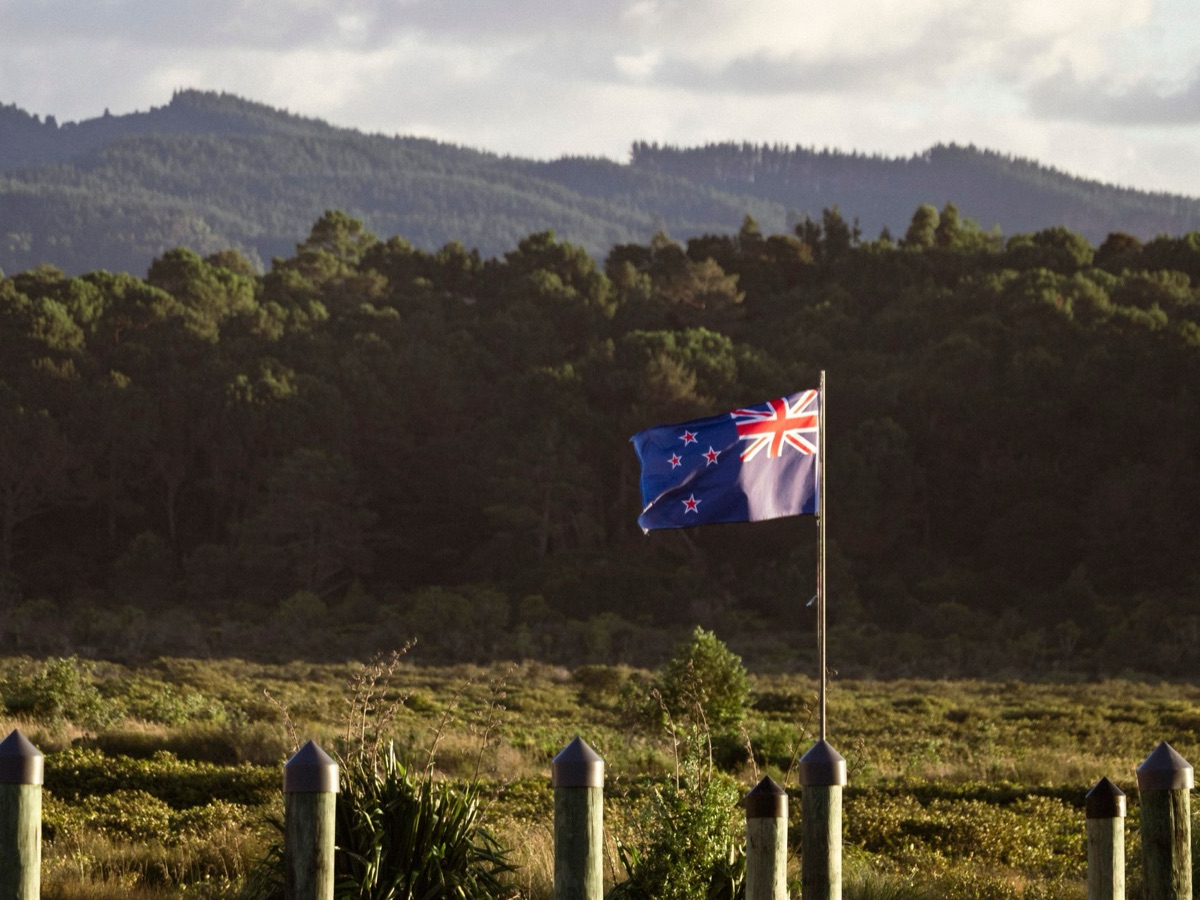
What do I need to know about biosecurity and entry? I stood at the arrivals hall in Auckland, clutching a pair of hiking boots that still had a tiny, almost invisible speck of dried mud on the tread. I felt a momentary surge of anxiety as I approached the customs officer, wondering if this little bit of dirt would trigger a massive fine.
New Zealand operates under a "clean country" ethos, meaning biosecurity is a matter of national security. The government maintains incredibly strict quarantine protocols to prevent foreign pests and diseases from entering the ecosystem.
You must declare everything. If you have hiking boots, gardening tools, camping gear, or even snacks, you must list them on your declaration form. Specifically, items containing soil, plant matter, seeds, or animal products are heavily scrutinized.
If you have a walking stick or a tent that was used in another country, ensure it is scrubbed clean of all dirt before you arrive.
Failure to declare an item that is later found by a biosecurity officer can result in immediate fines or even prosecution. It is always better to declare an item and have it confiscated than to hide it and face a penalty. When in doubt, put it on the paper.
Once you clear the border, you face your next big decision: which side of the country holds your heart?
South vs. North Island: Choosing Your Adventure Base
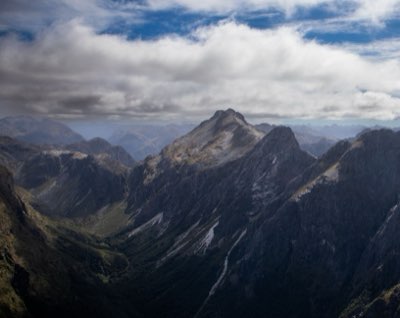
The sun rose over the snow-capped peaks of the Southern Alps, casting a golden light that made the entire valley look like a scene from a fantasy film. We sat in the campervan, coffee in hand, looking at a map that felt far too small to contain the vastness of the landscape before us.
Deciding between the North and South Islands depends entirely on your travel style. The South Island is the land of dramatic, high-altitude landscapes, including Milford Sound, Aoraki/Mt Cook, and the adventure capital of Queenstown.
It is perfect for those seeking glaciers, fjords, and rugged trekking.
The North Island offers a different kind of beauty, characterized by geothermal activity, bubbling mud pools, and a much deeper connection to Māori culture in places like Rotorua. It is generally more temperate and easier to navigate for those wanting a mix of city life and natural wonders.
To put the scale in perspective, the country is roughly 1,600km (990 mi) long. A typical itinerary often splits time between both, such as a 7-day intensive South Island loop or a 14-day comprehensive North-to-South journey.
But how do you actually organize these moving parts without losing your mind?

Beyond the Basics: Camping, Booking, and Logistics
The sound of a zipper opening in the quiet of a lakeside campground was our morning alarm, followed by the smell of damp grass and fresh air. We had spent the night in a dedicated holiday park, a far cry from the luxury hotels we had stayed in during our previous travels.
According to the World Bank, New Zealand recorded a total population of 5,324,700 in 2025.
When planning your stay, you have several distinct accommodation types to choose from:
| Accommodation Type | Best For | Key Feature |
|---|---|---|
| Holiday Parks | Campervan travelers | Dedicated sites with power,y water, and communal facilities. |
| Motels | Road trippers | Self-contained units often located near main highways. |
| Hotels/Resorts | Luxury seekers | High-end amenities in major hubs like Auckland or Queenstown. |
| Boutique Lodges | Nature lovers | Secluded, high-end stays in scenic locations. |
If you are traveling by campervan, booking "Holiday Parks" is essential. These parks provide the necessary hookups for water, electricity, and waste disposal. For those driving a standard car, motels and hotels are widely available.
Because tourism is a massive part of the local economy—contributing NZ$16.2 billion to the GDP in 2019—popular spots fill up fast.
We highly recommend booking your accommodation and major activities, such as a Milford Sound cruise or a bungy jump, well in advance, especially during the peak summer months.
To ensure a smooth transition from the airport to the open road, follow this preparation checklist:
- Pre-Flight Cleaning: Scrub all hiking boots, trekking poles, and camping gear thoroughly to remove all traces of soil.
- Document Check: Ensure your rental car booking specifies the transmission type (automatic vs. manual) and that you have a valid driver's license.
- Digital Offline Maps: Download local maps for regions like Fiordland or the West Coast, as cellular service can be non-existent in remote areas.
- Declaration Prep: Prepare a list of all organic items you are carrying to make the biosecurity process quick and transparent.
While these steps cover the logistics, they don't cover the soul of the country.
Cultural Immersion: Echoing the Spirit of Aotearoa
The rhythmic, guttural chant of the Haka began to echo through the hall, a sound so powerful it seemed to vibrate in my very chest. It wasn't just a performance; it felt like a living connection to a history that predates the modern world.
As noted by the OECD, New Zealand's healthcare allocation was about 9.6 percent of its GDP in 2023.
New Zealand is officially known as Aotearoa in Māori, and the indigenous Māori culture is woven into the fabric of the nation. From the carvings on a marae (meeting house) to the profound respect for the land, understanding Māori values is key to truly experiencing the country.
The "outdoor ethos" is another pillar of Kiwi life. Whether it is the spiritual significance of certain mountains or the way locals treat the wilderness with reverence, there is a deep-rooted respect for nature.
This is why biosecurity is so much more than just a rule—it is a way of protecting the heritage of the land.
Please note that while these tips provide a strong foundation, travel conditions can change due to seasonal weather or local road closures. Always check local government travel advisories before setting out on long drives.
Whether you are walking through the cinematic landscapes of Hobbiton or trekking through a rainforest, you are a guest in a delicate ecosystem. Respect the local customs, follow the road rules, and always declare your gear.
#

Comments 0