Queenstown Adventures: Thrills for Every Budget and Traveler
"The air in Queenstown doesn't just move; it pulls at you, inviting you to leap into the void."
If you are standing on the edge of a bridge or looking out of a plane door, you aren't just looking at a view—you are looking at a decision. Queenstown is the undisputed adventure capital of the world, but the sheer volume of choices can be paralyzing.
* Queenstown is the global epicenter for adventure sports, offering activities for every budget and tolerance level. * The range spans from controlled jumps (Bungee/Skydiving) to multi-day treks (Grade-rated hikes). * Match your desired intensity (High vs. Moderate) to the activity type for optimal experience. * Booking in advance is crucial for securing prime slots, especially during peak season.
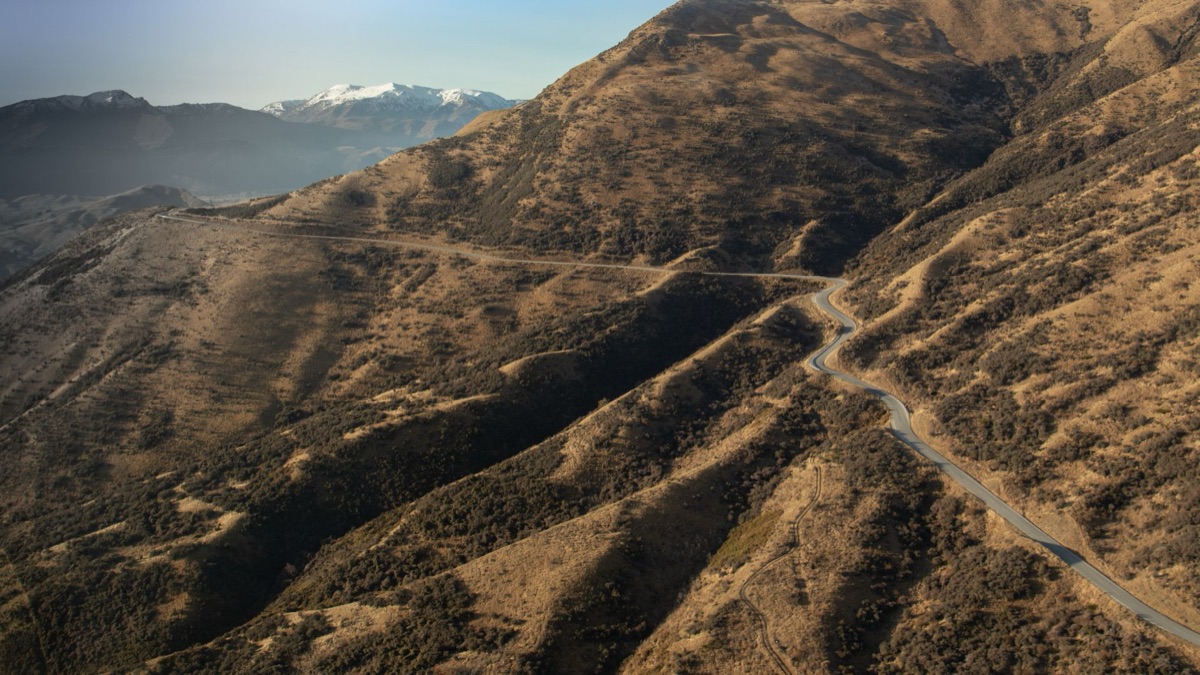
Can I handle the ultimate rush of bungee and skydiving? The wind howls through the Remarkables mountain range as you stand on a platform, your heart hammering against your ribs like a trapped bird. You look down at the Kawarau River far below, and for a second, the world goes silent.
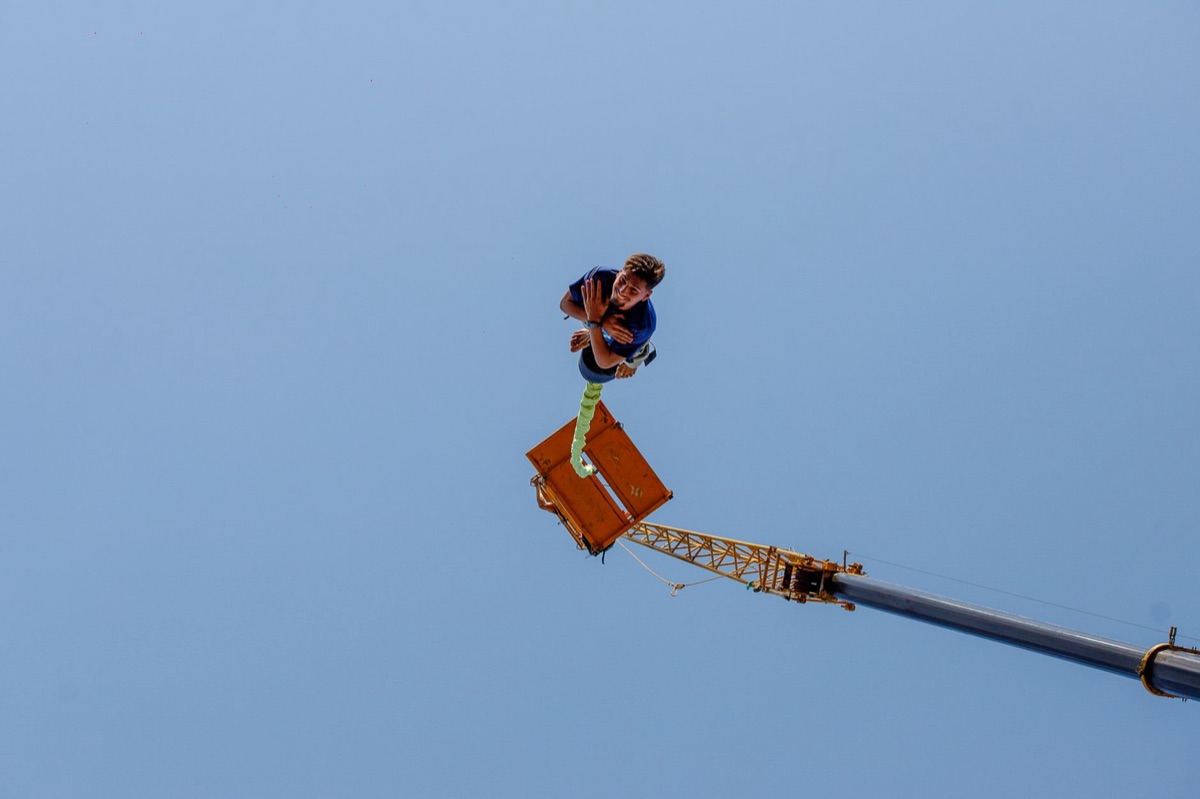
Bungee jumping in Queentown is a legendary pursuit, anchored by the Kawarau Bridge—the birthplace of commercial bungee. For those seeking a more violent rush, the Nevis Bungy offers a massive 134-meter drop that results in a terrifyingly beautiful freefall.
If you prefer a pendulum-style thrill, the Nevis Swing sends you flying through the air in a giant arc.
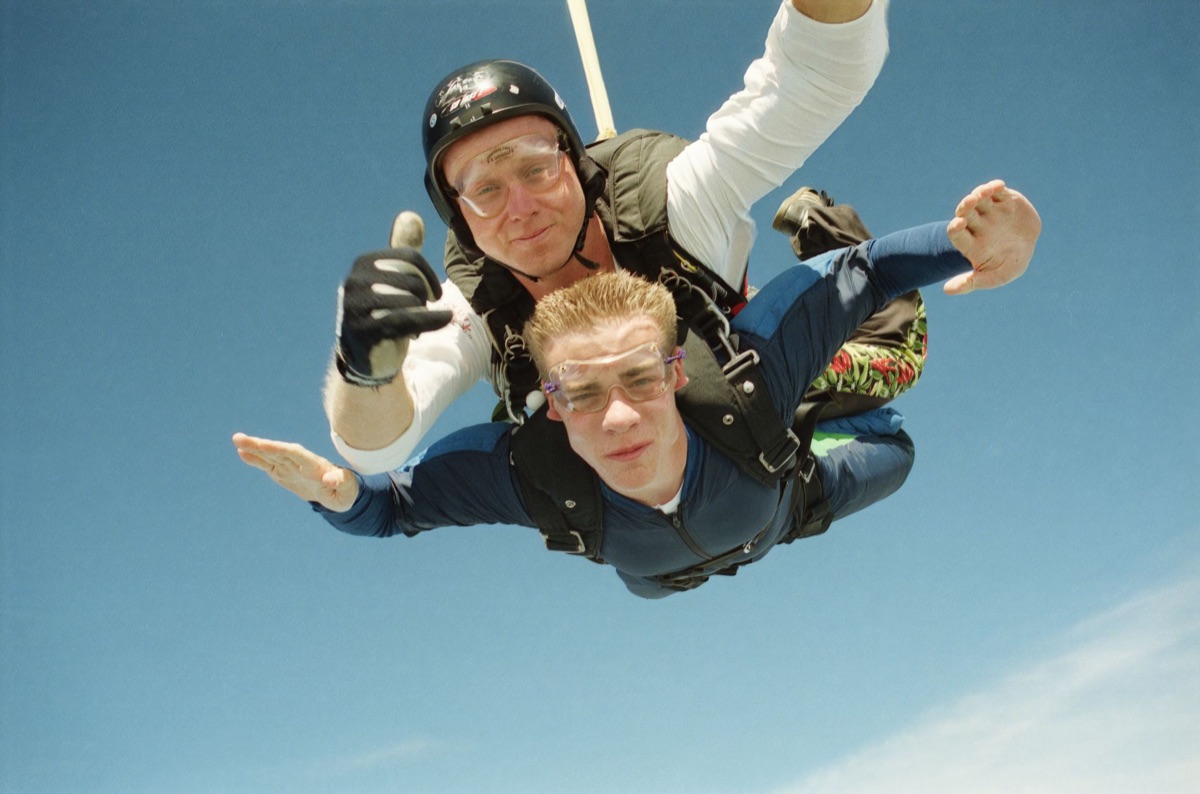
Skydiving offers a completely different sensory profile. While a bungee jump is a sudden, violent burst of adrenaline, skydiving provides a sustained period of weightlessness.
Tandem jumps usually occur at altitudes between 13,000 and 15,000 feet, offering several minutes of canopy flight to soak in the panoramic views of Lake Wakatipu after the initial freefall.
| Feature | Bungee Jumping | Skydiving |
|---|---|---|
| Intensity Type | Sudden, violent peak | Sustained, high-altitude rush |
| Duration of Rush | 3–10 seconds | 30–60 seconds of freefall |
| Physical Demand | Low (mostly mental) | Moderate (impact on landing) |
| Best For | Instant gratification | Total sensory immersion |
When deciding between the two, consider your "adrenaline profile." If you want a momentary, sharp spike of fear followed by immediate relief, go for the bungee. If you want to feel like you are truly flying through the atmosphere, skydiving is the superior choice.
Because these are high-demand activities, you should book your slots at least a week in advance during the summer months to ensure you get your preferred time of day. But what happens when the adrenaline wears off and you need a different kind of rush?
What lies beyond the plunge on the adrenaline spectrum? As the sun sinks behind the jagged peaks, you pull your jacket tighter against the sudden chill of the evening air.
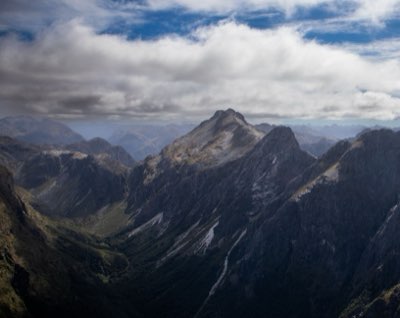
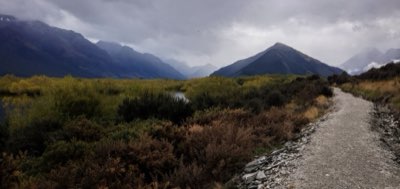
The sun begins to dip behind the mountains, casting long, jagged shadows across the trekking trails that snake up from the valley floor. You tighten your boot laces, feeling the transition from the high-octane energy of the morning to the physical grit of the afternoon.
Not all thrills require a leap of faith; some require pure physical endurance. The South Island is famous for its various trekking levels, often categorized by difficulty. While some visitors stick to easy strolls, more adventurous travelers look for grade-rated treks.
These can range from moderate day hikes to intense, steep climbs that require significant cardiovascular fitness.
Beyond the heights, you can find thrill on the water or in the canyons. Jet boating involves high-speed maneuvers through narrow river gorges, often splashing passengers with icy water. Canyoning involves rappelling down waterfalls and sliding through rock chutes.
These activities require different gear—wetsuits for water-based tasks and sturdy hiking boots for the trails—and usually involve a mandatory safety briefing to cover technical maneuvers.
A common mistake is trying to do everything at once. A smart way to sequence your trip is to schedule your highest-intensity activities, like skydiving, for your first or second day.
This allows you to use the subsequent days for "active recovery," such as a moderate-level hike or a scenic boat tour, preventing total physical burnout. However, the real challenge lies in how you balance your energy against your wallet.
Thrill vs. Trek: Comparing Activity Commitments
You sit in a local cafe in central Queentown, scrolling through your itinerary while sipping a flat white. You realize you have two very different types of days planned: one is a two-hour burst of fear, and the other is a grueling eight-hour mountain expedition.
The way you plan your budget and time depends on the "commitment level" of the activity. Short-burst thrills like bungee jumping or shotlining are perfect for travelers with limited time or those who want to fit multiple activities into a single week.
These are relatively affordable and leave you with the rest of the day to explore the town. In contrast, immersion adventures—like a full-day guided trek or a multi-day mountaineering expedition—require a massive investment of both time and energy.
These are often more expensive due to the need for professional guides, specialized equipment, and transport.
If you are traveling on a budget, you might choose one "big" expensive activity (like skydiving) and balance it with several low-cost, high-effort hikes.
| Commitment Level | Example Activity | Time Investment | Budget Impact |
|---|---|---|---|
| Short Burst | Bungee / Jet Boat | 1–3 Hours | Low to Moderate |
| Immersion through | Guided Trek / Heli-Hike | Full Day+ | High |
Logistically, remember that many of the best thrill locations are not in the town center. For example, the Nevis Bungy is located outside of Queenstown, requiring a shuttle or rental car.
Always account for travel time when booking your slots so you aren't rushing between the jump site and your next destination. But what happens once you leave the town limits and head into the wild?
Beyond the Rush: Nearby Adventures
The morning mist clings to the surface of the water as you prepare for a long drive toward the fjords. The transition from the high-octane energy of Queenstown to the quiet majesty of the wilderness is one of the most profound shifts you will experience in New Zealand.
According to World Bank, New Zealand recorded international tourist arrivals of 996,000 in 2020.
If you are traveling through the South Island, you shouldn't view Queenstown in isolation. It is often the jumping-off point for legendary locations like Milford Sound.
A common way to balance your trip is to do your extreme sports in Queentown first, then transition to the more contemplative, awe-inspiring nature of the fjords. A cruise through Milford Sound offers a sense of scale that makes even the wildest bungee jump feel small.
For those who want to stay in the mountains, there are also helicopter-based activities that take you to glaciers or remote peaks. These are high-cost but offer access to landscapes that are otherwise unreachable.
If you find yourself physically exhausted after a heavy trekking day, look for "recovery" activities like the Onset Hot Pools in Queenstown. These hot springs provide a way to soothe sore muscles while still enjoying a premium, scenic experience.
When planning these outlying trips, always book your transfers in advance. Many of the best adventure spots are hours away by road, and relying on local transport can be tricky without a pre-arranged shuttle.
This brings us to the final piece of the puzzle: how do you actually organize your itinerary?
Planning Your Perfect Thrill Run
You lay your printed itinerary on the wooden table, looking at the list of jumps, climbs, and treks. It is time to make the final calls—to decide which version of yourself you want to meet in the wild.
To make your final decision, use this checklist to match your bucket list to the right activity:
- The "Instant Rush" Seeker: If you want a momentary, heart-stopping peak, choose Bungee Jumping or the Nevis Swing.
- The "Eternal Memory" Seeker: If you want a profound sense of accomplishment and a view that stays with you forever, choose Skydiving.
- The "Physical Challenge" Seeker: If you want to test your grit and sweat, choose a Grade-rated Trek or Canyoning.
- The "Speed Demon" Seeker: If you want high-velocity movement through nature, choose Jet Boating.
A Note on Group vs. Solo Travel: If you are traveling solo, many of these activities are highly social. Group jumps or shared helicopter tours are a great way to meet fellow travelers.
If you are in a group, consider booking private transfers to make the transition between adventure sites smoother and more efficient.
#

Comments 0