NZ Motorhome Rental: Insurance, Fees, and Vehicle Matchup
"The road is wide, but the choices are narrow."
Choosing a campervan in New Zealand isn't just about picking a vehicle; it is about selecting your home, your sanctuary, and your mode of transport through some of the most rugged terrain on Earth.
The right choice ensures you wake up to a sunrise over Lake Tekapo, while the wrong one leaves you stranded on a gravel road in the Southern Alps.
* The Spectrum: You will encounter everything from tiny, budget-friendly micro-campers to massive, luxury motorhomes. * The Variables: Do not let a low base price fool you; you must weigh pricing structures against insurance gaps and vehicle age. * The Match: Your choice depends entirely on your travel style—whether you are a minimalist solo traveler or a family seeking comfort for a month-long journey.

Why Comparing Rentals is More Than Just Price Tagging
I remember standing in a rental lot in Christchurch in the late afternoon of a Tuesday in 2025, looking at two identical-looking white vans, one costing half as much as the other. According to World Bank data, New Zealand recorded international tourist arrivals of 996,000 in 2020.
The cheaper one had faded plastic trim and a whistling wind noise during the first ten minutes of driving; the more expensive one felt like a solid fortress.
That moment taught me that the "cheapest" option often carries a hidden tax of discomfort and mechanical anxiety.
When you begin your search, you aren't just looking at a daily rate. You are looking at a vehicle profile spectrum.
Some companies specialize in older, well-maintained fleets that offer incredible value for short trips, while premium providers offer brand-new, high-spec motorhomes designed for long-term living.
Insurance nuances are where most travelers stumble. A low daily rate often masks a massive "excess" amount—the amount you pay out of pocket if something goes wrong.
In New Zealand, where road conditions can vary from smooth highways to winding, narrow mountain passes, understanding your liability limit is more important than the sticker price.
Timing also plays a massive role in your comparison. In the peak of the New Zealand summer in 2026, booking months in advance is the only way to secure a reliable fleet.
Last-minute bookings might save you a few dollars today but could land you in a vehicle that is too small for your group or lacks essential amenities like a heating system.
But there is a deeper layer of cost that most people forget to calculate until they are already on the road.
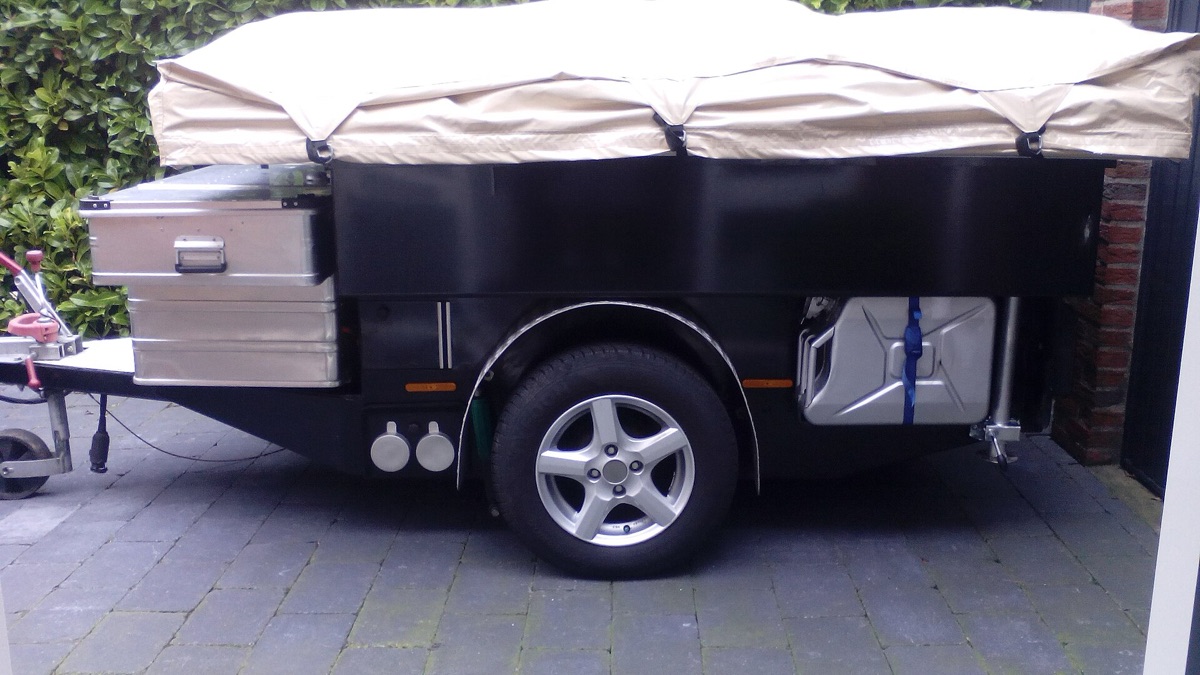
What are the real costs versus the hidden fees? At dawn in the Auckland office, a traveler's face paled as she gripped the printed contract, realizing the low base price vanished under a mountain of unexpected fees.
Walking into a rental office in Auckland at 9:00 AM, I once saw a traveler realize that her "budget" rental actually cost more than a luxury van once she added the second driver fee, the one-way drop-off fee, and the mandatory insurance upgrade.
It was a masterclass in why you cannot look at the base rate in isolation.
To understand the true cost, you must distinguish between the base rate and the all-in price. The base rate is merely the starting point. It often excludes mileage caps, which can lead to massive surcharges if you plan to drive from Auckland to Invercargill.
It also frequently leaves out one-way drop-off fees—the cost of leaving the van in a different city than where you picked it up.
Insurance tiers are the next layer of complexity. Most companies offer a basic tier that covers the vehicle but leaves you with a high excess (often $3,000 NZD or more).
Premium coverage, or "Zero Excess" insurance, can bring that cost down to nearly nothing but will significantly increase your daily rate. You must decide if you want to risk a large lump sum of cash or pay a higher daily fee for peace of mind.
| Cost Category | Budget Rental Profile | Premium Rental Profile |
|---|---|---|
| Daily Base Rate | Low ($80–$150 NZD) | High ($250–$500+ NZD) |
| Insurance Excess | High (2,000+ NZD) | Low/Zero (0–$500 NZD) |
| Included Gear | Minimal/Basic | Full Kitchen & Luxury Bedding |
| Vehicle Age | Older/High Mileage | Newer/Low Mileage |
However, even if you have the perfect budget, the physical reality of the vehicle can still derail your plans.
Is this vehicle right for my specific trip? Driving through the Haast Pass during a rainstorm in the winter of 2025, I realized that a van that looked fine in a sunny parking lot was actually quite difficult to maneuver on wet, winding roads.
The weight of a fully loaded campervan changes how it handles, making the relationship between size and terrain a critical safety factor.
Fleet age and maintenance are non-negotiable. A well-maintained older fleet is often better than a poorly maintained new one. In New Zealand, you want a vehicle that has been serviced regularly for the specific rigors of long-distance driving.
Check the service history if possible, or at least verify the tire tread and fluid levels during your inspection.
Suitability for terrain is a major consideration. Many New Zealand roads are paved, but accessing remote campsites or scenic lookouts often requires driving on unsealed or gravel roads.
Some rental agreements strictly prohibit driving on unsealed roads; if you plan to explore the more remote parts of the South Island, you must ensure your vehicle and your contract allow for it.
Always match the vehicle size to the number of passengers and the length of your itinerary.
Before you leave the lot, you must perform a pre-trip inspection. Do not skip this. Check for every single ding, scratch, and crack. Check the tire pressure, the condition of the spare tire, and the functionality of all lights.
Take photos of the vehicle from every angle in bright light so you have a timestamped record of its condition.
But once you have the keys, the real challenge begins: managing the move from the road to the campsite.
Navigating the Logistics: Booking, Driving, and Return
The booking process involves more than just clicking "reserve." You must compare cancellation policies. In a world of changing plans, a flexible cancellation policy is worth its weight in gold. Also, look closely at deposit requirements.
Some companies require a large credit card hold that can tie up your travel funds for weeks.
Driving in New Zealand requires specific awareness. You will be driving on the left side of the road (right-hand drive vehicles). The roads can be narrow, winding, and sometimes involve steep grades or gravel sections.
Always remember that your vehicle is much heavier and has a higher center of gravity than a standard car.
Finally, handle your admin early. Ensure you have a valid driver's license that meets New Zealand requirements. If your license is not in English, you will need an International Driving Permit (IDP).
Keep all your rental documents, insurance papers, and contact numbers in a single, easy-to-access folder.
Before you hit the highway, you should follow this checklist to ensure you are ready for the road.
The Pre-Departure Checklist
- Document Verification: Check that your driver's license is valid and that you have your International Driving Permit (if required) in your hand.
- Physical Inspection: Walk around the vehicle and take high-resolution photos of all four sides, the roof, and the interior to document current condition.
- ly.
- Fluid and Tire Check: Verify tire pressure is adequate for a loaded vehicle and check that all light functions (indicators, brake lights, headlights) are operational.
- Equipment Inventory: Open every cupboard and check that the kitchen kit, bedding, and emergency recovery gear (like a jack or spare tire) are present and functional.
- Fuel and Cleanliness: Note the current fuel level and the cleanliness of the interior to prevent disputes during the return process.
While this checklist covers the basics, there are certain situations where a campervan might not be the right choice.
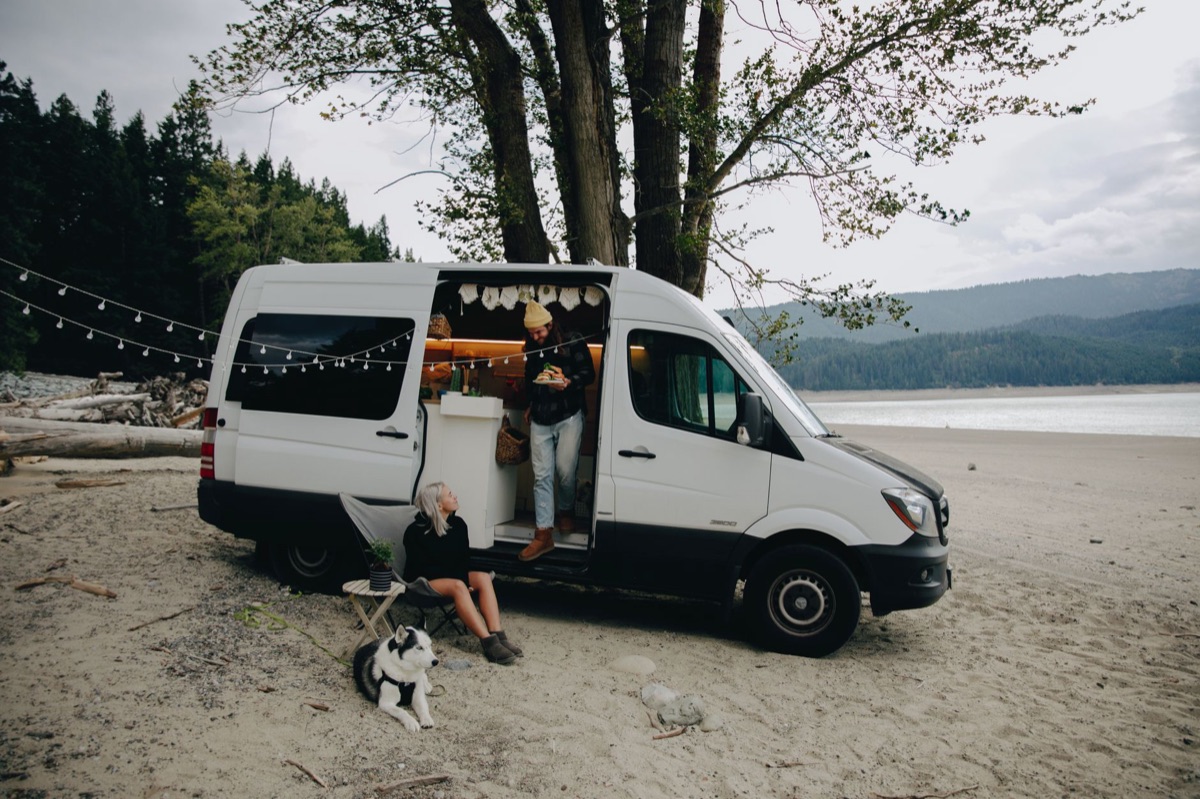
When a Campervan Might Not Be the Best Choice
Additionally, if you are traveling during extreme weather seasons or through very remote regions with limited infrastructure, the lack of heating or the difficulty of maneuvering a large vehicle can become a safety risk rather than an adventure.
Always weigh the desire for freedom against the practicalities of your specific route and group size.
Expert Verdict: Who Should Choose Which Provider?
Deciding on a provider comes down to a simple question: what is your priority? Are you looking to save money, explore the deep wilderness, or travel in absolute comfort?
New Zealand ranks highly for civic participation in the political process, with 82% voter turnout during recent general elections, compared to an OECD average of 69%.
The Budget Traveler * Profile: Solo travelers, backpackers, or those on a very tight budget. * Best Choice: Small, older campervans or converted vans from local independent operators.
* Strategy: Prioritize low daily rates and accept higher insurance excesses, but ensure the vehicle is mechanically sound.
The Explorer/Long-haul Traveler * Profile: Couples or small groups spending 2+ weeks on the road. * Best Choice: Mid-sized, reliable campervans with decent living space.
* Strategy: Look for companies that offer comprehensive kitchen kits and reliable mechanical support in remote areas.
The Luxury Seeker * Profile: Families or travelers who want a "hotel on wheels." * Best Choice: Large, modern motorhomes from premium rental agencies. * Strategy: Prioritize low insurance excess, brand-new vehicles, and high-spec amenities like heating and spacious beds.
Quick Decision Matrix
- Short Trip/Low Budget? Go for a small, late-model van with a high excess.
- Long Trip/Family? Go for a mid-to-large motorhome with comprehensive insurance.
- Remote/Off-Road? Go for a 4WD-capable vehicle and verify the road-use permissions in your contract.





Comments 0